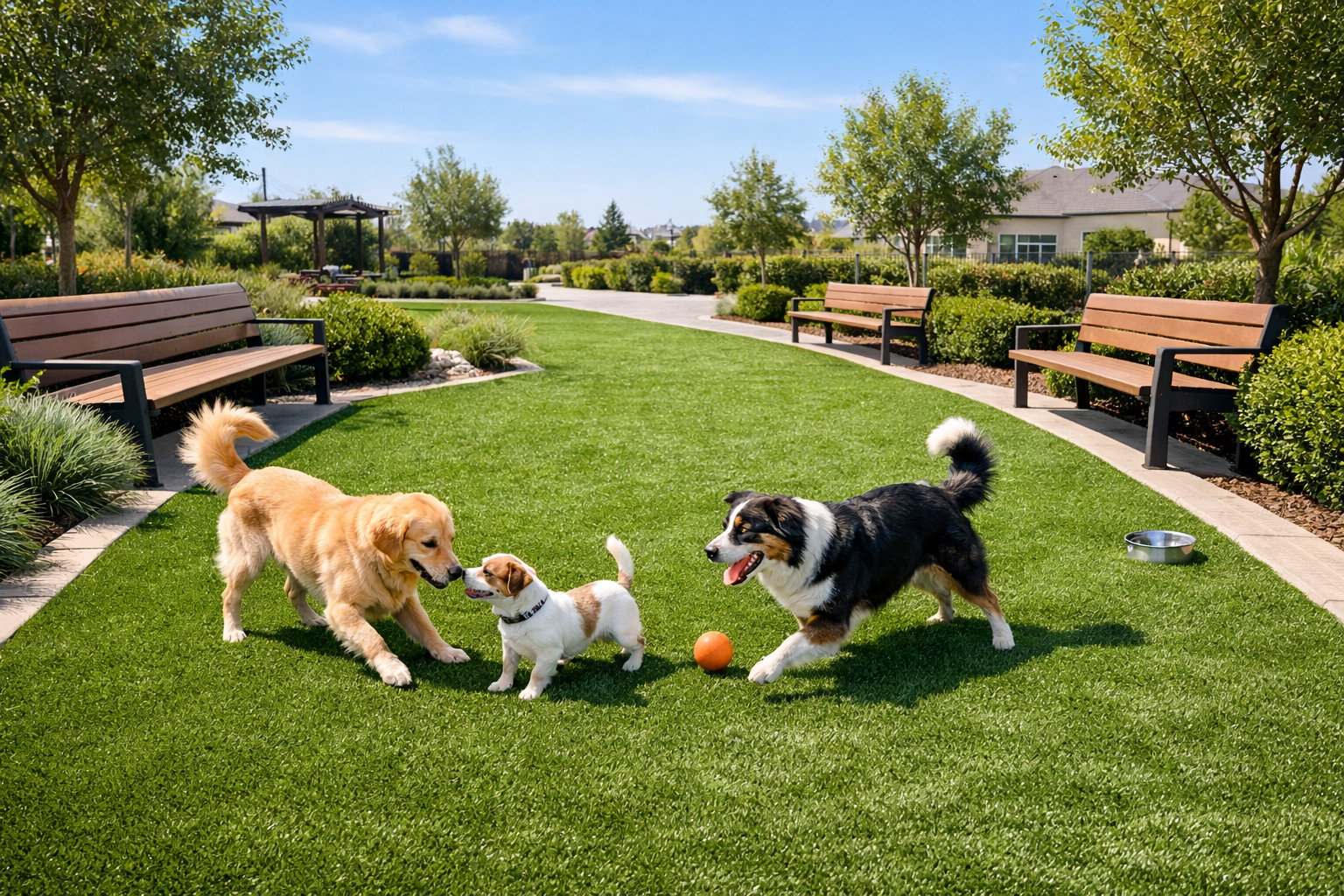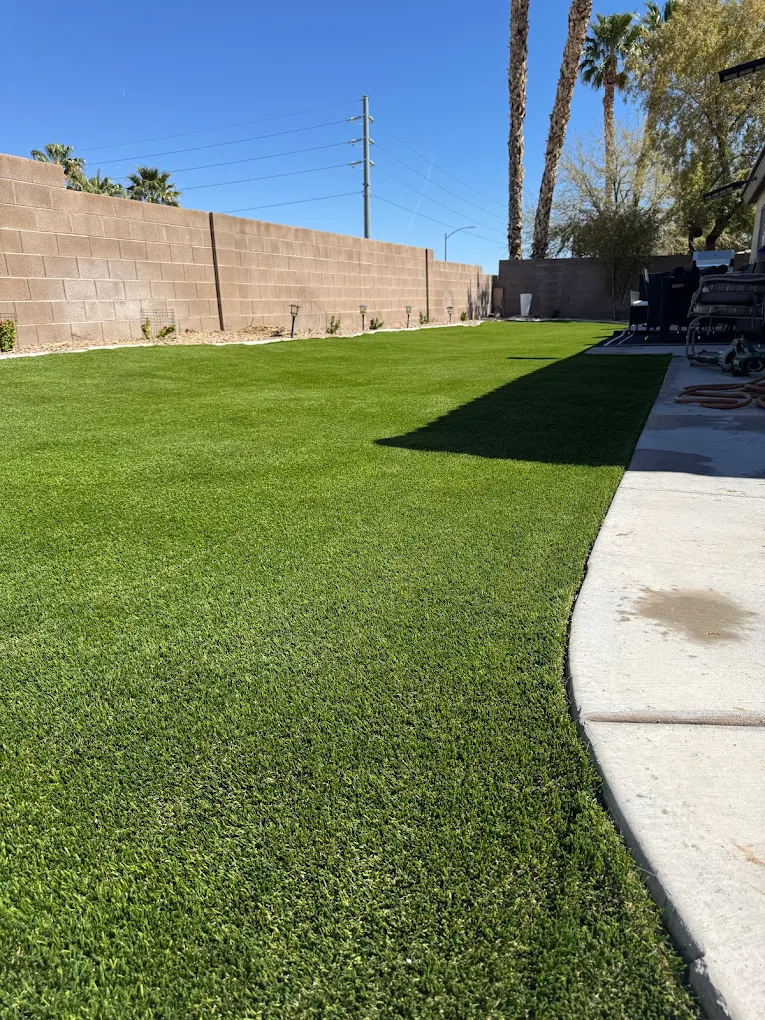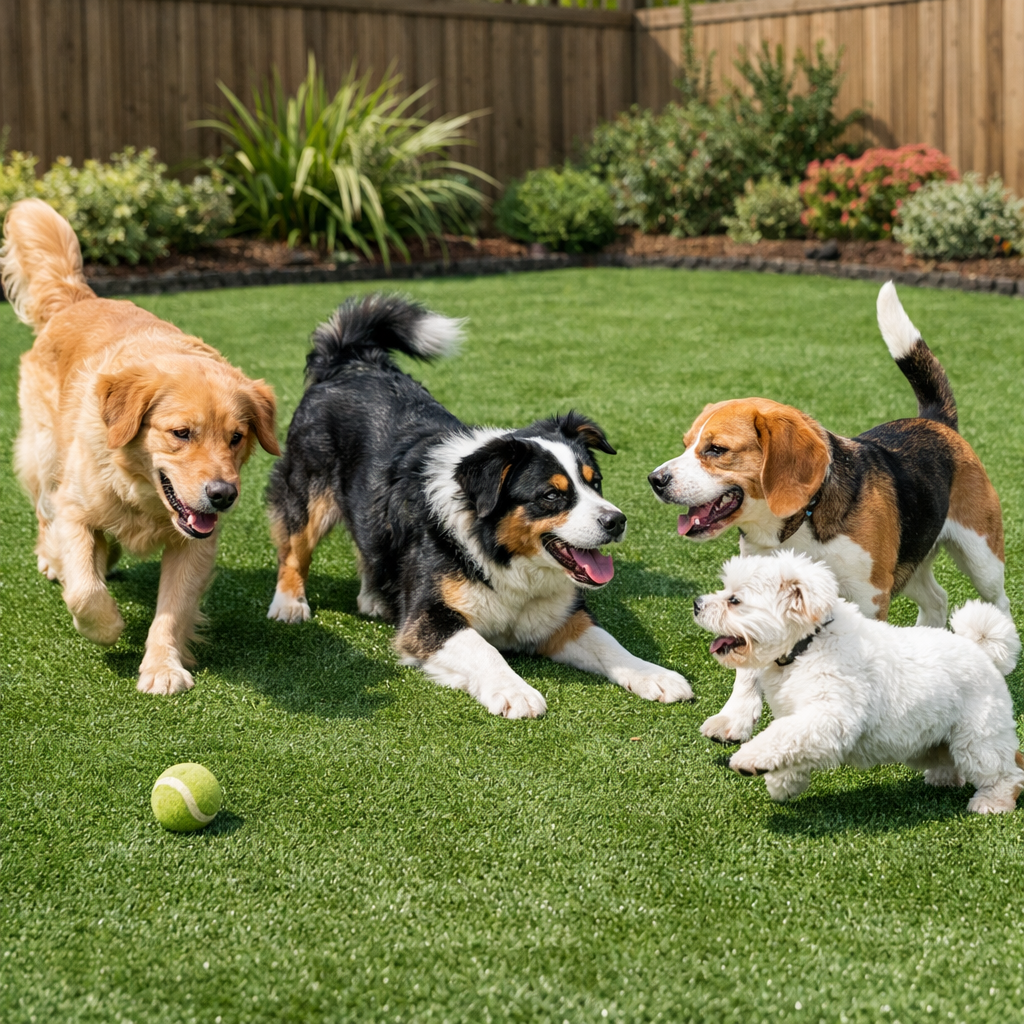
Artificial Turf and Puppy Safety: What You Need to Know
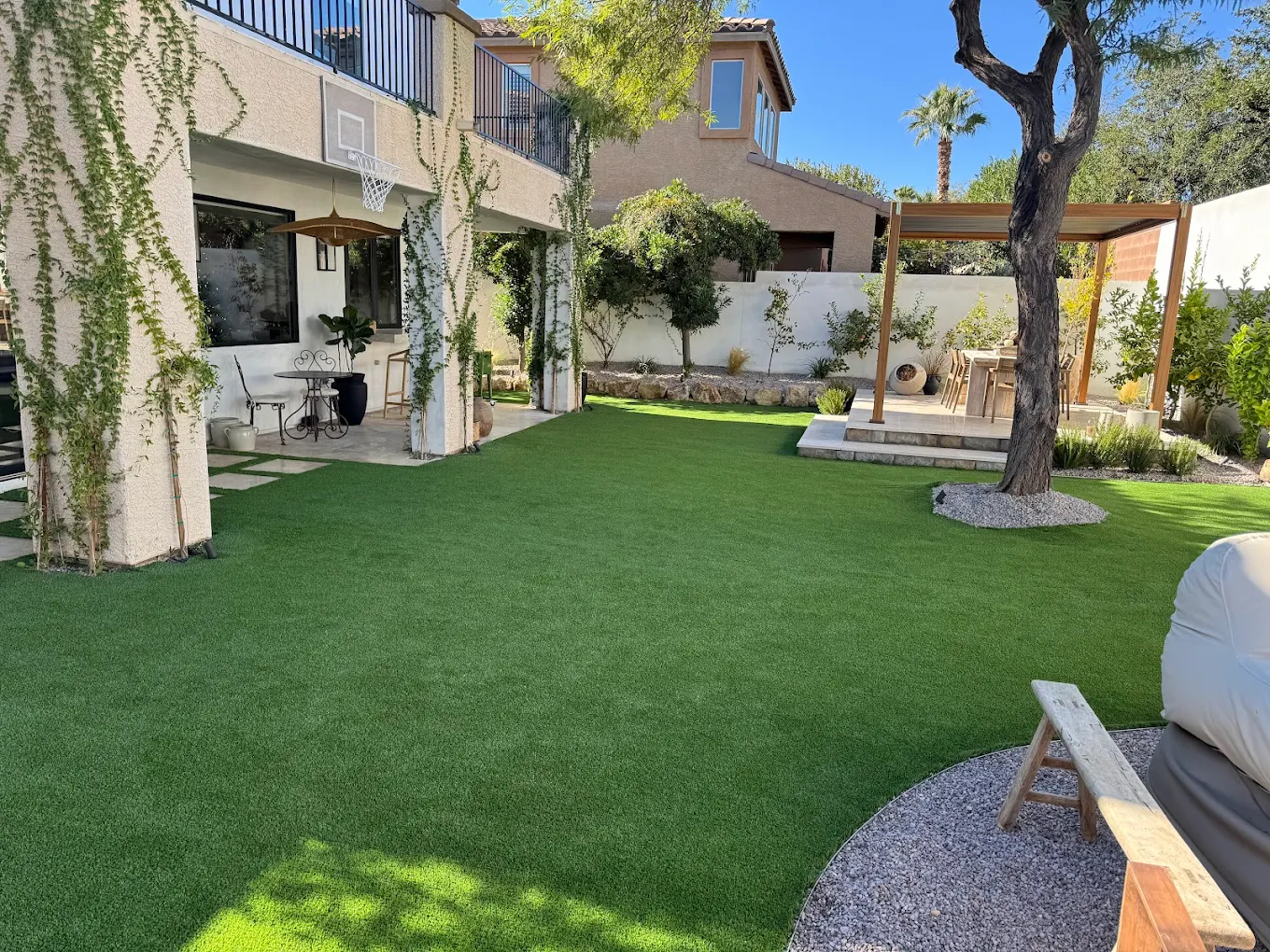
Here is the short answer. Yes, artificial turf is safe for puppies when you pick the right product and stay on top of maintenance. That said, Henderson desert climate throws in a few extra things puppy owners need to watch out for. Today pet-grade turf is made with polyethylene or polypropylene fibers that are non-toxic even if your curious pup decides to chew on them, and they will.
The big three concerns for Henderson puppies on turf are heat, cleaning product residues, and bacteria from other animals. Each one is totally manageable if you take the right steps, but letting any of them slide can mean anything from mild skin irritation to a vet visit. Vets across Summerlin and Henderson say heat-related paw pad burns are by far the most common summer complaint they hear from new puppy owners.
The upside is that with good product choices and regular care, artificial turf can actually be healthier for your puppy than natural grass out here in the desert. Think about it. Real grass in Henderson needs pesticides, fertilizers, and tons of water, all of which create their own chemical exposure risks. Plus, the soil underneath irrigated desert landscaping is a hotspot for parasites and bacteria. Good artificial turf maintenance keeps Henderson puppies safe and healthy.
Heat Safety: The Biggest Risk for Henderson Puppies
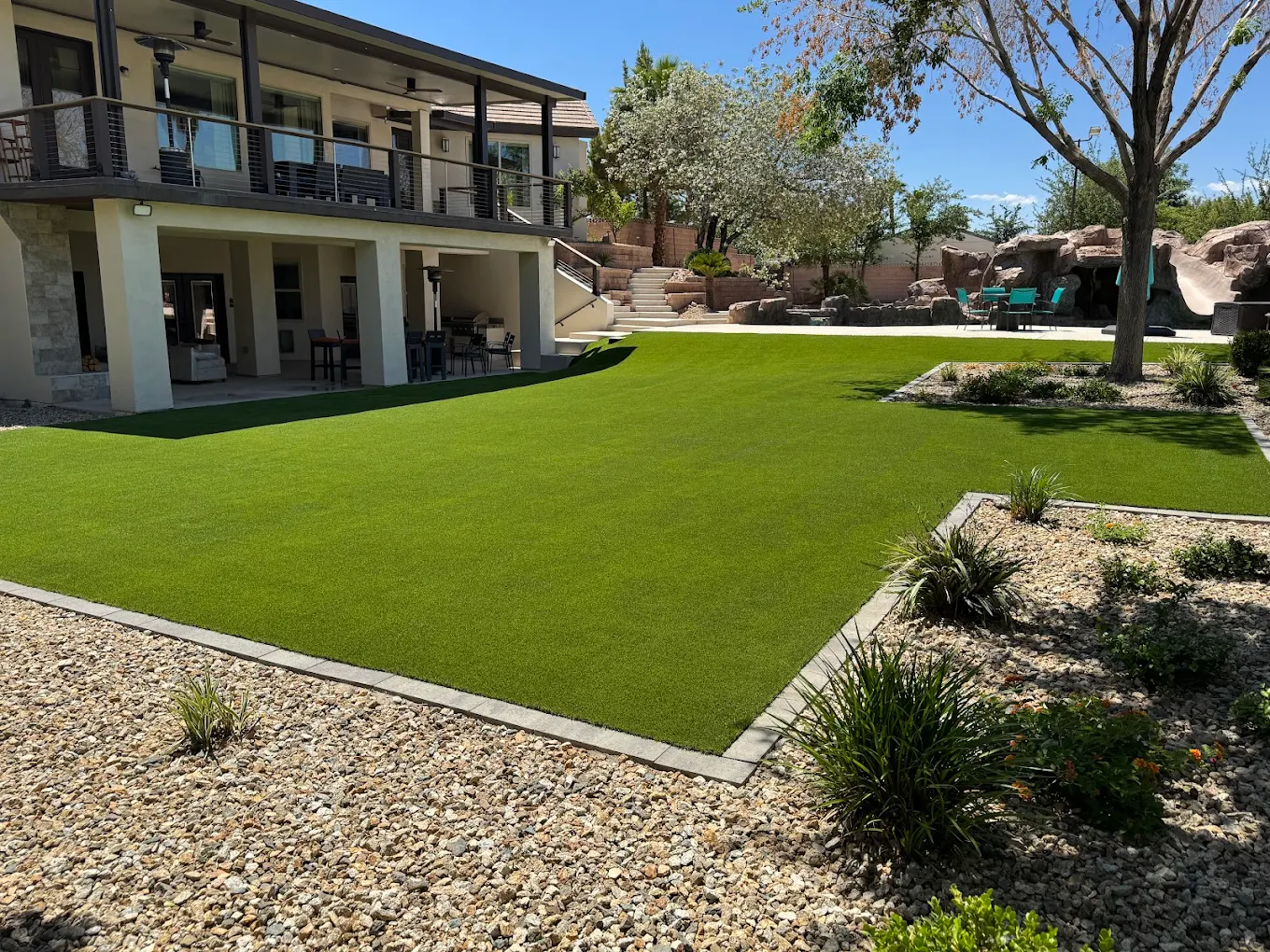
Here is the deal. The number one risk is heat. Puppy paw pads are way thinner and more sensitive than adult dog pads, so they burn more easily on hot surfaces. During Henderson summer afternoons, artificial turf in direct sunlight can hit 150 to 170 degrees Fahrenheit. At those temps, a puppy can get second-degree burns in under 30 seconds flat.
The easiest way to check is the hand test. Press the back of your hand flat on the turf for seven seconds. If you cannot keep it there comfortably, it is too hot for your pup. From late spring through early fall in Enterprise, Southern Highlands, and the rest of the valley, unshaded turf will probably fail this test from 9 AM to 6 PM.
Making your yard puppy-safe in the heat means adding solid shade over the areas your puppy uses most, setting up misting systems or sprinklers on a timer, and keeping all outdoor time to early morning or evening. This is not optional in Henderson. It is the bare minimum for keeping those little paws safe.
Always test the turf surface before letting your puppy out during Henderson sunny months. Those tiny paw pads can get seriously burned in seconds on superheated turf.
Chemical Safety and Turf Materials
Reputable turf manufacturers build their products to meet safety standards for kids and pets. But not all turf is the same. Some cheaper imports skip proper certification and may have chemicals you do not want near your puppy. When shopping for turf where puppies will play, look for products that are certified lead-free, phthalate-free, and tested for VOC emissions.
Pay extra attention to the infill, because puppies are way more likely than adult dogs to dig in it, mouth it, and swallow it. Crumb rubber infill from recycled tires has been debated for years and is best avoided for puppy zones. Silica sand, zeolite, and Envirofill are all safer picks. Lots of Spring Valley and Paradise pet owners specifically ask for non-rubber infill when getting turf installed for their puppy areas.
Any cleaning products on puppy areas need to be verified pet-safe. Why? Because puppies groom their paws constantly and will ingest whatever is on the surface. Enzyme cleaners are the safest bet since they rely on biological processes instead of harsh chemicals. If you use anything else, give the turf a thorough rinse with plain water before letting your puppy back out.
Want Us to Handle It Instead?
Get a free quote for your Henderson property. Same-day appointments available.
Keeping Turf Hygienic for Puppies
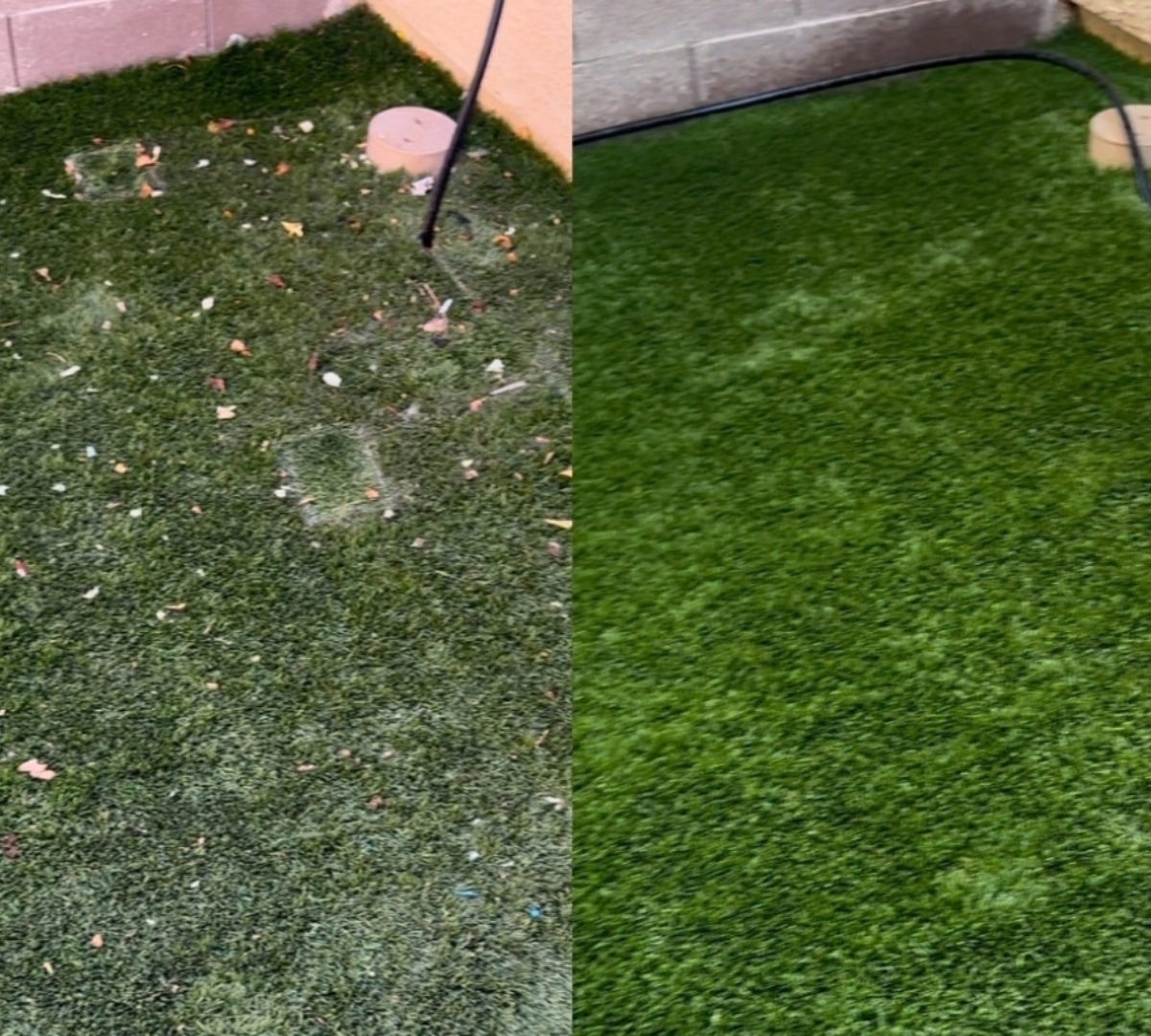
Puppies are still building their immune systems, which makes them more prone to bacterial infections than adult dogs. Keeping your turf extra clean is critical during that first year while your pup is getting vaccinated and developing natural resistance. The warm, damp environment inside turf infill is a playground for bacteria, especially during Henderson summer when the heat cranks up microbial activity.
If your puppy has not finished their vaccinations yet, keep them on your own turf and skip communal areas and dog parks. Parvo and other serious puppy diseases can survive on outdoor surfaces for months, and turf infill can hold onto these pathogens. Centennial Hills and North Henderson puppy owners should check with their vet about vaccination status before letting their pup near any shared turf.
At home, set up a cleaning routine that includes daily rinsing of your puppy main areas, weekly enzyme cleaning, and monthly deep sanitization. This stepped-up schedule during the first year gives your puppy immune system room to develop safely. Once they are fully vaccinated and past the one-year mark, you can dial it back to a standard maintenance schedule.
- Give your puppy turf area a daily rinse with fresh water
- Use a pet-safe enzyme cleaner weekly on the spots they use most
- Avoid communal turf areas until vaccinations are complete
- Book a professional sanitization monthly during the first year
- Wipe down your puppy paws after playing outside on warm days
Puppy-Proofing Your Turf Installation
Puppies are born explorers and chewers, so your turf needs to be locked down against curious mouths and digging paws. Make sure every edge is firmly anchored with landscape staples and that there are no loose corners or seams within reach. Trust us, puppies will find any weak spot and make it worse, potentially pulling up turf or swallowing bits of backing material.
Take a close look at your border treatments too. Exposed turf edges along walls, garden beds, or hardscape should be tucked under mow strips or held down with landscape rock. Green Valley and Boulder City puppy owners have found that lining turf edges with river rock or decomposed granite does a much better job of discouraging investigation than leaving edges exposed with just staples.
Try a pet-safe bitter spray along turf edges and seams during the puppy stage. The taste puts them off chewing, and the spray is completely harmless if swallowed.
Benefits of Artificial Turf Over Natural Grass for Puppies
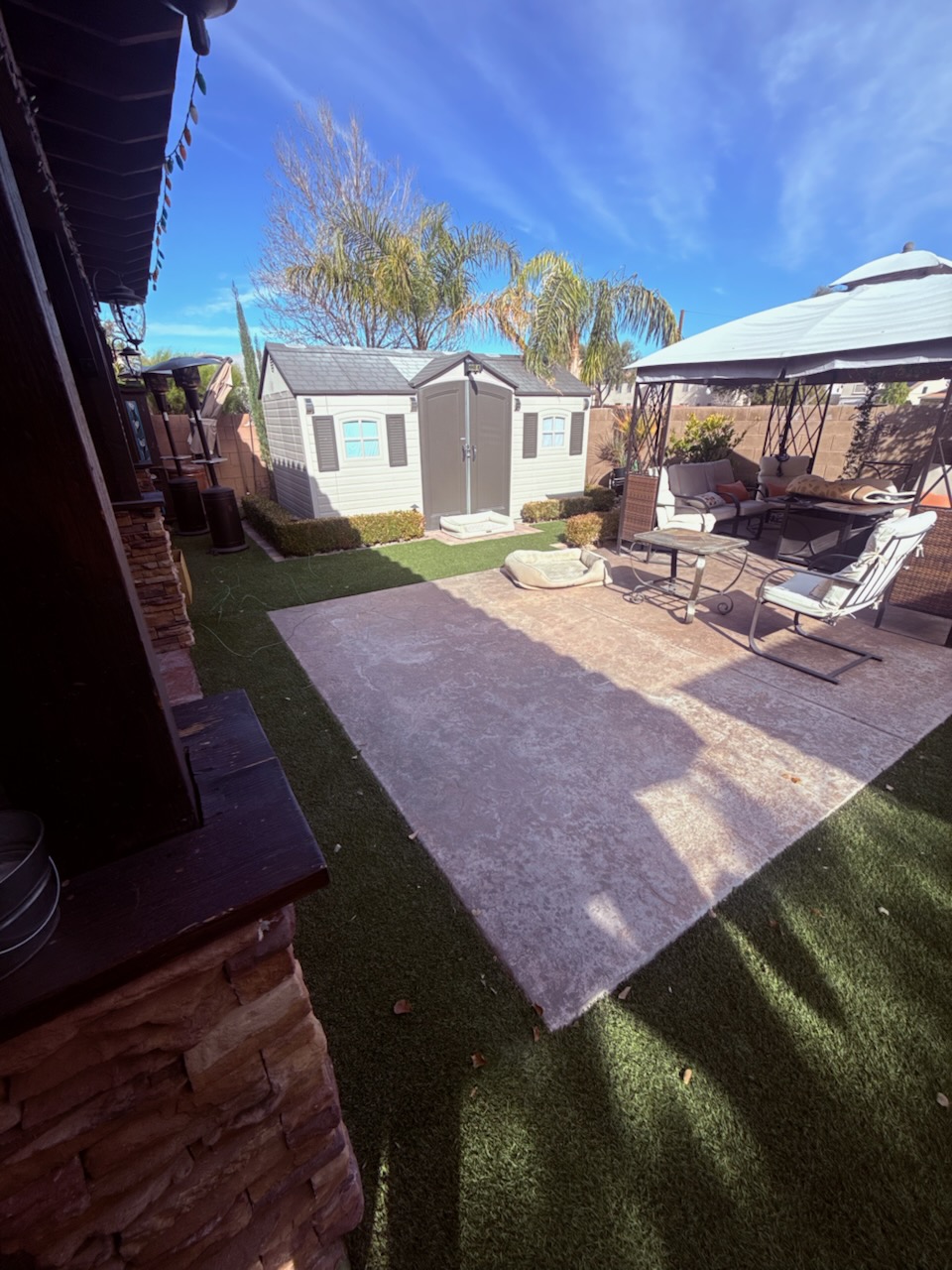
Even with the precautions we have covered, artificial turf actually has some real safety advantages over natural grass for Henderson puppies. Desert grass lawns need regular doses of fertilizers, herbicides, and pesticides, all far more toxic than anything in quality turf. And puppies roll in grass, chew on it, and eat it, getting a mouthful of those chemicals every time.
Natural grass in Henderson also demands heavy irrigation, which creates standing water and soggy soil that becomes a breeding ground for parasites, fungi, and bacteria. Those muddy post-watering conditions are especially risky for hookworms and other parasites that hit puppies harder than adult dogs. Artificial turf with proper drainage eliminates standing water completely.
The flat, even surface of artificial turf also means fewer leg and joint injuries for growing puppies. Natural grass yards in Henderson tend to develop uneven spots, irrigation-related holes, and hard compacted patches that can trip up an active young dog still figuring out their coordination.