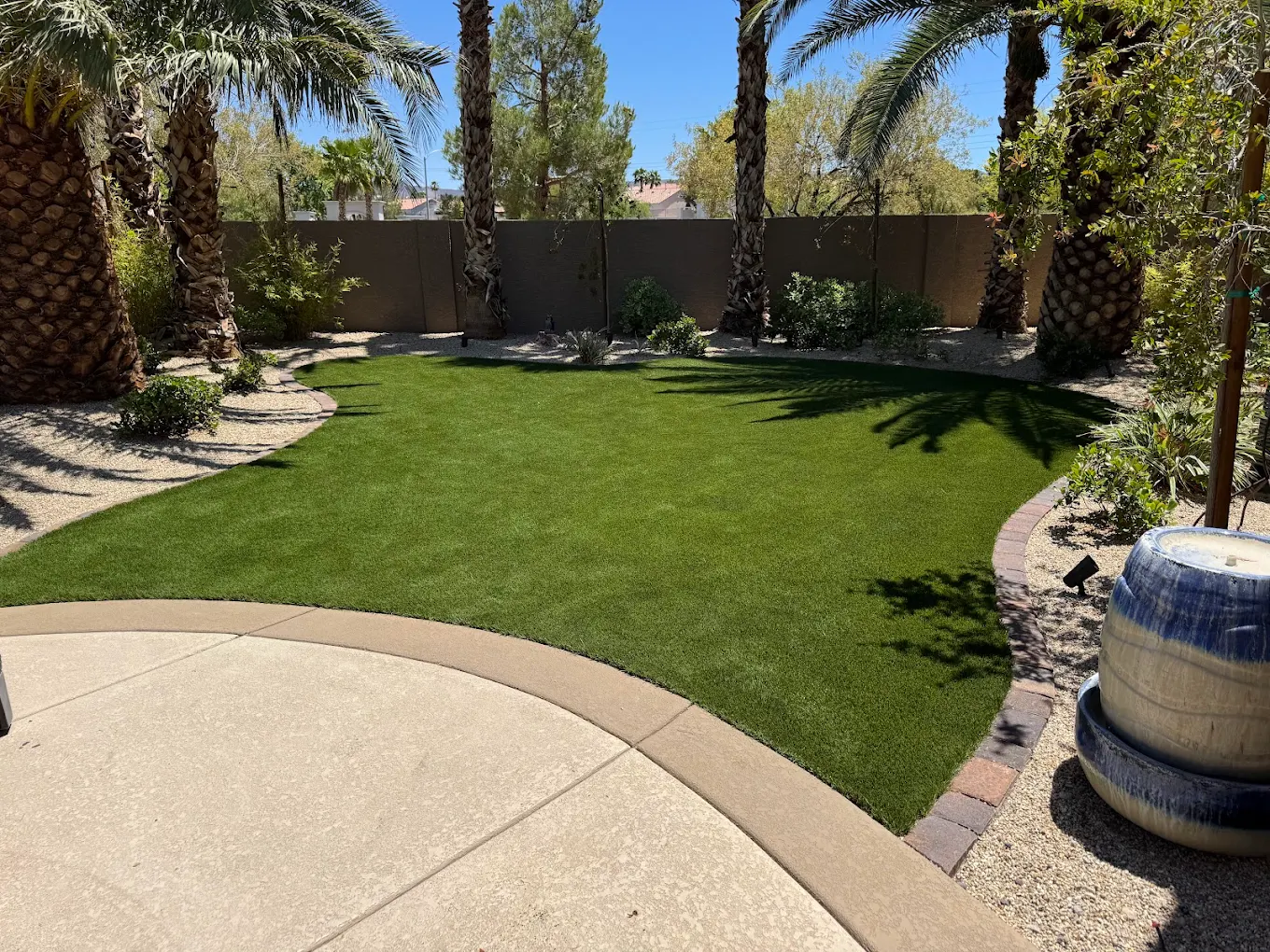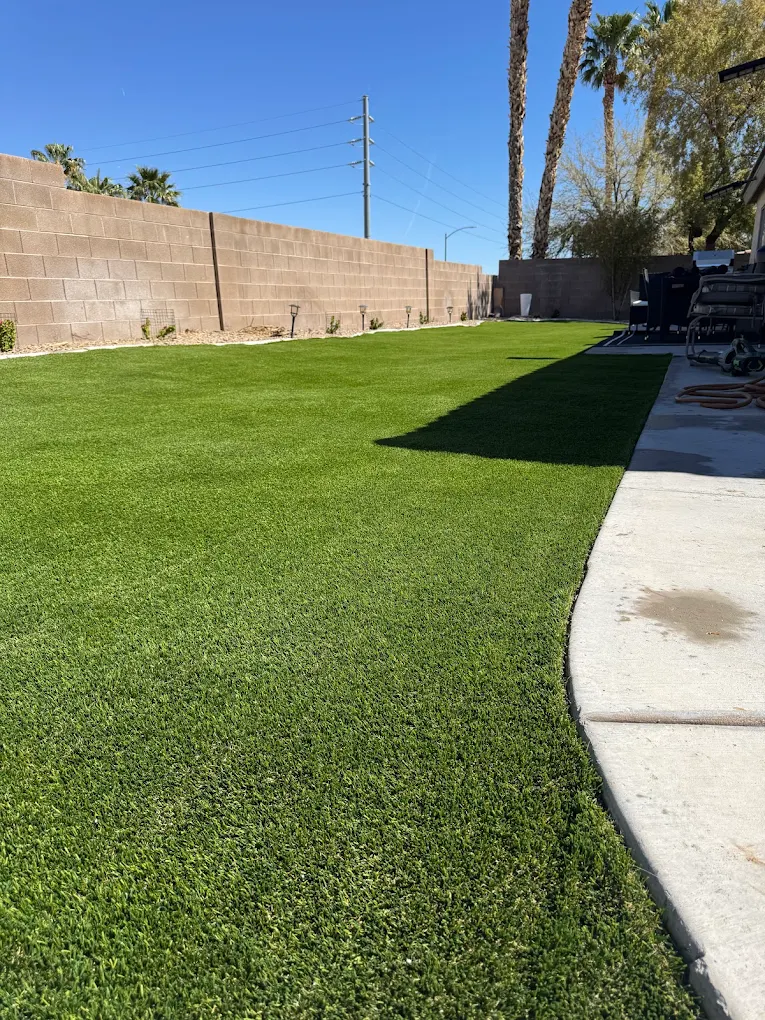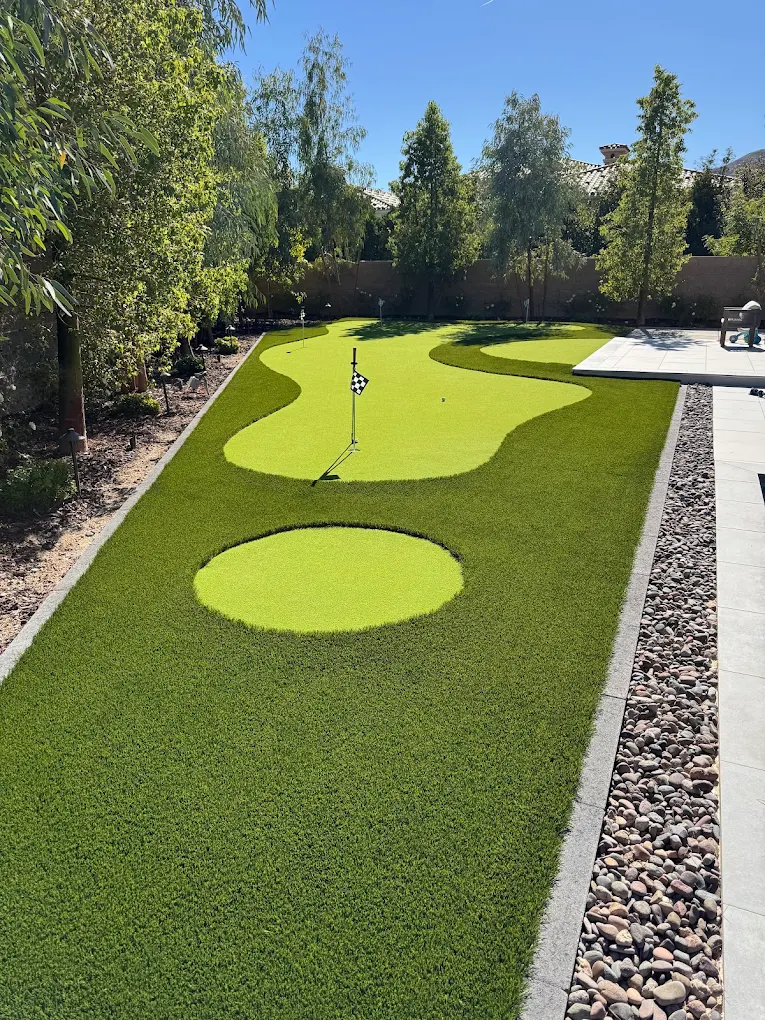
Why Spring Is the Best Time for Turf Maintenance
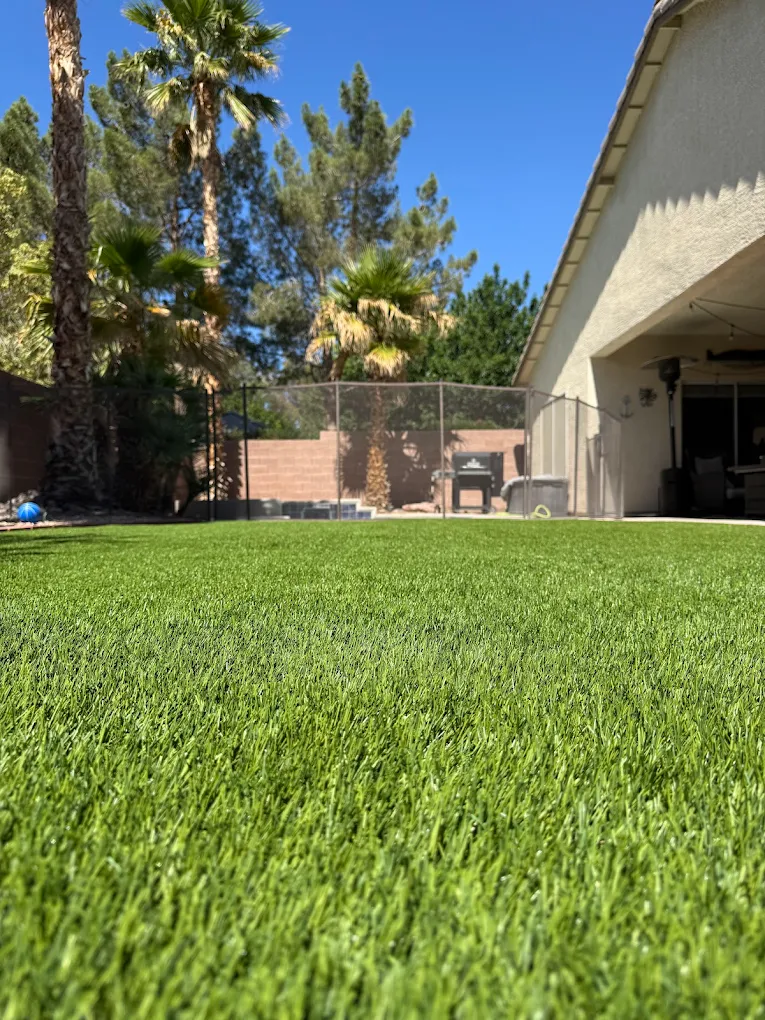
Spring in Henderson occupies a perfect maintenance window between the cool, wet winter months and the punishing summer heat. Temperatures from March through early May hover in the comfortable 70s and 80s, making outdoor work pleasant and allowing cleaning products to function effectively on turf surfaces. This is your opportunity to address everything that accumulated during winter, including organic debris from the cooler months when decomposition slows, mineral deposits from hard water used during winter irrigation, and damage from wind events that peak in March and April.
A thorough spring cleaning also prepares your turf for its heaviest use period. Henderson backyards in Summerlin, Henderson, Paradise, and across the valley see way more activity from April through October as families move their living outdoors. Starting the season with a clean, well-maintained turf surface means you are building on a solid foundation rather than fighting against accumulated winter neglect. Every issue addressed now is one that will not compound under summer heat and heavy foot traffic.
Think of spring cleaning as an annual reset for your turf investment. Time to assess overall condition, make repairs before heat makes them more difficult, replenish infill that winter winds have eroded, and set up a maintenance schedule that carries you through the busy season. The few hours you invest now save way more time and money in reactive maintenance throughout the rest of the year.
Phase 1: Complete Debris Removal and Inspection
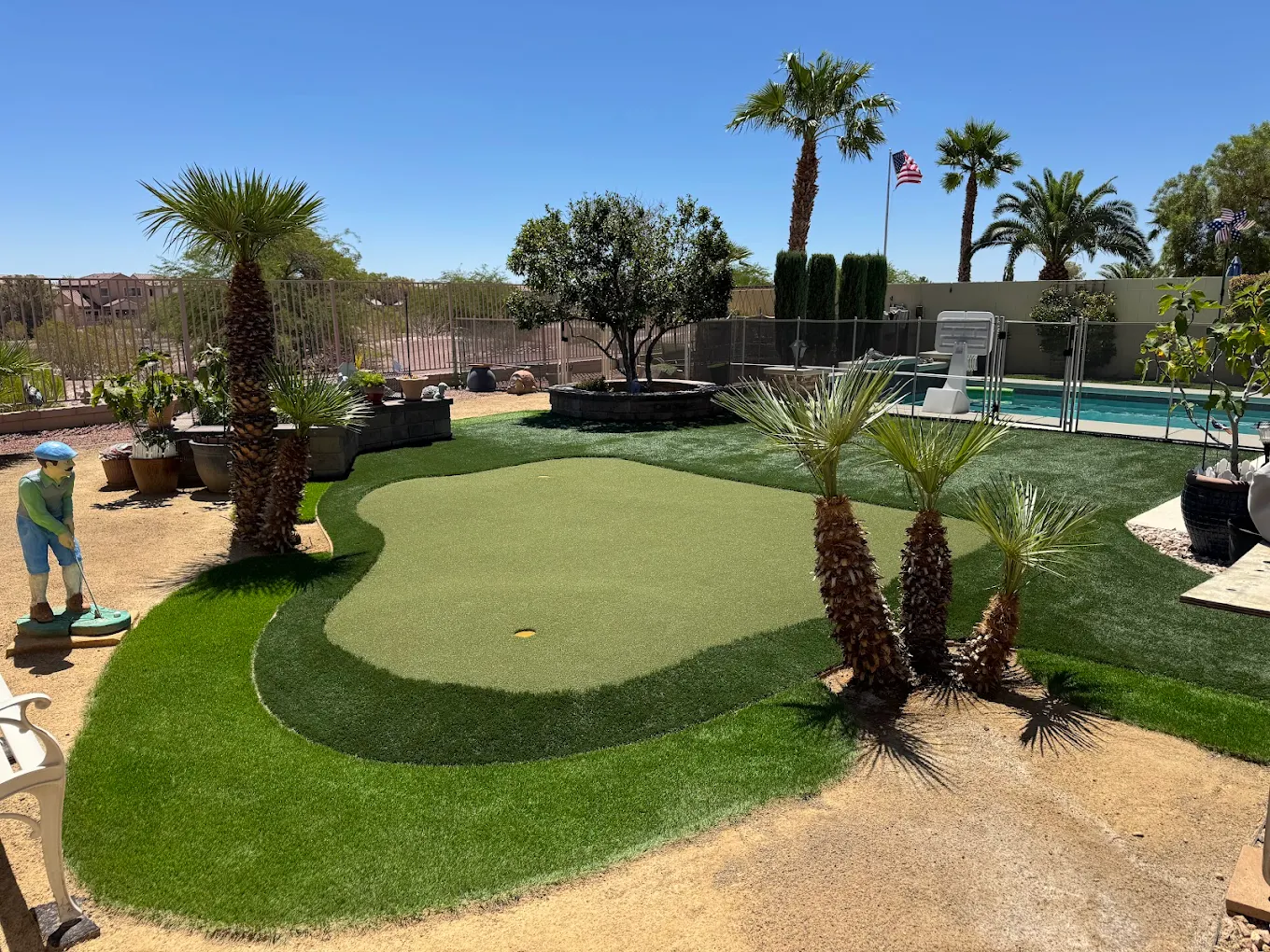
Begin your spring cleaning by removing every piece of debris from the turf surface. Use a leaf blower to clear the entire area of leaves, twigs, sand accumulation, and any other material that has settled over the winter months. Pay particular attention to corners, edges along fences and walls, and areas beneath landscape features where debris collects and compacts. After blowing, walk the entire surface slowly and pick up any remaining items that the blower missed, including small rocks, pet waste remnants, and any foreign objects that may have blown in during desert windstorms.
With the surface clear, conduct a thorough visual inspection of every section of your turf. Check for stains, discoloration, damaged fibers, separating seams, lifting edges, and any areas where the turf surface appears uneven or has developed wrinkles. Note each issue you find so you can address them systematically rather than haphazardly. This inspection is your annual opportunity to catch problems early, before months of summer heat and heavy use turn minor issues into major repairs needed across Green Valley, Enterprise, or wherever you are in the valley.
- Blow entire turf area clear of leaves, twigs, and loose debris
- Hand-pick any remaining items the blower missed
- Inspect for stains, discoloration, and fiber damage throughout
- Check all seams for separation, lifting, or weakness
- Examine edges and borders for shifting, lifting, or weed growth
- Note all issues found for systematic repair
Phase 2: Deep Cleaning and Stain Treatment
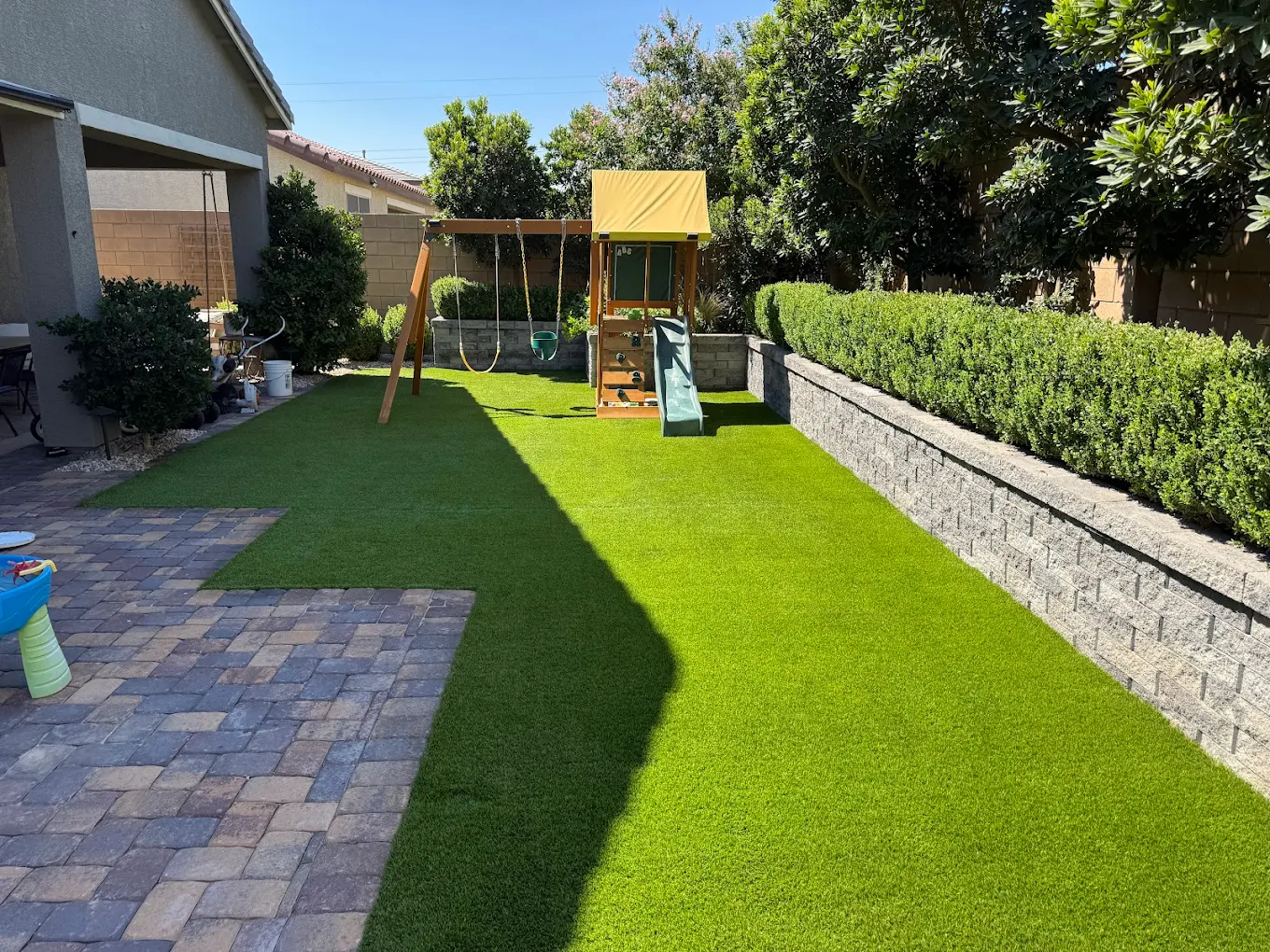
After debris removal and inspection, treat individual stains and problem areas before performing a general cleaning of the entire surface. Address each stain with the appropriate method: vinegar solution for mineral deposits, enzymatic cleaner for organic stains, dish soap for grease marks, and rubbing alcohol for sticky residue. Allow treatments to dwell for the recommended time before scrubbing and rinsing. This targeted approach is more effective than trying to clean everything at once with a single solution.
Once spot treatments are complete, rinse the entire turf surface with clean water using a garden hose with a strong fan spray. Work systematically from one end to the other, directing water flow toward natural drainage points. For turf that has not been professionally cleaned in over a year, consider a gentle power wash at 1,000 to 1,200 PSI to flush deep contamination from the infill layer. This comprehensive rinse removes accumulated dust from spring wind season and leaves your turf genuinely clean, not just surface-level presentable.
Create a spring cleaning playlist or podcast queue before you start. The deep cleaning phase takes one to two hours for an average Henderson backyard, and having something to listen to makes the time pass quickly and helps you maintain a thorough, methodical pace.
Want Us to Handle It Instead?
Get a free quote for your Henderson property. Same-day appointments available.
Phase 3: Infill Assessment and Fiber Grooming
With the turf clean and dry, assess infill levels across the entire installation. Part the fibers at a minimum of eight to ten locations, including high-traffic walkways, shaded areas, exposed edges, and the center of open sections. Measure the depth from the backing to the infill surface and compare to the optimal range for your turf type. Henderson winter winds, particularly the strong gusts that sweep through Centennial Hills and North Henderson from January through April, can erode serious amounts of infill from exposed areas.
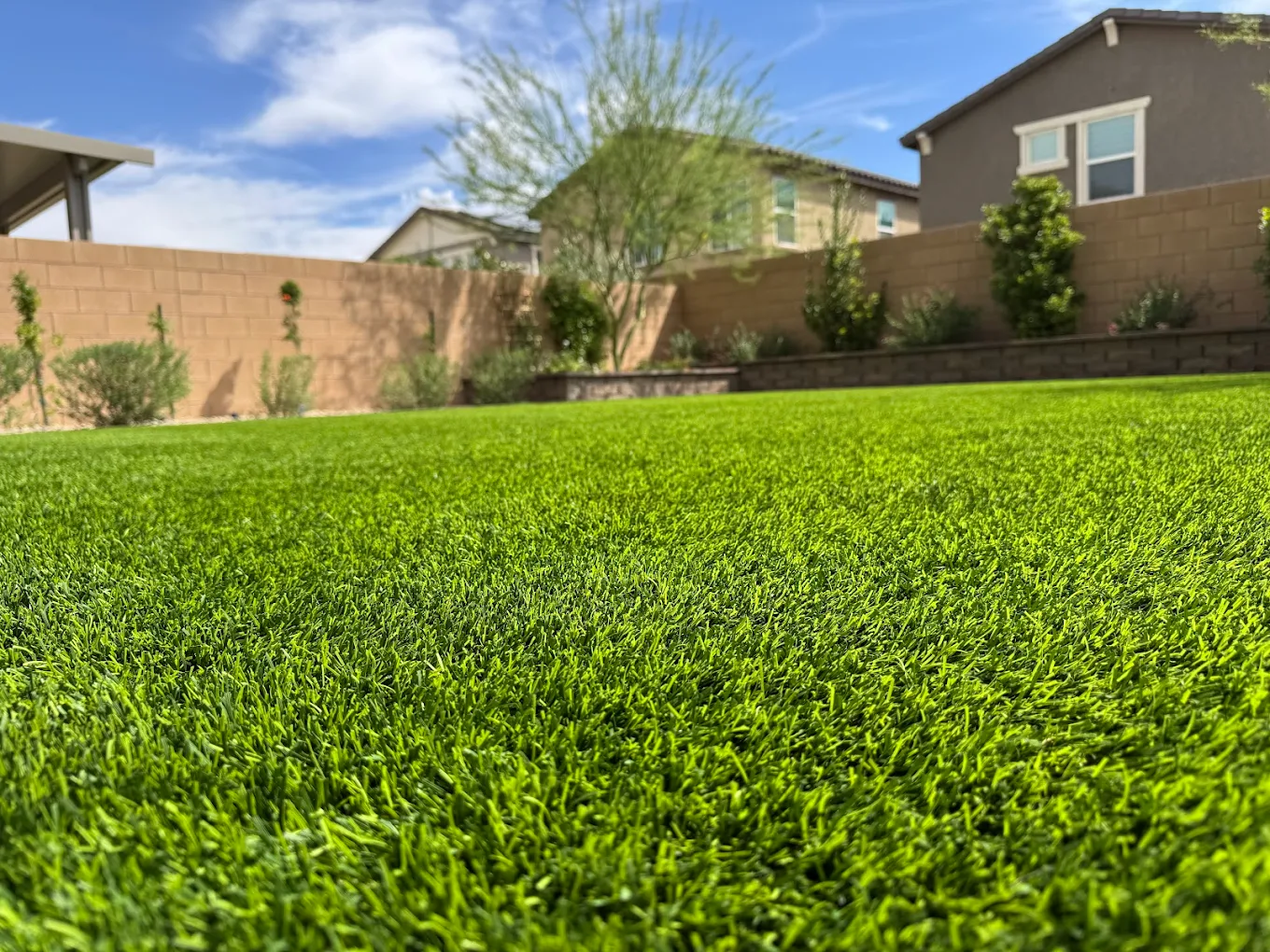
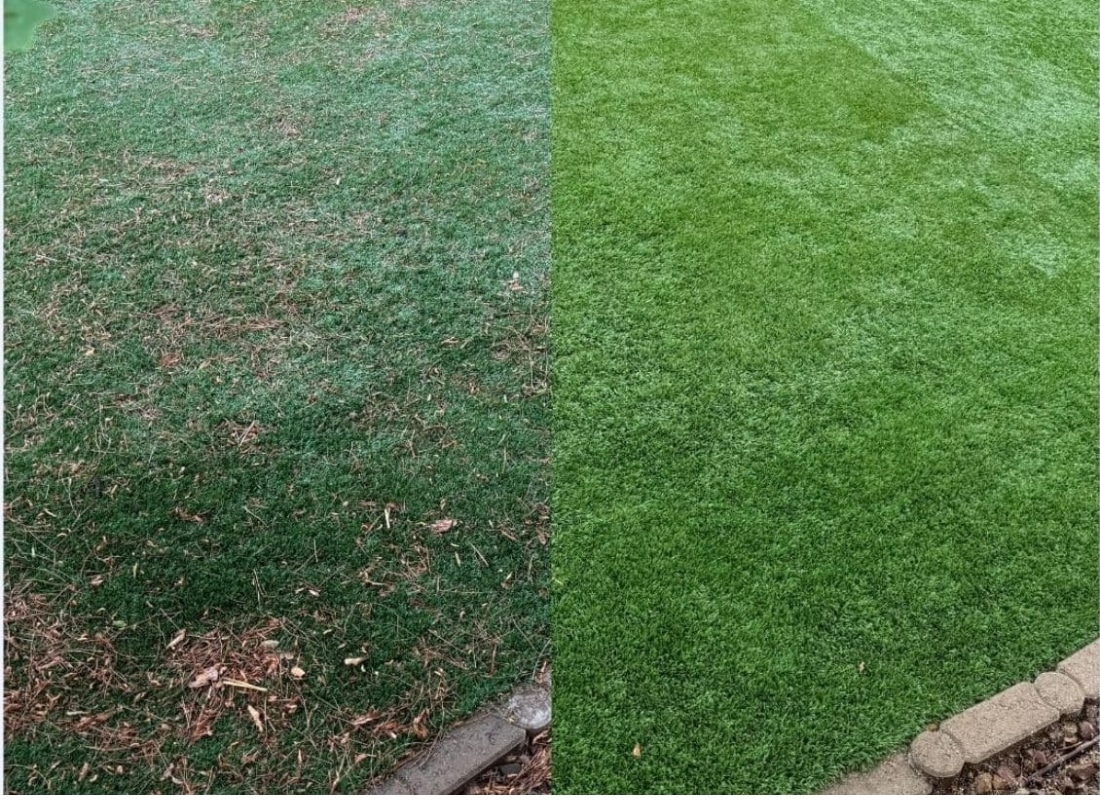
Add fresh infill to any areas that have fallen below optimal levels, spreading it evenly and brushing it into the fibers with a stiff push broom. After infill work, brush the entire turf surface against the grain using overlapping strokes to lift fibers that have been pressed flat during winter. This comprehensive brushing is one of the most visually impactful steps of the spring cleaning process, immediately transforming the turf from winter-worn to fresh and upright.
Phase 4: Repairs and Adjustments
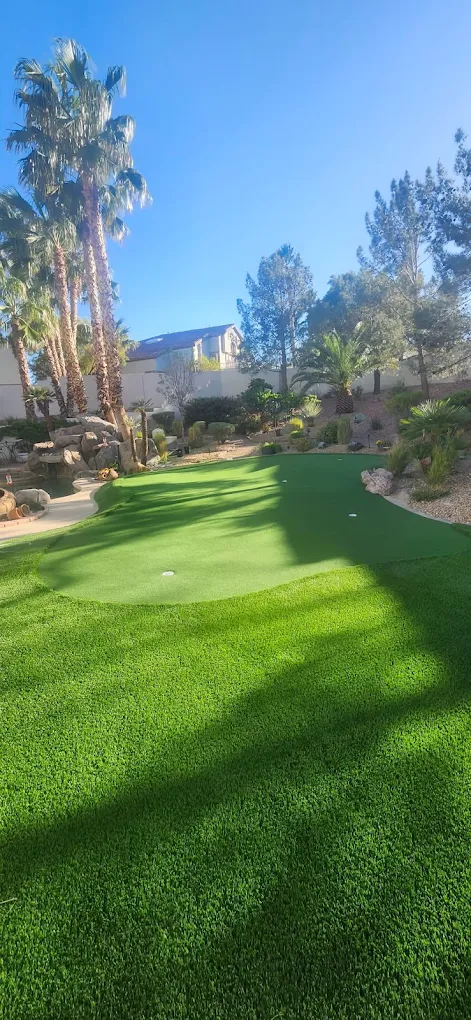
Address each issue you identified during your inspection. Repair separating seams with seam tape and adhesive, secure lifting edges with landscape spikes or adhesive, and pull any weeds growing through drainage holes or along borders. Small repairs made during spring are straightforward and inexpensive, while the same problems left until summer will worsen under heat stress and become more difficult and costly to fix.
Check the perimeter of your installation for any areas where the turf has shifted, wrinkled, or pulled away from securing elements. Thermal contraction during cool winter nights can stress edges and borders, creating gaps that collect debris and allow weed growth. Resecure any loose areas and ensure the entire perimeter is snug and anchored. For homes in Southern Highlands and Boulder City where evening temperatures drop more dramatically, edge maintenance is particularly important after winter.
Phase 5: Antimicrobial and Deodorizing Treatment
The final phase of spring cleaning is a preventive antimicrobial treatment that creates a clean foundation for the months ahead. Apply a turf-safe antimicrobial product across the entire surface, following the manufacturer dilution and application instructions. This treatment kills any remaining bacteria, mold spores, and algae colonies that survived winter in the infill, and creates a protective barrier that slows recolonization during the warm months when biological activity accelerates.
If your turf has any lingering odors from pet use, organic decomposition, or winter moisture, add an enzymatic deodorizer to your treatment protocol. Unlike fragrance-based products that merely mask smells, enzymatic deodorizers break down the organic compounds causing the odors at a molecular level. Apply generously to areas where pets frequent and anywhere you have noticed musty or unpleasant smells during your inspection. This combination of antimicrobial and enzymatic treatment sends your turf into the active season smelling clean and hygienic for your Spring Valley, Paradise, or Henderson family.
Document your spring cleaning with before and after photos each year. Comparing annual photos helps you track your turf condition over time and spot gradual changes like fading, thinning, or recurring problem areas that might not be obvious from one cleaning to the next.
Setting Your Maintenance Schedule for the Season
With your spring cleaning complete, establish a maintenance schedule that will carry your turf through summer and into fall. Set weekly reminders for debris removal, biweekly reminders for brushing, and monthly reminders for rinsing and spot treatment. Add quarterly deep cleaning dates to your calendar, and note the date for your next comprehensive seasonal cleaning in October after the monsoon season ends.
Having a schedule written down or set as recurring phone reminders dramatically increases the likelihood that maintenance actually happens consistently. The difference between well-maintained turf that looks great for 15 to 20 years and neglected turf that deteriorates in five to eight years comes down to these regular, relatively simple maintenance habits. Your spring cleaning investment is only as valuable as the ongoing care that follows it through the rest of the year across every neighborhood from Summerlin to Henderson.