Understanding Where Turf Odor Actually Comes From
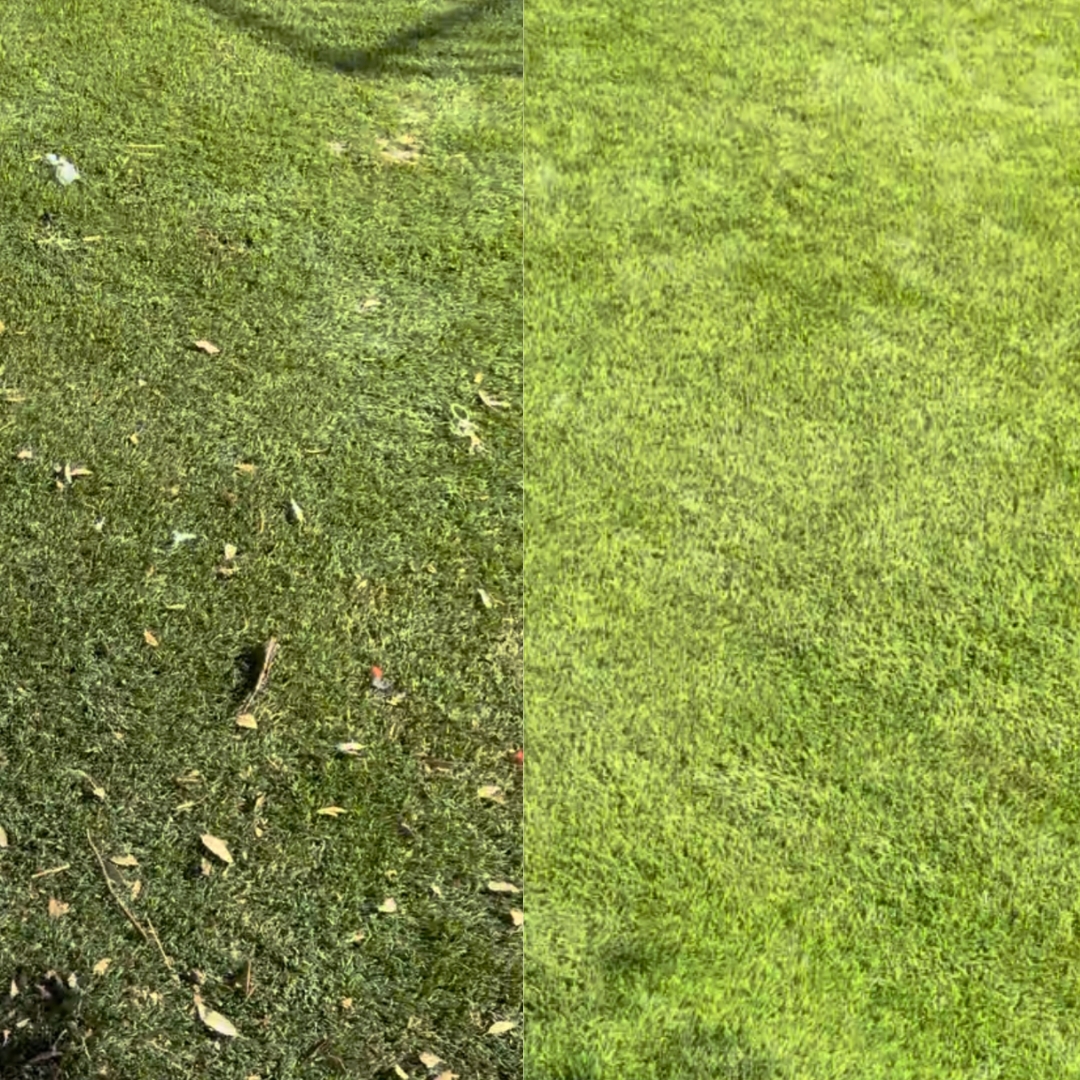
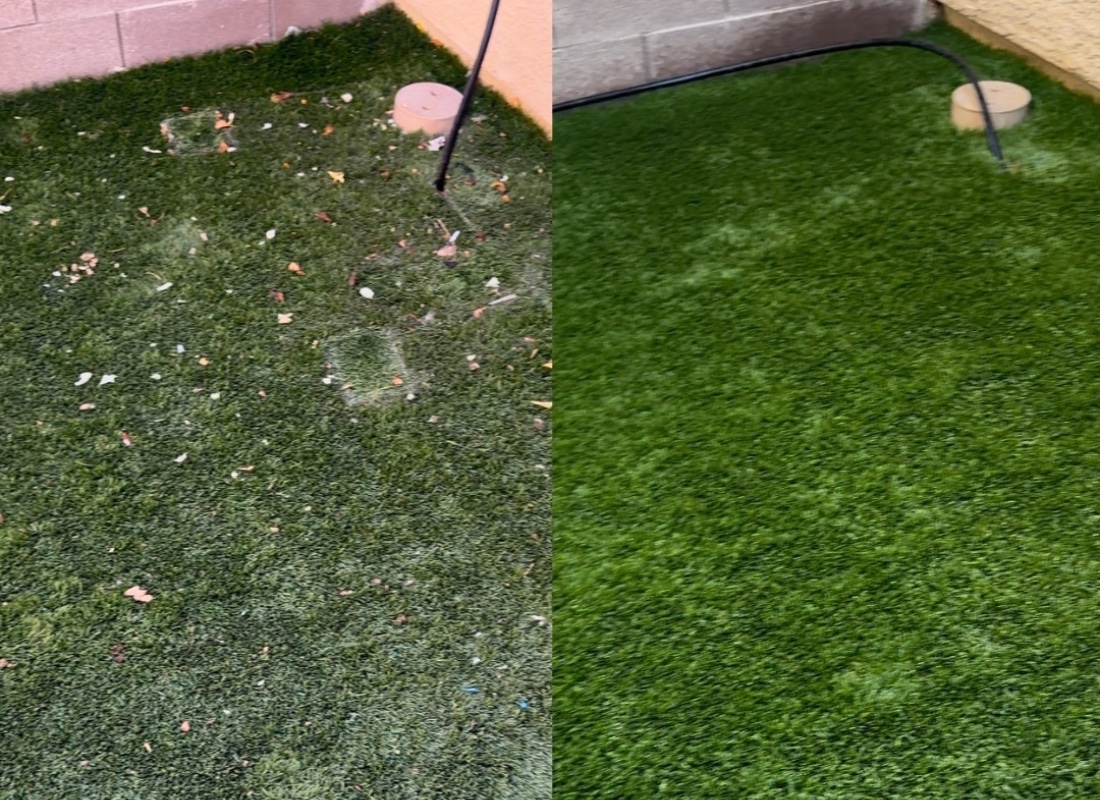
Before you spend money on deodorizers, it helps to know where the smell is actually coming from. Pet odor on turf has three distinct sources: ammonia from urine breaking down on the surface, bacteria multiplying in contaminated infill, and uric acid crystals buried deep in the infill and sub-base that reactivate whenever they get wet. Each source needs a different fix, and most stubborn odor problems involve all three.
Henderson heat acts like an amplifier for all three sources. Ammonia gets more volatile at higher temperatures, meaning it evaporates faster and hits your nose harder. Bacterial colonies multiply more rapidly in warm conditions, especially in the sheltered infill layer. And uric acid crystals, which normally need direct water contact to reactivate, can start releasing odor from humidity alone once temperatures push past 100 degrees.
That is why so many Summerlin and Henderson homeowners notice that turf odor they could live with during winter becomes unbearable once spring turns to summer. The exact same contamination level produces wildly different odor intensity depending on temperature. The only approach that works is addressing all three sources, not just covering up the smell.
Enzyme-Based Deodorizers: The Gold Standard
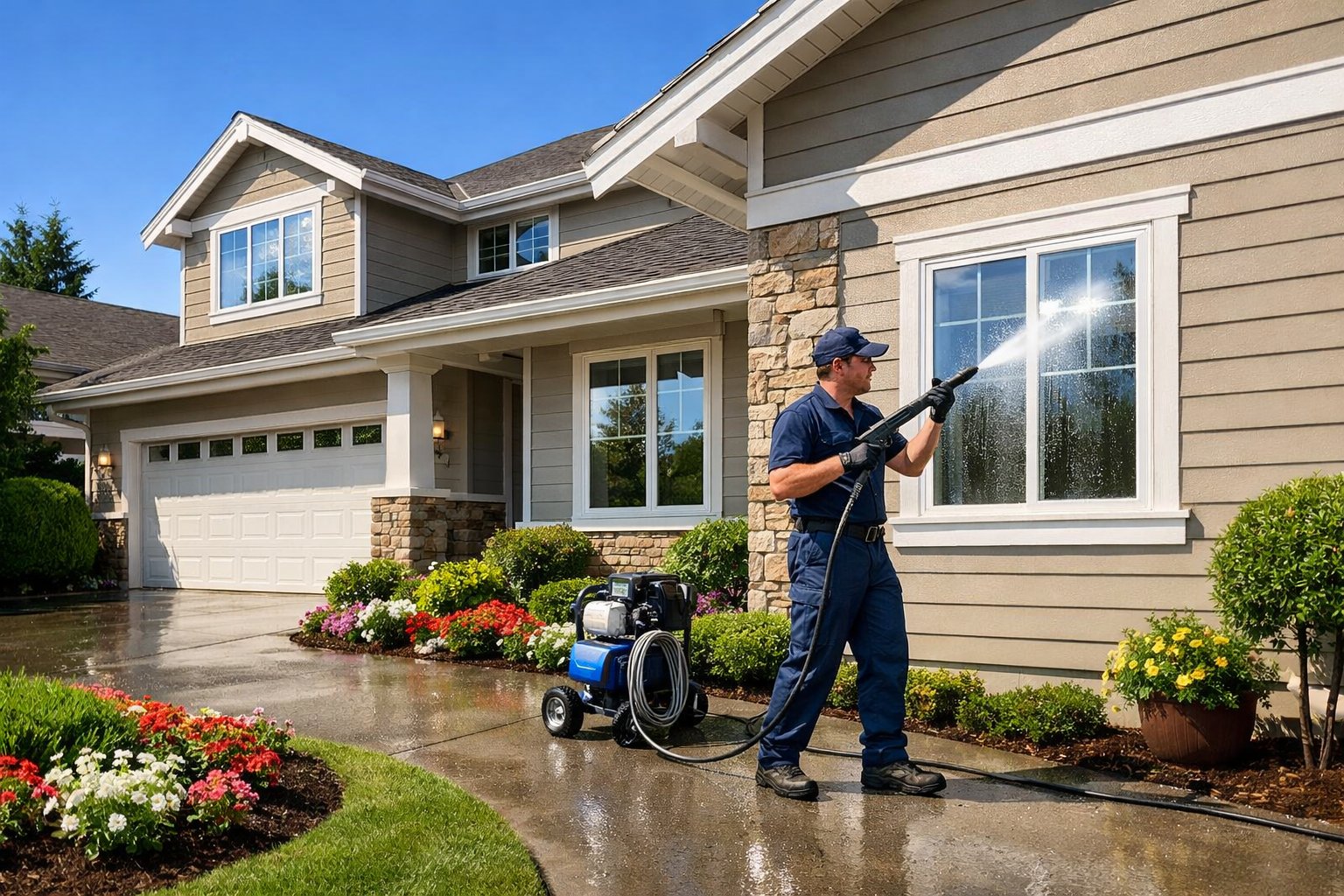
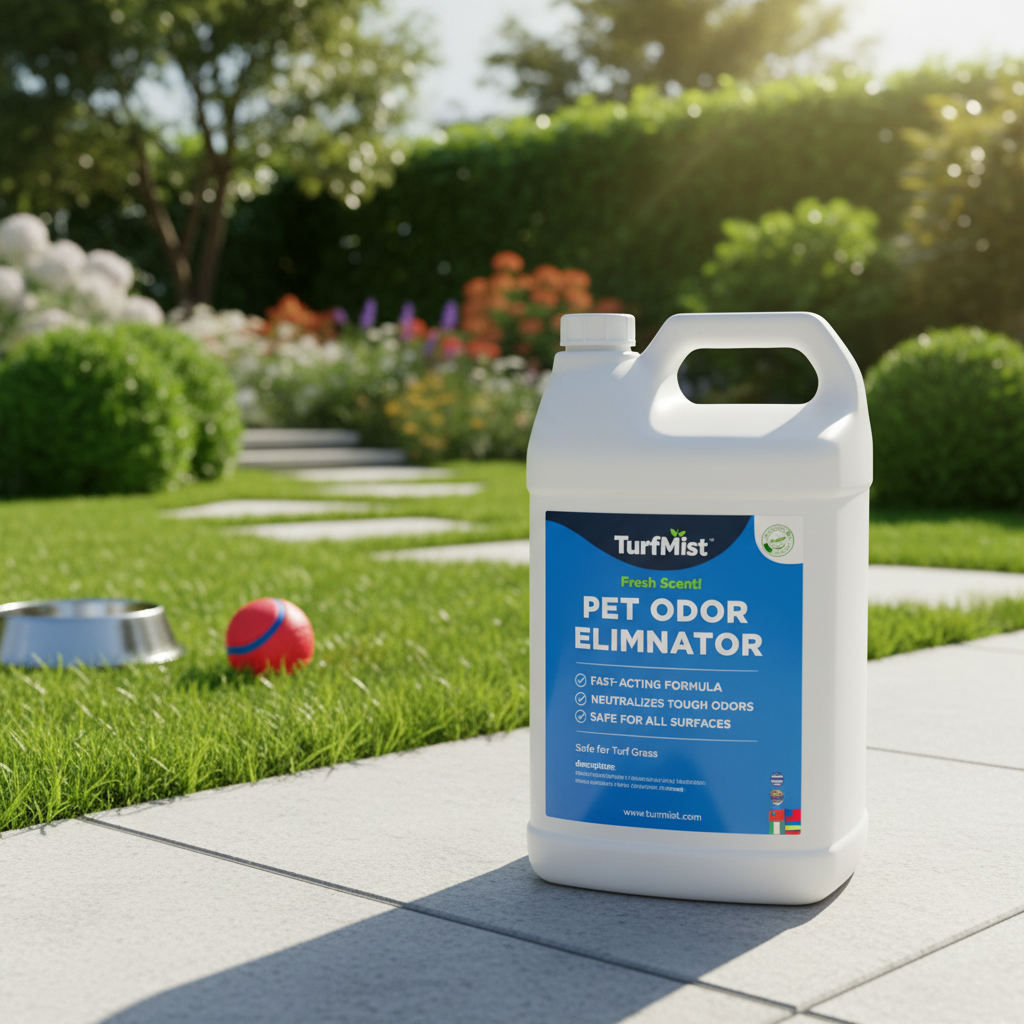
Enzyme-based deodorizers are still the gold standard for pet odor on artificial turf, and there is a good reason. They go after the root cause instead of just masking it. These products contain beneficial bacteria that produce enzymes targeting the organic compounds behind the smell. The enzymes actually consume uric acid, ammonia precursors, and organic waste residue, permanently getting rid of what generates the odor.
For Henderson conditions, pick enzyme products specifically rated for outdoor use in high-temperature environments. BioTurf BioS+, TurFresh, and Nature's Miracle Outdoor are all proven performers in desert heat. The trick to making enzyme deodorizers work is proper application: pre-wet the turf, apply during cooler hours, and keep things moist long enough for the enzymes to do their thing before the desert air dries everything out.
- BioTurf BioS+: pro-grade formula with excellent heat stability, built specifically for turf
- TurFresh BioS+ Concentrate: the go-to for professional cleaning services, great value in concentrate
- Nature's Miracle Advanced Outdoor: easy to find, tackles both surface and infill odor
- Rocco and Roxie Outdoor: powerful enzyme formula with a pleasant residual scent
- Simple Green Outdoor Odor Eliminator: budget-friendly option for routine upkeep
Infill-Based Odor Control Solutions
Infill treatments go after odor at its deepest source by neutralizing contamination right inside the infill layer. ZeoFill zeolite infill is the most popular infill-based deodorizer in Henderson, using natural mineral absorption to lock up ammonia molecules. The big advantage over surface sprays is that zeolite works continuously for 12 to 18 months before it needs replacing.
Envirofill with Microban antimicrobial treatment gives you odor control plus bacterial growth prevention in one product. The Microban coating inhibits the bacteria that convert urea into ammonia, interrupting the odor cycle right at the source. This dual-action approach is especially effective in Henderson heat where bacterial activity runs at turbo speed. Many Green Valley and Enterprise homeowners have switched to Envirofill as an all-in-one solution that cuts down on frequent surface deodorizer applications.
If you already have standard infill, deodorizing additives can be sprinkled on top and raked in without replacing the whole layer. Products like Fresh Fill and DeoFill are granular treatments designed to boost existing infill, providing odor absorption for three to six months. It is a lot more budget-friendly than a full infill swap and works great as a maintenance step between deeper treatments.
For the best results, pair zeolite infill with monthly enzyme spray treatments. The infill handles everyday absorption while the enzyme treatments knock out concentrated deposits.
Want Us to Handle It Instead?
Get a free quote for your Henderson property. Same-day appointments available.
Deodorizing Products That Do Not Work on Turf
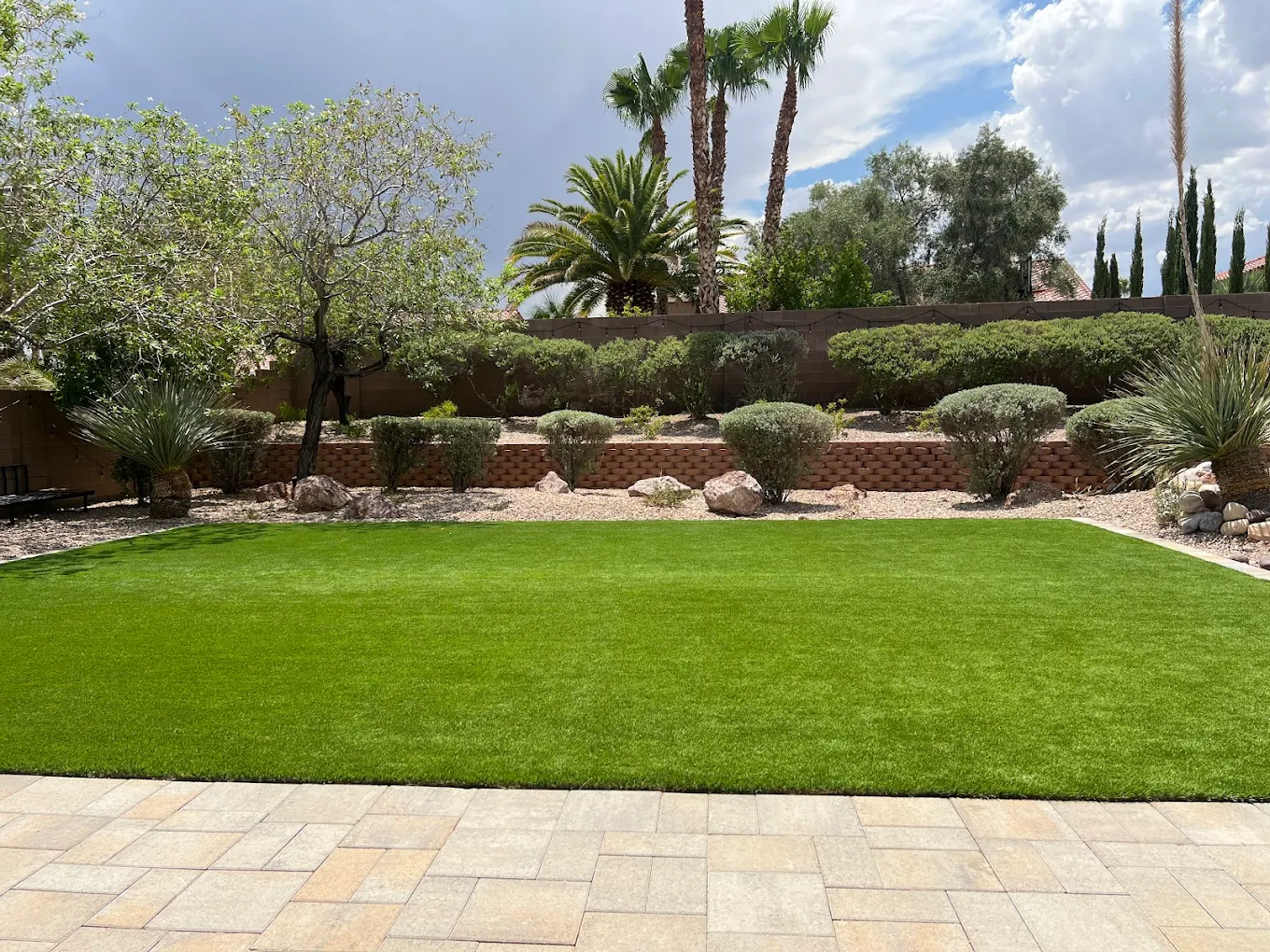
The deodorizer aisle is packed with products that promise miracles but only give you temporary fragrance masking. Air freshener sprays, scented powders, and perfume-based indoor products are basically useless on outdoor artificial turf. The fragrance evaporates within hours in Henderson desert air, leaving the underlying odor completely untouched. Even worse, some leave sticky residues that attract dust and dirt.
Baking soda is a popular home remedy for indoor pet odors, but it does very little on artificial turf. Sure, it can absorb some surface moisture and temporarily dial back the smell, but it cannot penetrate the infill where the real contamination lives. In Henderson, baking soda on turf often turns into a crusty paste when mixed with hard water, creating another cleaning headache. Use it for quick spot treatments on fresh incidents, but do not count on it as your main deodorizing strategy.
Steer clear of bleach and ammonia-based products on your turf. Bleach breaks down turf fibers and UV stabilizers, and ammonia products just add more of the exact compound you are trying to get rid of.
Deodorizer Application Schedule for Henderson
How often you apply deodorizer depends on how many dogs you have, what season it is, and how much turf you are working with. For a one-dog household with 300 to 500 square feet, weekly enzyme deodorizer during warm months from April through October and biweekly during cool months from November through March keeps things fresh. Multi-dog homes should bump up to twice-weekly enzyme applications during summer.
Infill treatments run on a different schedule because they work around the clock once applied. ZeoFill and similar products need topping off every 12 to 18 months, with spot additions to high-use zones every three to four months. Schedule those infill refreshes for early spring before the heat amplifies whatever contamination built up over winter, giving you a clean slate heading into the toughest odor season.
Professional deodorizing treatments, which use commercial-grade products and application equipment, should be scheduled quarterly for most households and every six to eight weeks for multi-dog homes. North Henderson, Centennial Hills, and Boulder City homeowners who follow this combined schedule of DIY enzyme maintenance plus professional quarterly treatments consistently get the best results.
Effective DIY Deodorizing Solutions
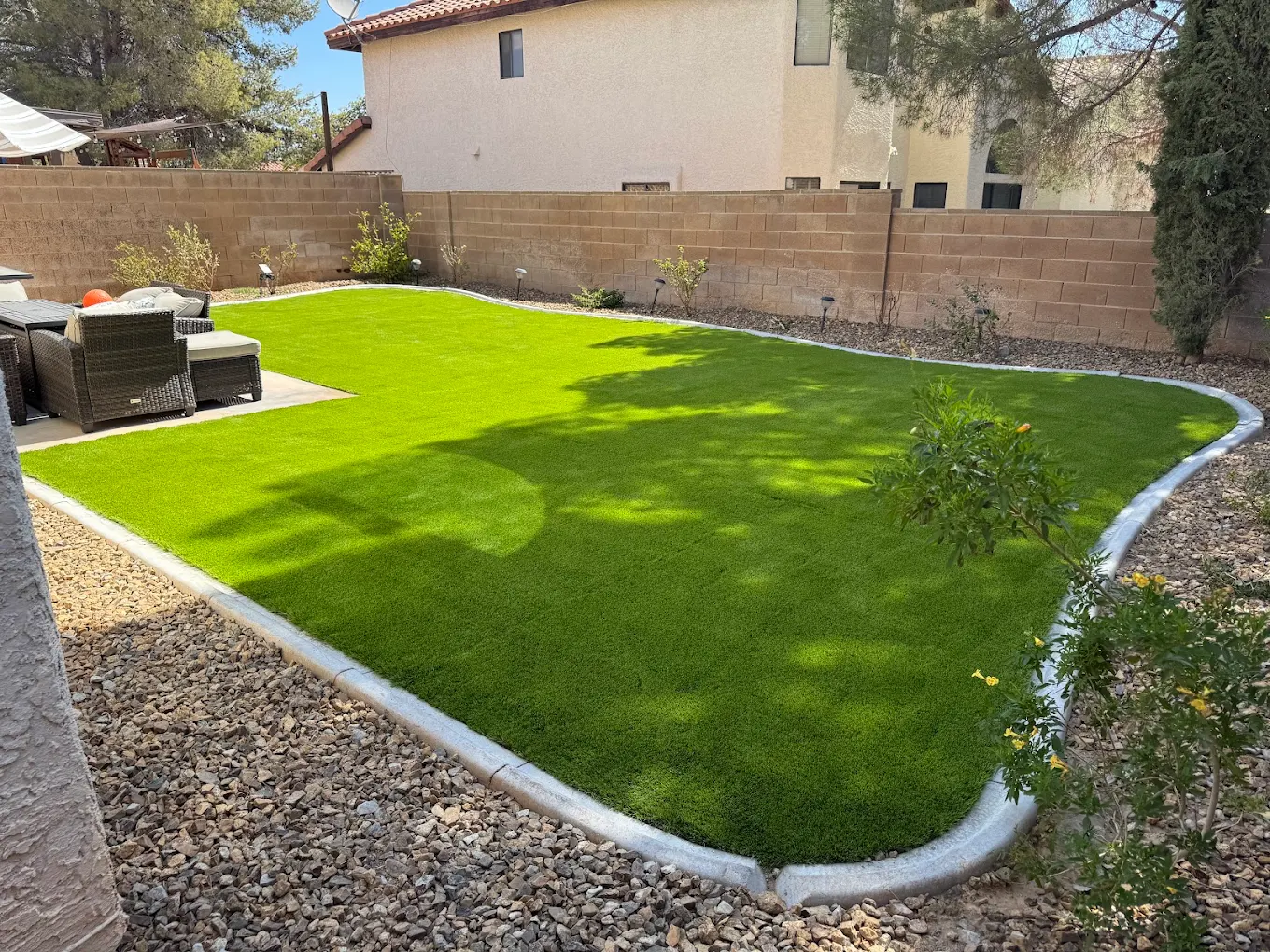
If you prefer natural solutions or want something to fill the gaps between commercial applications, a few DIY deodorizing approaches work pretty well on artificial turf. A mix of one part white vinegar to three parts water, applied with a pump sprayer and rinsed off with plain water after 15 minutes, provides temporary odor neutralization for surface-level contamination. It works best as a bridge between enzyme treatments, not a standalone fix.
Hydrogen peroxide at 3 percent concentration, the standard drugstore kind, can be diluted further, one part peroxide to five parts water, and used as a sanitizing deodorizer. It breaks down into water and oxygen, so there is zero residue. Apply during evening hours in Paradise, Spring Valley, and other warm neighborhoods to prevent rapid evaporation. One heads-up is that hydrogen peroxide can lighten some darker turf products at full strength, so always test a hidden spot first.
The most effective DIY approach layers these treatments on a rotating schedule: vinegar rinse for a quick mid-week freshening, enzyme cleaner as the primary weekly treatment, and peroxide solution for monthly deep sanitization. This rotation tackles different aspects of turf odor and keeps bacteria from building resistance to any single method.