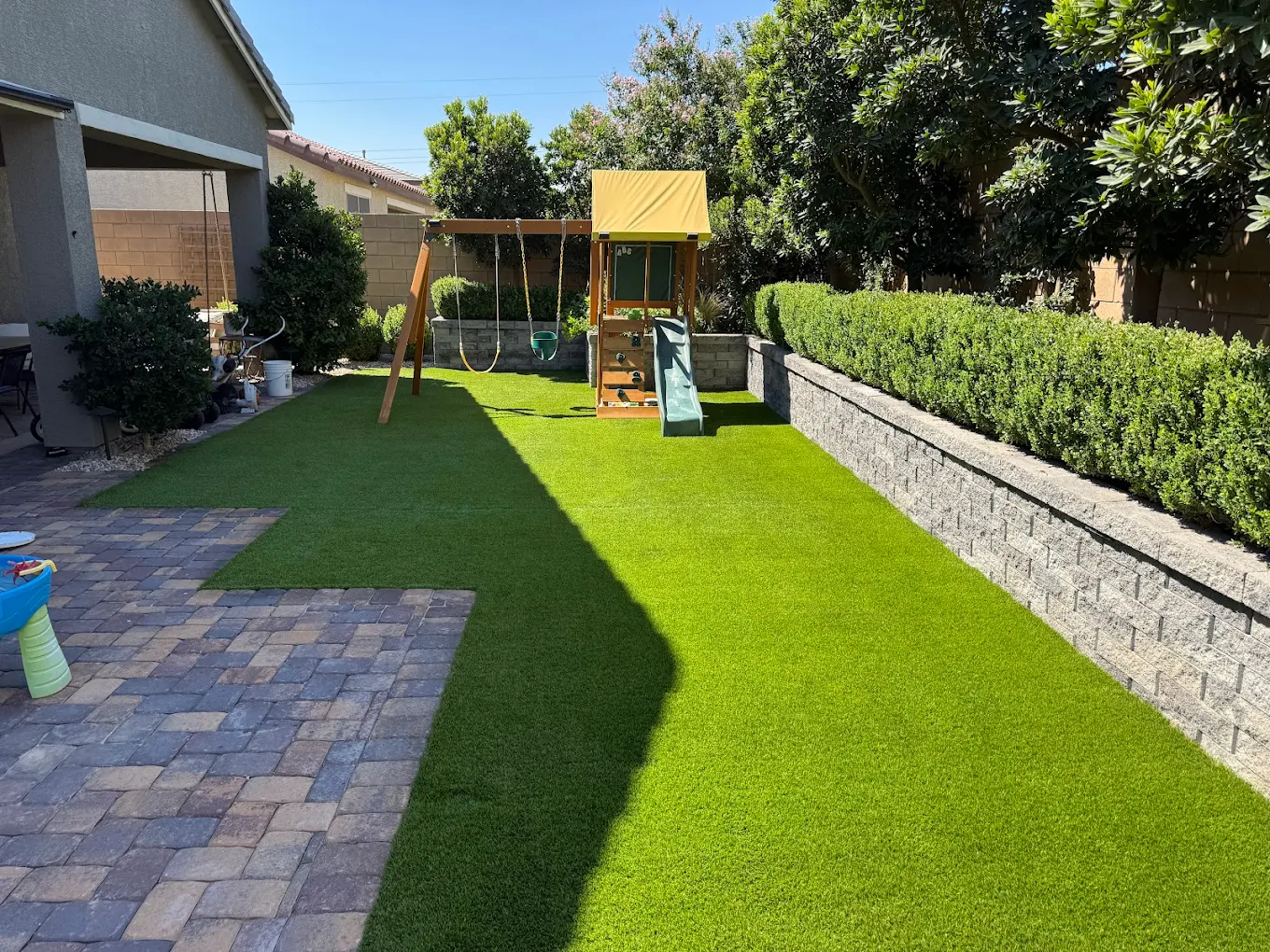
Why Playground Turf Maintenance Is a Safety Issue
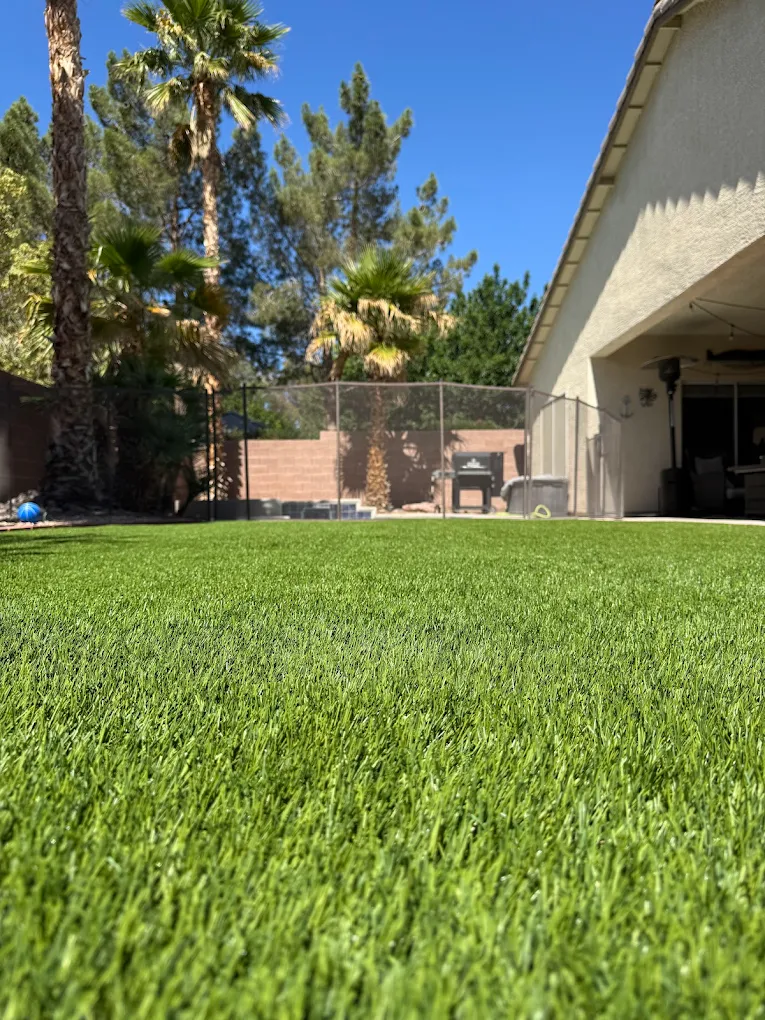
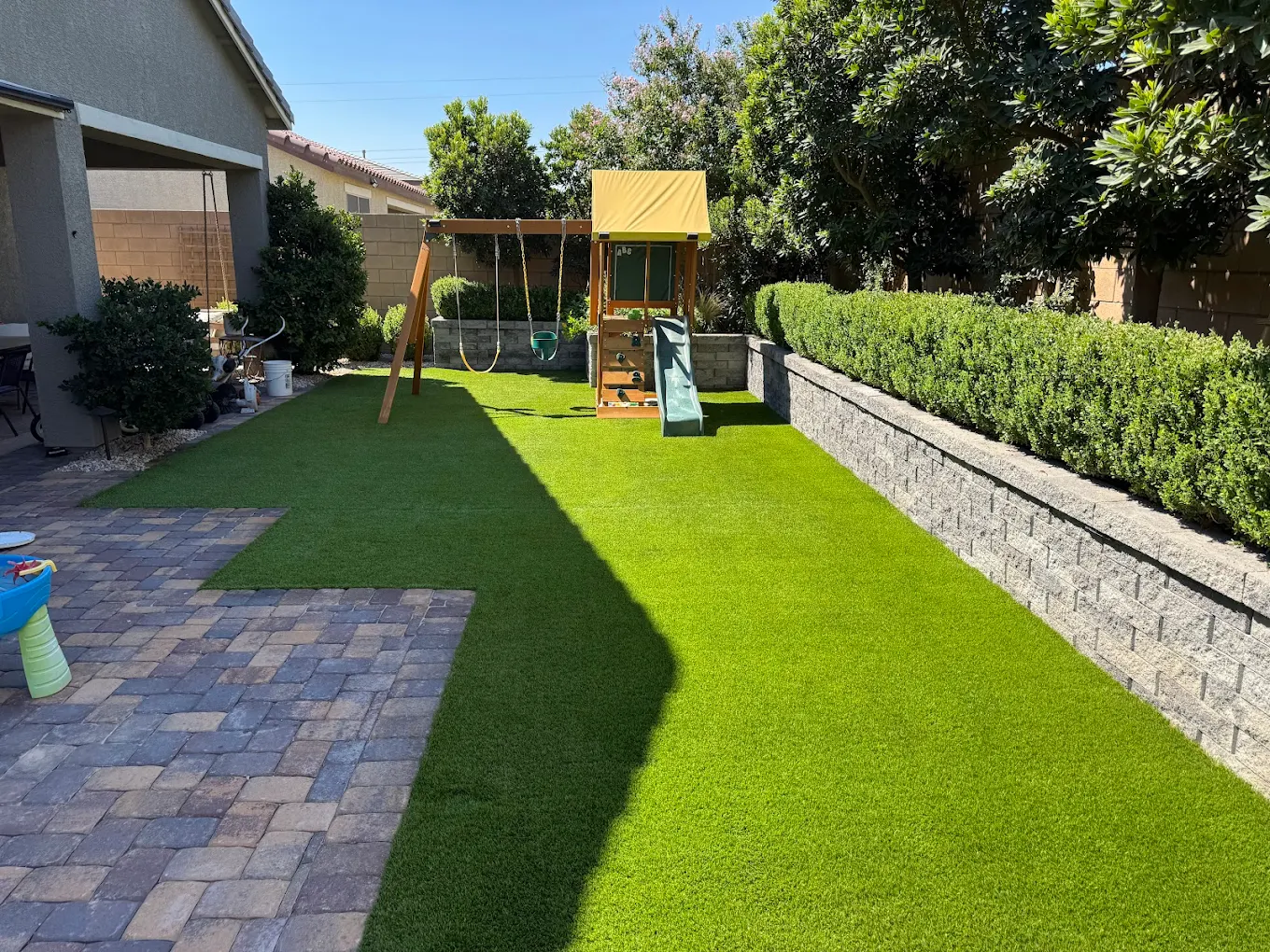
Playground artificial turf is not decorative. It is an active safety surface designed to cushion falls and reduce injury severity when children inevitably tumble during play. In Henderson, parks, daycare centers, and school playgrounds across Summerlin, Henderson, Spring Valley, and the greater valley rely on properly maintained turf to meet fall attenuation standards set by the Consumer Product Safety Commission and ASTM International. When maintenance lapses, the turf system's ability to protect children degrades. That creates genuine liability exposure for facility operators.
Infill displacement is the most common maintenance-related safety concern on playground turf. As children run, jump, and slide across the surface, the shock-absorbing infill material migrates away from high-use areas and accumulates in low-traffic zones. This creates inconsistent fall protection. Some areas meet safety standards while others fall below the required impact attenuation levels. Henderson playgrounds face accelerated infill displacement because of heavy use and desert wind that blows loose infill particles off the surface entirely.
Contamination is the other major safety concern. Children interact with playground surfaces far more intimately than adults interact with decorative turf. They sit on it, crawl across it, put their hands on it and then touch their faces. This means that bacterial contamination, animal waste, and chemical residue on playground turf pose a direct health risk that does not exist to the same degree on adult-oriented turf installations.
Playground turf with displaced infill may not meet CPSC fall attenuation standards. Facility operators can be held liable for injuries that result from improperly maintained safety surfaces. Regular infill level checks are essential.
Cleaning Protocols for Playground Turf
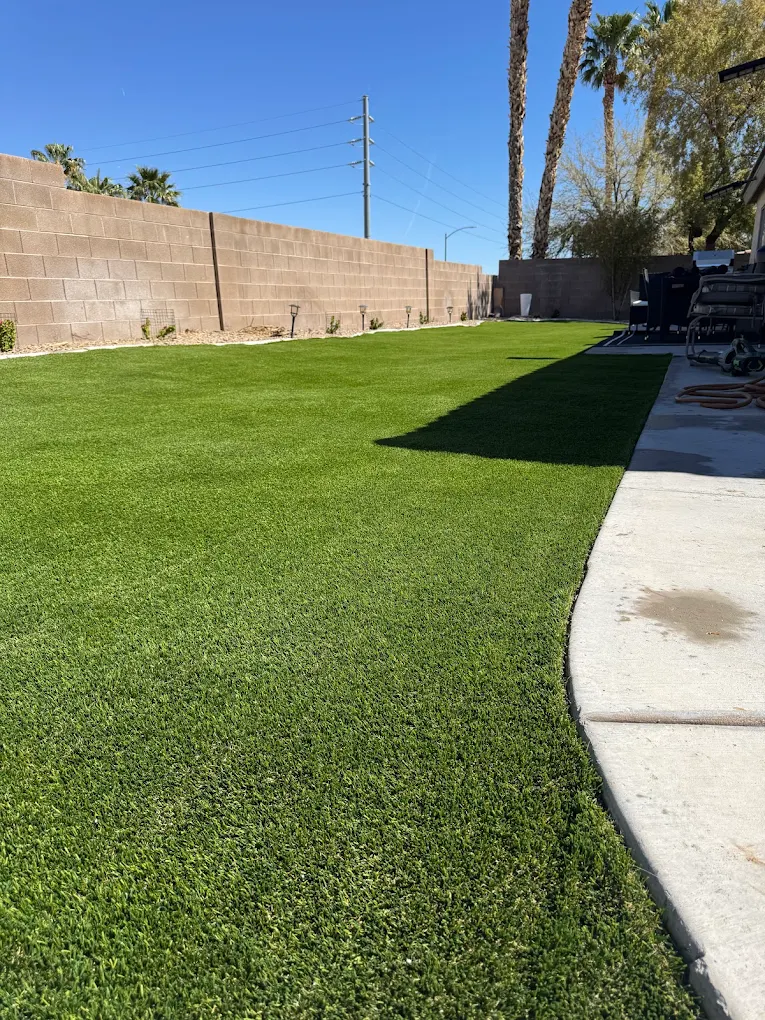
A rigorous cleaning protocol for playground turf should include daily, weekly, and monthly tasks that address both appearance and safety requirements. Daily tasks include visual inspection of the entire surface for debris, animal waste, damage, and foreign objects, followed by removal of any hazards found. Playgrounds in public parks throughout Paradise and Spring Valley see heavy daily use from early morning through evening. Pre-opening inspections are a critical safety step.
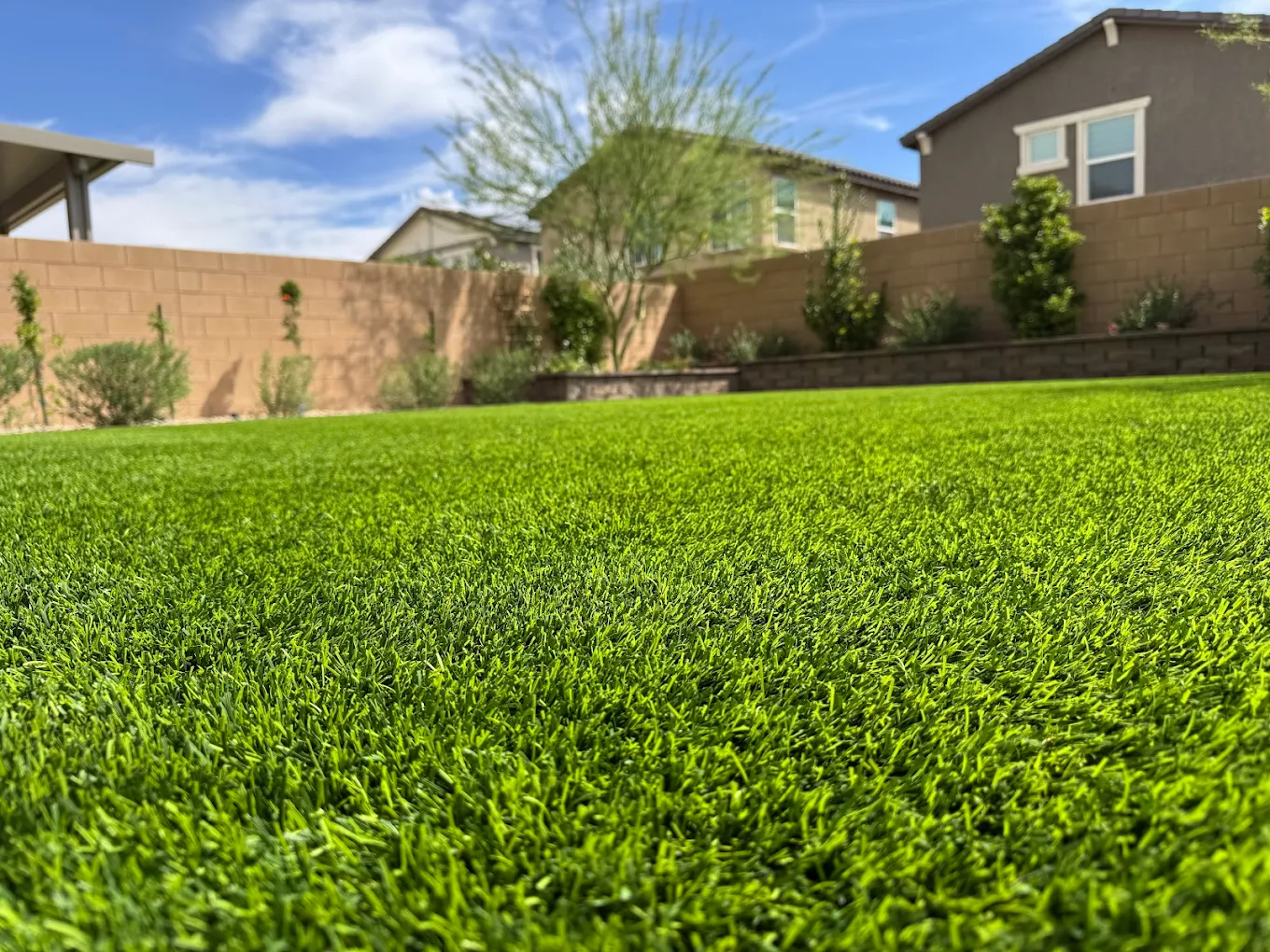
Weekly cleaning should include thorough rinsing of the entire surface with clean water, spot treatment of any stains or discolored areas, and brushing to redistribute infill and maintain fiber uprightness. Monthly deep cleaning involves antimicrobial treatment of the entire surface, detailed infill level assessment with depth measurements at multiple points, and inspection of seams, edges, and the connection points around playground equipment. Schools and daycare facilities in Henderson and Summerlin that follow this schedule report fewer parent complaints and zero safety incidents related to surface conditions.
- Daily visual inspection and debris removal before children arrive
- Weekly rinsing and spot treatment of stains or discoloration
- Monthly antimicrobial treatment of the entire turf surface
- Quarterly professional deep cleaning with infill level measurement
- Annual third-party safety testing for fall attenuation compliance
Managing Infill Levels for Fall Protection
Infill management is the most important aspect of playground turf maintenance because it directly affects fall protection performance. The CPSC recommends that playground surfaces meet specific impact attenuation standards, measured as G-max values and Head Injury Criteria. These depend on having the correct depth and distribution of shock-absorbing infill material across the entire play surface. Facilities in Henderson should check infill levels at a minimum of quarterly, with monthly spot checks in high-use areas beneath swings, slides, and climbing structures.
Henderson presents unique challenges for infill management. Desert winds carry infill particles away from exposed surfaces. Extreme heat causes certain types of infill to break down faster than they would in cooler climates. TPE rubber and EPDM rubber infill are the preferred materials for playground applications because they maintain their cushioning properties better in high heat than crumb rubber alternatives. Parks and recreation facilities across the valley should budget for annual infill replenishment as part of their standard maintenance plan.
ASTM F1292 establishes the standard for impact attenuation of surfacing materials within the use zone of playground equipment. Facilities should conduct G-max testing annually to verify compliance and document results for liability protection.
Want Us to Handle It Instead?
Get a free quote for your Henderson property. Same-day appointments available.
Sanitation Standards for Children's Play Areas
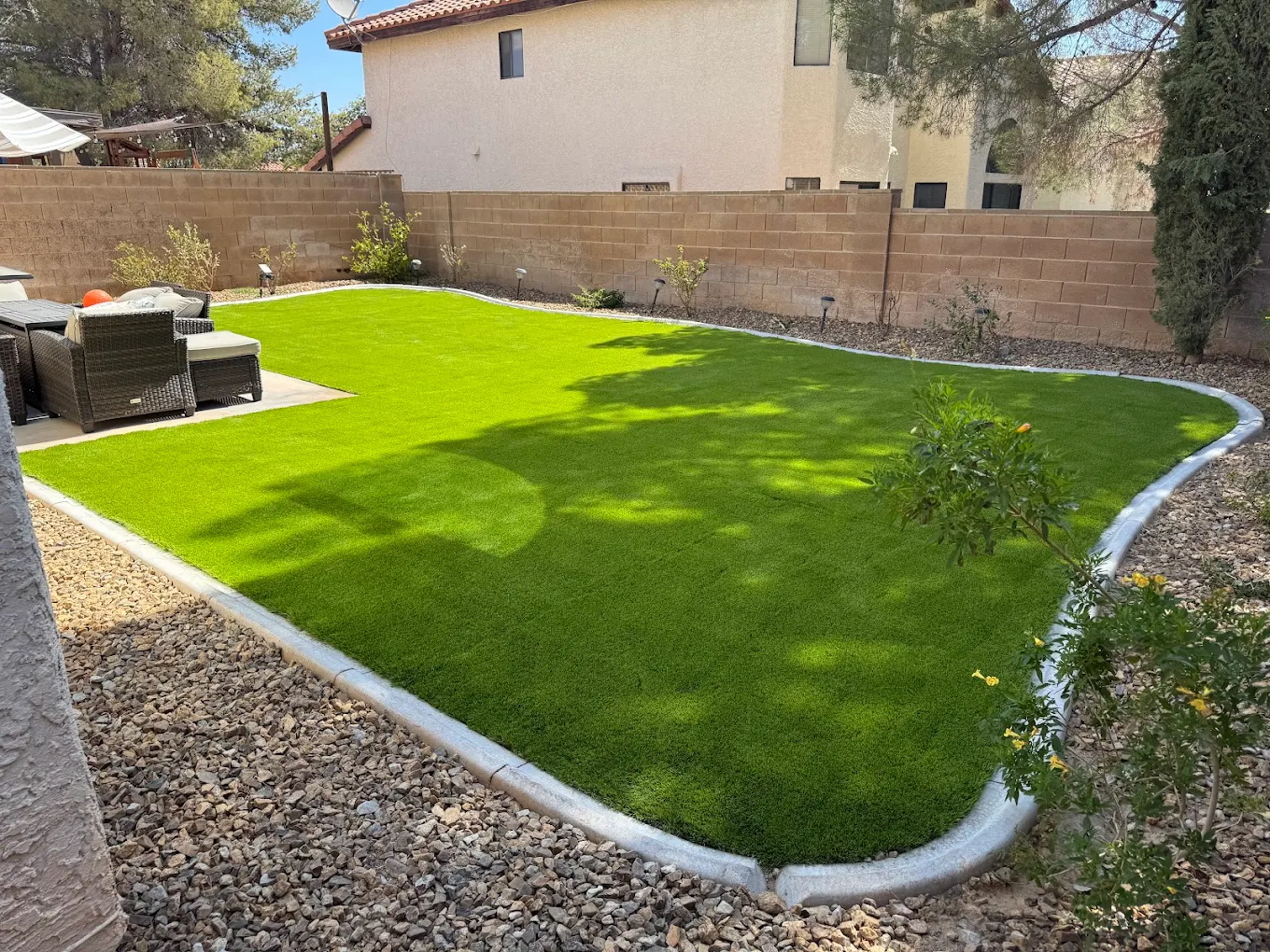
Sanitation standards for playground turf go beyond what is required for general commercial turf applications because of the vulnerable population using these surfaces. The Southern Nevada Health District has guidelines for outdoor play areas at licensed childcare facilities that include requirements for regular surface sanitization, immediate cleanup of bodily fluids, and documentation of cleaning activities. Daycare centers and preschools throughout Henderson, Summerlin, and the southwest valley must maintain cleaning logs that demonstrate compliance with these standards.
Enzymatic cleaners and food-grade sanitizing solutions are the preferred products for playground turf cleaning. They effectively neutralize bacteria and organic contaminants without leaving chemical residues that could harm children. Bleach-based cleaners, while effective at killing bacteria, can damage turf fibers, degrade infill materials, and leave irritating residues that pose risks to children with sensitive skin or respiratory conditions. Facilities should select cleaning products that are specifically formulated for artificial turf and carry certifications for use in environments where children are present.
Seasonal Maintenance Considerations in Henderson
Henderson playground turf maintenance needs shift with the seasons, though the changes are less dramatic than in regions with traditional four-season climates. Summer brings the most intense challenges. Surface temperatures can exceed 150 degrees, making turf too hot for barefoot play during afternoon hours. Facilities in Paradise, Spring Valley, and throughout the valley should implement heat management protocols that include scheduled cooling rinses before peak play times, posted temperature warnings, and shade structures over the most heavily used areas.
Fall and winter bring dust storm season and lower temperatures that make turf more comfortable but also create different maintenance demands. Dust storms deposit fine particulate matter that works deep into turf fibers and infill. This requires thorough cleaning after each event. The cooler months are also the ideal time for annual deep maintenance tasks like infill replenishment, seam repair, and professional G-max testing, because facilities can close sections for maintenance without the pressure of peak summer demand.
Documentation and Liability Protection
Thorough documentation of playground turf maintenance activities is not just good practice. It is essential liability protection for facility operators. In the event of an injury on a playground surface, the first thing an attorney will request is maintenance records demonstrating that the facility took reasonable steps to keep the surface safe. Schools, daycare centers, and parks departments across Henderson should maintain detailed logs that record every inspection, cleaning activity, repair, and safety test conducted on their turf surfaces.
Documentation should include the date and time of each maintenance activity, the specific tasks performed, the name of the person who completed the work, any deficiencies noted and corrective actions taken, and results of any safety testing. Digital maintenance tracking systems are increasingly popular among Henderson facility managers because they create timestamped records that hold up well in legal proceedings. Facilities in Henderson and Summerlin that have adopted digital tracking report that the investment in software pays for itself many times over in reduced liability exposure and simplified compliance reporting.