What You Can DIY: Routine Maintenance Tasks
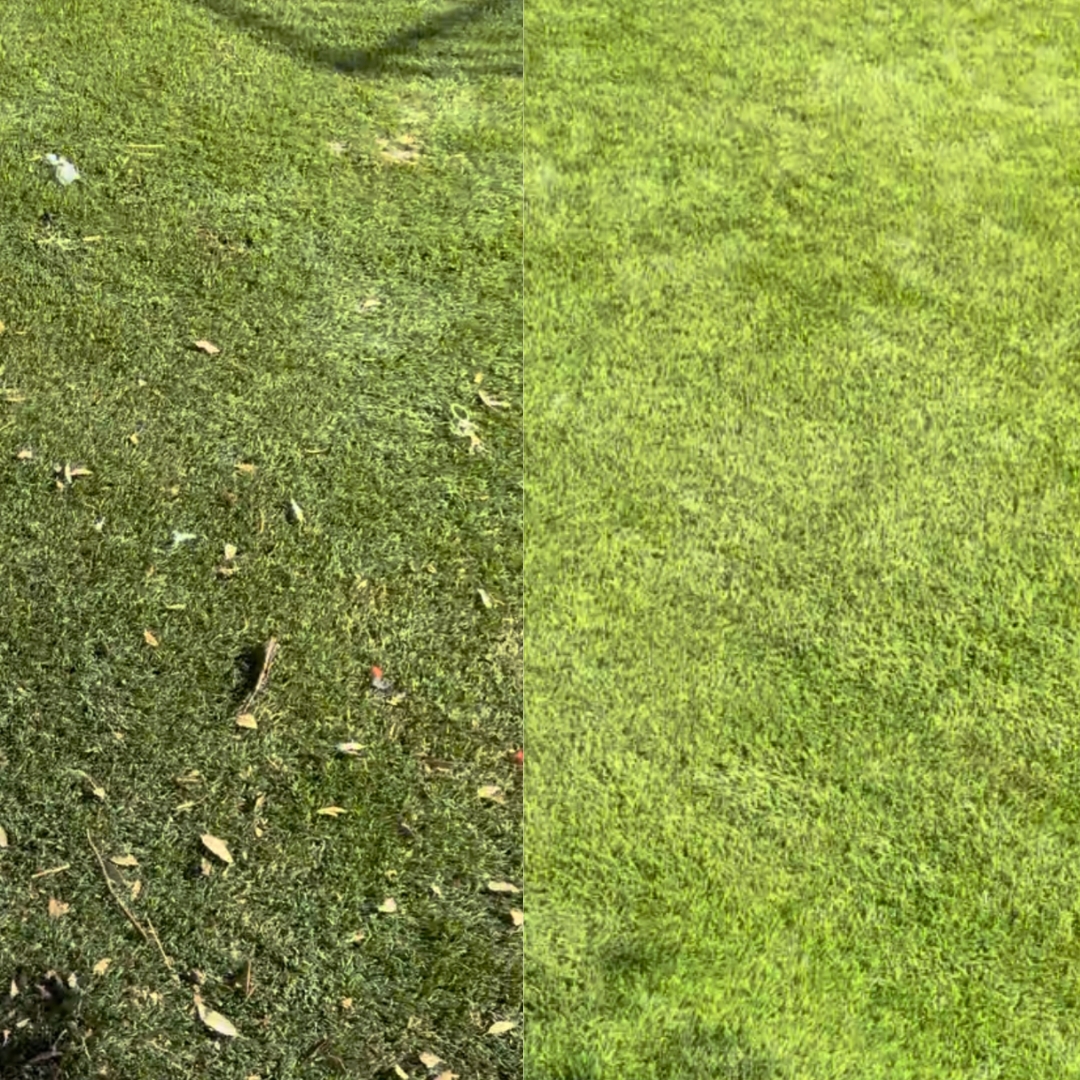
Good news: the bulk of turf upkeep is stuff you can knock out yourself with basic gear and a little elbow grease. Weekly brushing, picking up debris, and tackling the occasional spot clean will keep your Henderson lawn looking sharp between deeper treatments. Staying on top of these small tasks actually saves you from pricey emergency cleanings down the road.
If you have pets in Henderson or Summerlin, daily waste pickup and a quick weekly hose-down probably already fit into your routine. The secret to great DIY maintenance is doing a little bit often, not going all out once in a while. Fifteen minutes every week beats a marathon cleaning session that wipes you out and still leaves patchy results.
- Picking up leaves, debris, and pet waste daily or every couple of days
- Giving the turf a good rinse with a garden hose each week to wash off dust
- Brushing fibers monthly with a stiff-bristled broom to keep the pile upright
- Treating stains on the spot with enzyme cleaners or a bit of mild soap
- Checking seams, edges, and well-worn areas for any signs of wear
- Spritzing pet-safe deodorizer between deep cleans to keep things fresh
What Needs a Professional: Advanced Cleaning
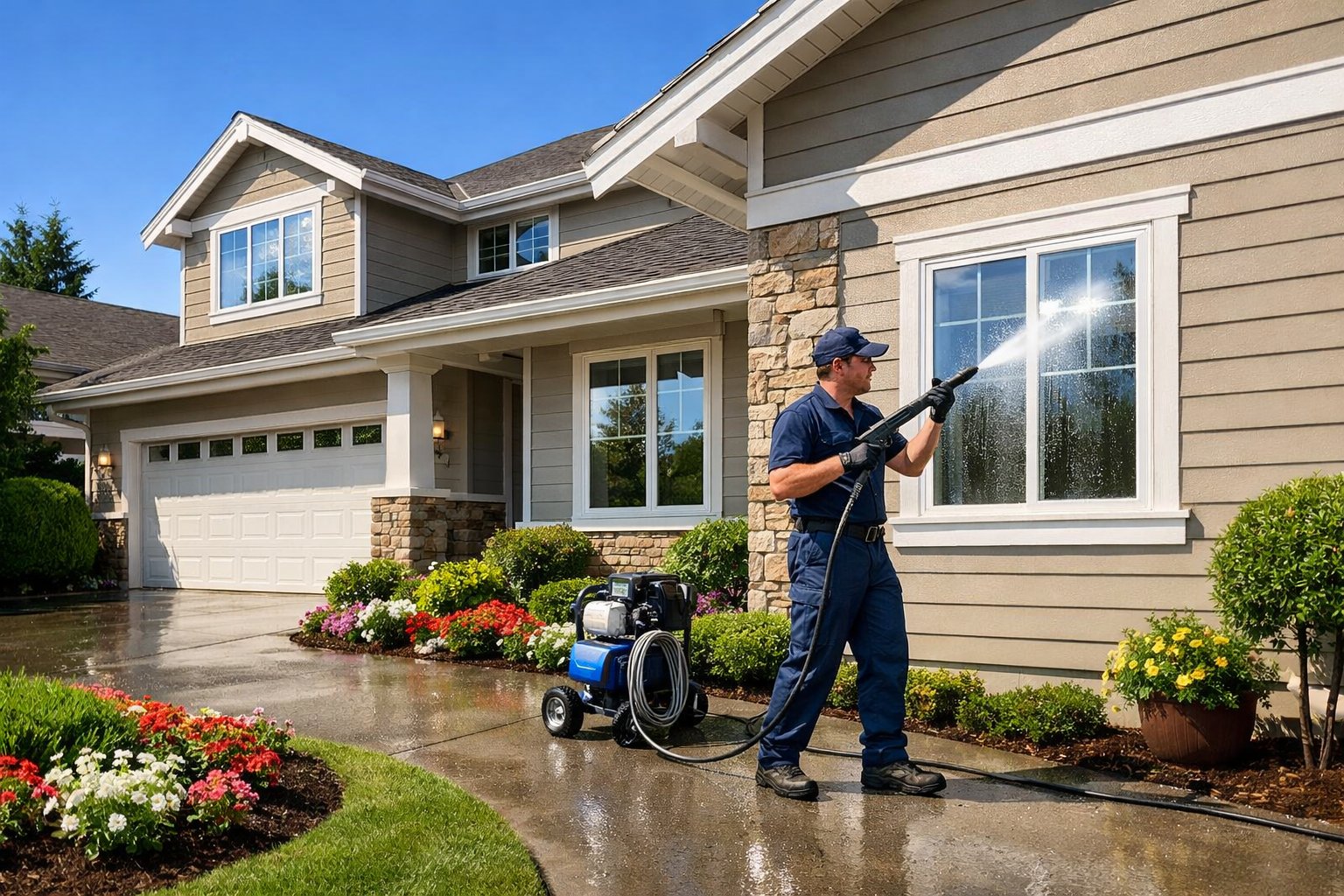
There are things a garden hose simply cannot do, and that is where the pros come in. Industrial power brooms dig deep into the infill to pull out embedded waste, bacteria, and gunk that surface rinsing misses entirely. Professional sanitizing systems wipe out 99.9% of bacteria and pathogens, giving you a genuinely clean surface rather than one that just looks okay on the outside.
Multi-pet households in Green Valley and Paradise know the struggle: no amount of DIY rinsing tackles the urine that has soaked deep into the infill layer. Professional extraction pulls concentrated ammonia and bacteria right out of the base, killing odors at the source. Trying to get that level of clean without the right equipment just burns through time and money on products that mask the problem for a day or two.
- Deep extraction that pulls waste and bacteria from the infill layer
- Industrial power brushing to fully restore flattened pile height
- Pro-grade sanitization that eliminates bacteria, viruses, and pathogens
- Infill top-ups and redistribution to keep drainage working properly
- Targeted odor elimination that fixes the root cause, not just the smell
Real Cost Comparison: DIY vs Professional

Running a weekly DIY routine in Henderson runs roughly $150 to $300 a year for enzyme cleaners, deodorizers, turf-safe brushes, and replacement gear. That is based on a 500 square foot lawn. Hiring Artificial Turf Cleaning Henderson for quarterly deep cleans typically runs $0.15 to $0.35 per square foot, adding up to $300 to $700 annually for the same area across four seasonal visits.
When you add up the hours, the gap narrows fast. Centennial Hills homeowners spending three hours a month on DIY care are investing 36 hours a year, whereas a Artificial Turf Cleaning Henderson pro wraps up a deep clean in about 90 minutes per visit, totaling just six hours annually. Your weekends have value too, and the difference in quality between a surface clean and a professional extraction is hard to overstate.
The sweet spot for most people? A combo of weekly DIY upkeep and quarterly pro deep cleaning. This hybrid approach runs $450 to $1,000 a year but delivers top-tier turf health and looks. Mountains Edge homeowners who go this route report their turf lasting 18 to 20 years instead of the 12 to 15 you get with DIY only, making professional service a no-brainer long-term investment.
SNWA rebates of up to $3 per square foot for turf installation can essentially cover several years of professional cleaning costs, making the hybrid DIY-plus-pro strategy very affordable.
Want Us to Handle It Instead?
Get a free quote for your Henderson property. Same-day appointments available.
Time Investment Reality Check
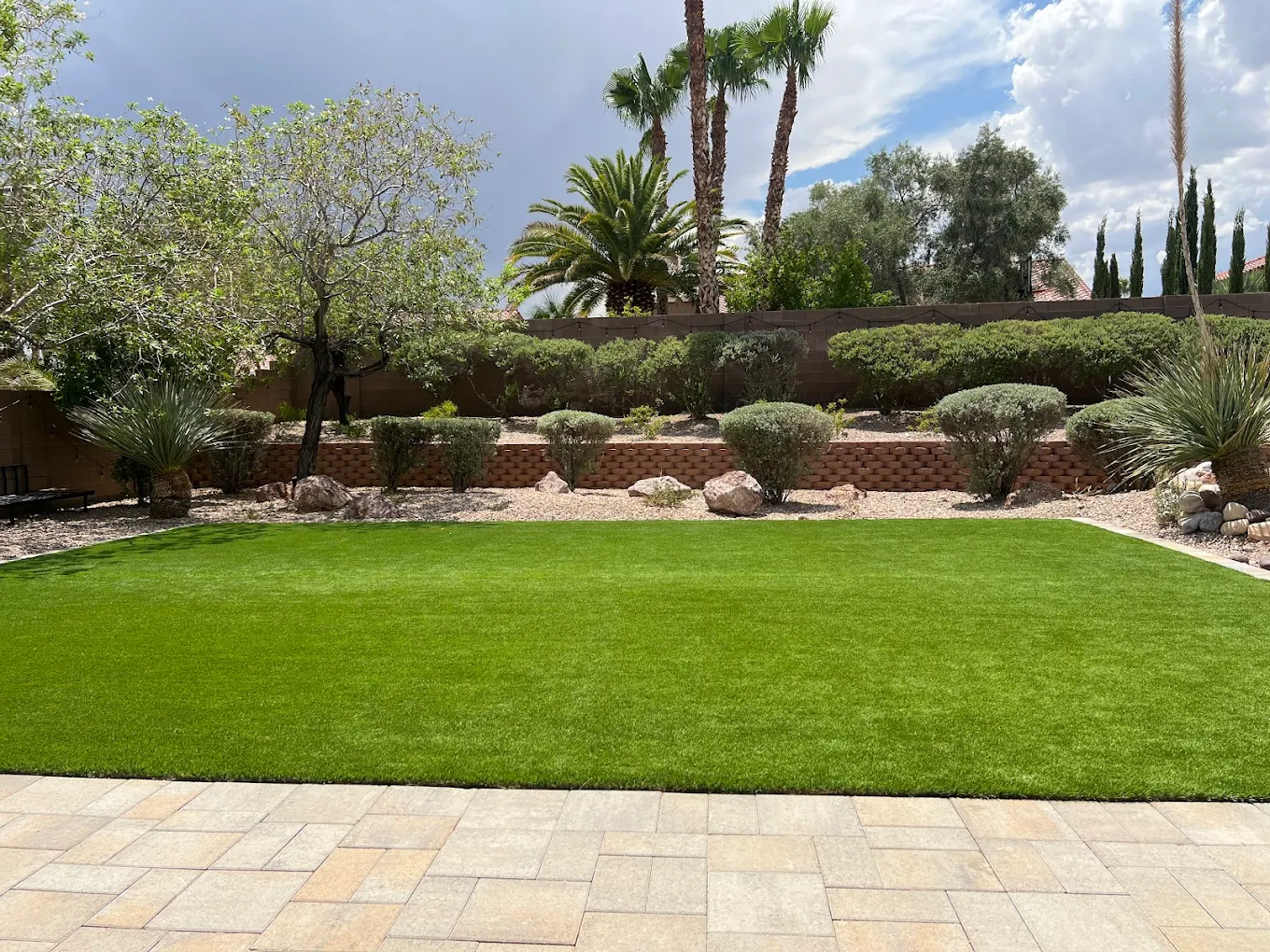
Weekly DIY upkeep takes about 20 to 45 minutes depending on your yard size and whether you have pets. Spring Valley homeowners with big dogs tend to spend closer to an hour handling waste removal, rinsing, and spot treatments. That is manageable for most families, though it does mean turf care ends up on your weekend to-do list every single week.
Attempting a deep clean yourself? Block out 4 to 6 hours of solid physical work, and you still will not match what the pros achieve. Between moving patio furniture, brushing every inch, applying products, and rinsing multiple times, most folks are wiped out by the end. And if you are a Summerlin homeowner trying this in June or July, you are honestly risking heat exhaustion working in those 105 to 115 degree afternoons.
Equipment and Products You Need for DIY
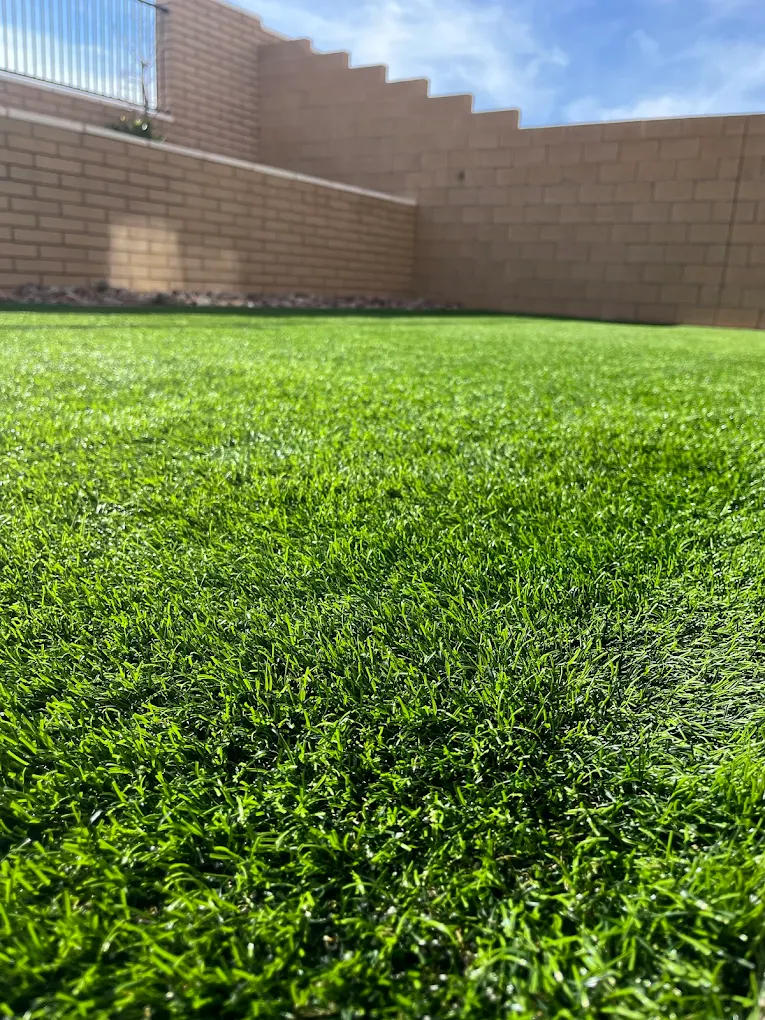
To do DIY turf care right, you need gear that is actually designed for synthetic surfaces. The wrong tools wreck your fibers, and cheap products are just money down the drain. Henderson homeowners are better off investing in quality items that last for years than cycling through flimsy alternatives that break or underperform.
Your startup kit runs about $120 to $250 for the basics plus your first round of cleaning supplies. After that, plan on $80 to $150 a year to restock cleaners, deodorizers, and brush heads. Those costs stay pretty flat whether you have 300 or 800 square feet, which makes DIY especially budget-friendly for smaller yards.
- Stiff-bristled push broom with synthetic bristles, not wire ($25 to $45)
- Power broom or turf rake for larger areas ($60 to $150)
- Garden hose with spray nozzle for regular rinsing ($15 to $30)
- Pet waste scoop and collection bags for daily removal ($10 to $20)
- Enzyme-based cleaner concentrate for organic stains ($15 to $30 per bottle)
- Turf-safe deodorizer spray or granules ($20 to $40 per container)
- Mild dish soap or specialized turf cleaner ($8 to $15)
- Leaf blower for debris removal in fall months ($80 to $200)
Common DIY Mistakes That Cost You More
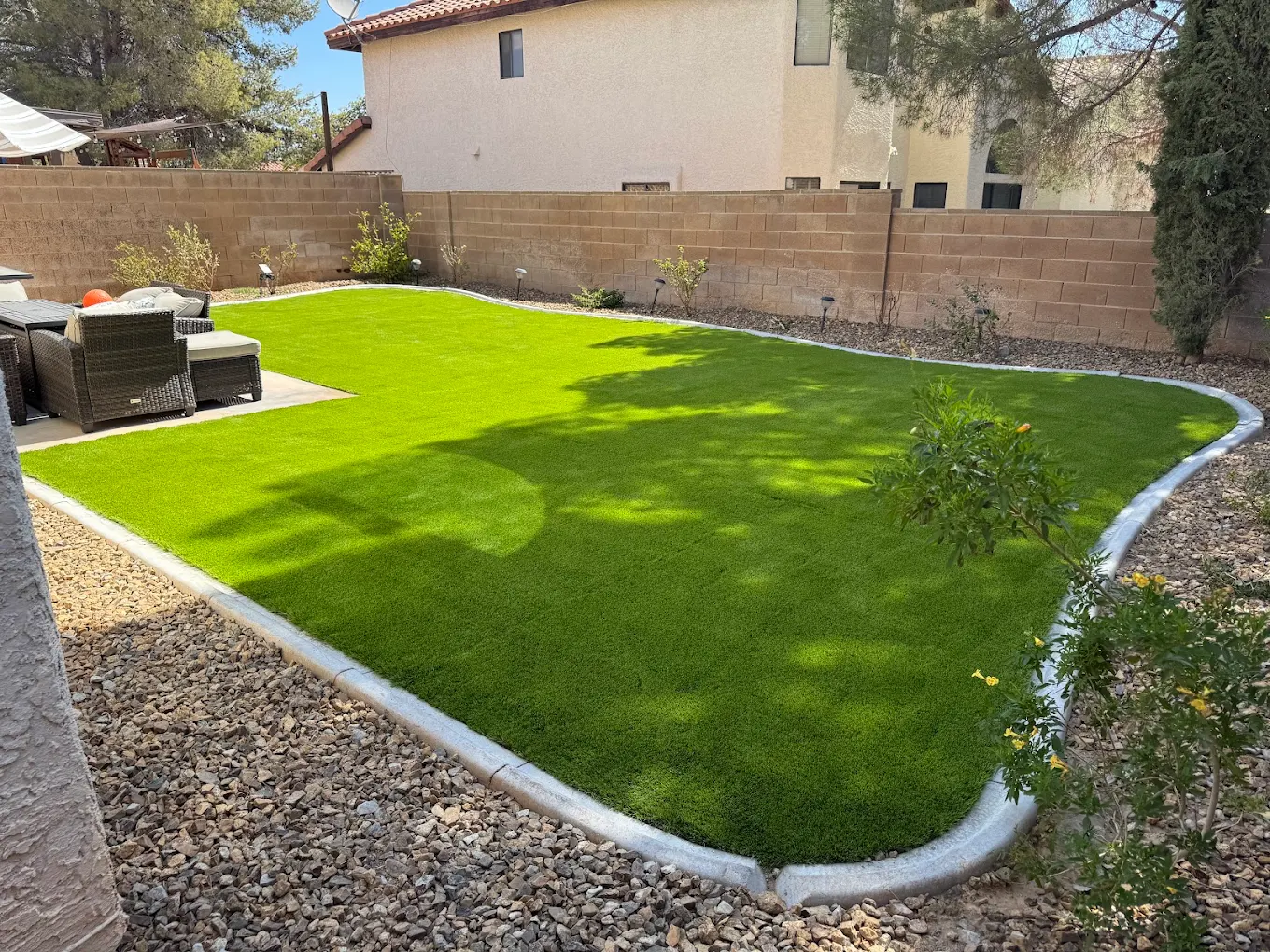
The most expensive DIY mistake is using pressure washers on artificial turf. High pressure dislodges infill, separates backing seams, and damages fiber tufting in ways that require thousands in repairs. Paradise homeowners have learned this lesson the hard way, facing $1,500 to $3,000 repair bills after weekend pressure washing sessions that seemed harmless at the time.
Wire brushes and metal rakes shred turf fibers, creating permanent damage visible as lighter-colored streaks and thinning areas. Bleach-based cleaners and harsh chemicals break down backing materials and accelerate UV degradation. Green Valley residents using pool chlorine to sanitize turf discover faded, brittle fibers within months, cutting turf lifespan in half through well-intentioned but destructive practices.
- Using pressure washers that displace infill and damage backing seams
- Scrubbing with wire brushes or metal rakes that shred synthetic fibers
- Applying bleach, harsh chemicals, or acidic cleaners that degrade materials
- Over-watering that creates drainage problems and promotes bacterial growth
- Ignoring manufacturer guidelines specific to your turf product and warranty
When to Call a Professional
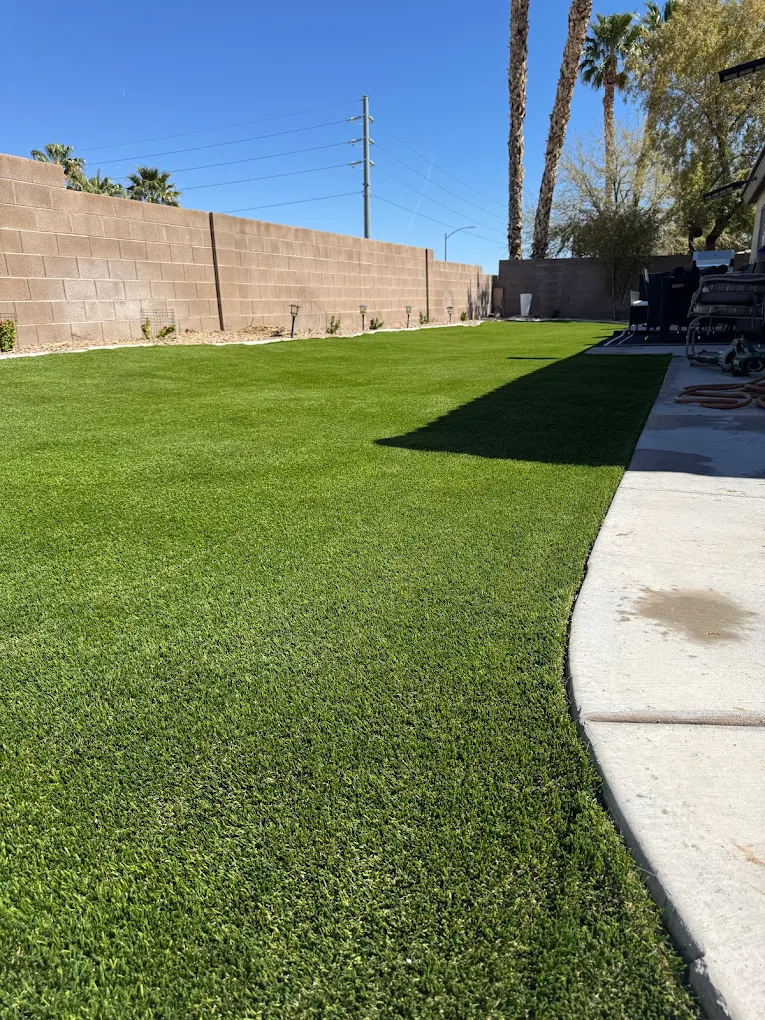
Certain situations require professional intervention regardless of your DIY capabilities. Persistent odors that return within days of cleaning indicate deep bacterial colonization that surface treatments cannot address. Summerlin homeowners battling recurring smells waste hundreds on deodorizing products when single professional extraction treatment solves the problem permanently for less total cost.
Visible matting in high-traffic areas, color changes suggesting UV damage, or drainage problems indicate issues beyond routine maintenance scope. Mountains Edge residents attempting to restore severely matted turf with consumer power brooms achieve minimal results after hours of work. Professional equipment and techniques restore pile height and appearance that DIY methods simply cannot match regardless of effort invested.
- Odors persisting more than 24 hours after thorough DIY cleaning attempts
- Visible matting or pile height loss in pathways and play areas
- Drainage problems creating standing water or slow-draining sections
- Infill displacement leaving bare spots or uneven surface texture
- Before selling your home to maximize curb appeal and value
- After tenant turnover or before special events requiring pristine appearance
If you see black spots, mold growth, or experience allergy symptoms when using your turf, stop DIY attempts and call professionals immediately. These indicate health hazards requiring proper sanitization.
The Smart Approach: Combine Both
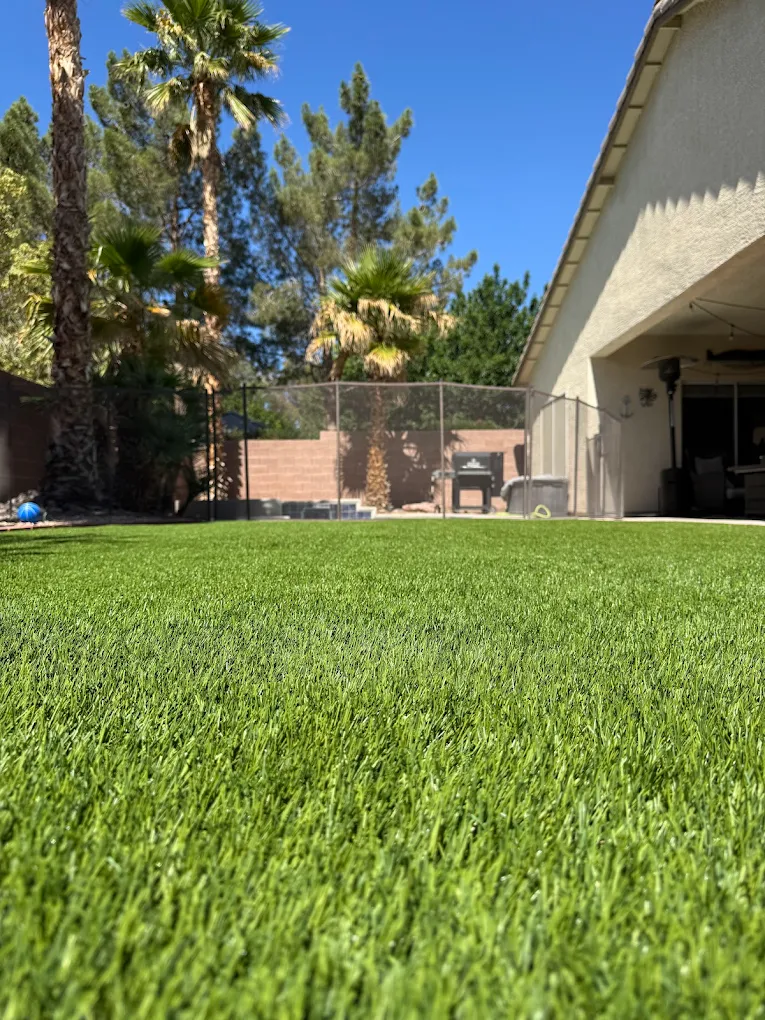
The most successful Henderson turf owners embrace hybrid maintenance combining weekly DIY care with quarterly professional deep cleaning. This approach maximizes turf lifespan and appearance while minimizing total time and cost investment. Centennial Hills homeowners using this strategy enjoy consistently beautiful, sanitary turf without the burnout of attempting all maintenance themselves or the expense of excessive professional service.
Think of turf maintenance like car care: you handle weekly washing and interior cleaning, while professionals perform seasonal detailing and deep maintenance. This division of labor makes sense financially and practically. Your weekly efforts prevent major problems, while professional treatments address what consumer equipment cannot reach. The result is turf that looks and performs like new for 15 to 20 years instead of degrading noticeably within a decade.