Understanding Artificial Turf Fiber Materials
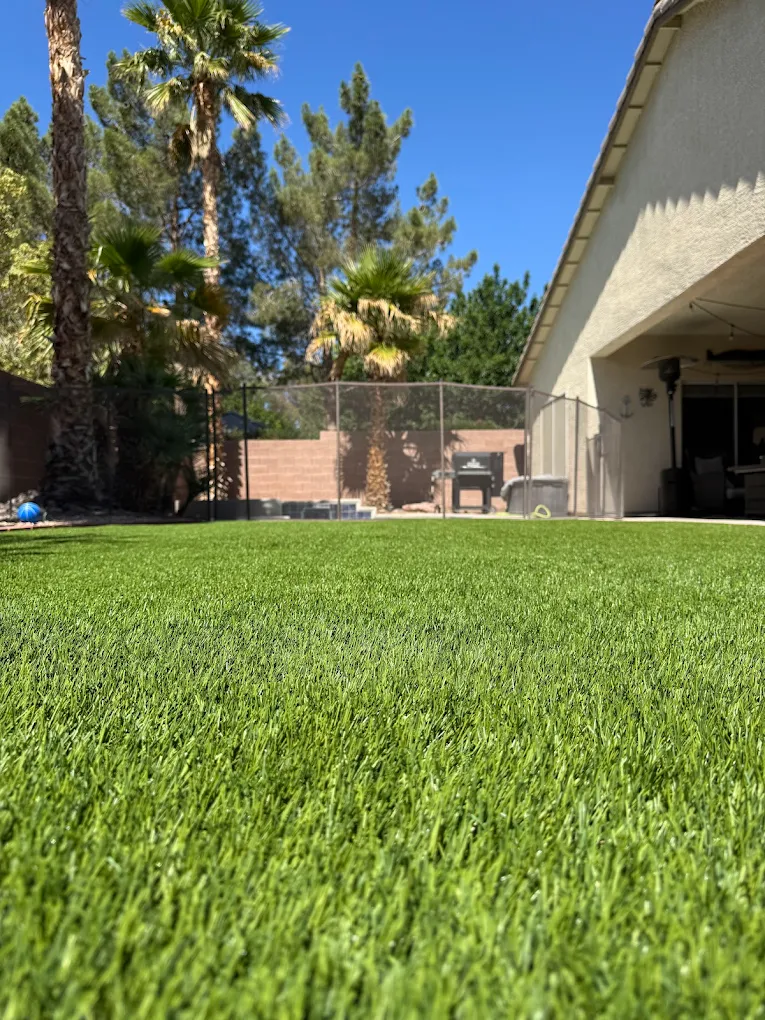
The fiber material in your artificial turf determines how it looks, feels, performs, and lasts in the demanding Henderson climate. The two most common fiber types are nylon and polyethylene, and each brings distinct advantages and trade-offs to the table. A third option, polypropylene, exists at the budget end of the market but is rarely recommended for Henderson installations due to its poor heat and UV resistance.
Most homeowners in Summerlin, Henderson, and across the valley do not realize that fiber choice affects everything from surface temperature to cleaning requirements. Understanding the technical differences between nylon and polyethylene helps you select a turf product that will perform optimally in desert conditions for years to come. This knowledge also helps you evaluate installer recommendations and avoid overpaying for features you do not need.
In the Henderson market, polyethylene dominates residential installations while nylon holds strong in specialty applications. But the decision is not always straightforward, and the right choice depends on where the turf will be installed, how it will be used, and what your priorities are for feel versus durability.
Nylon Turf: Strengths and Weaknesses
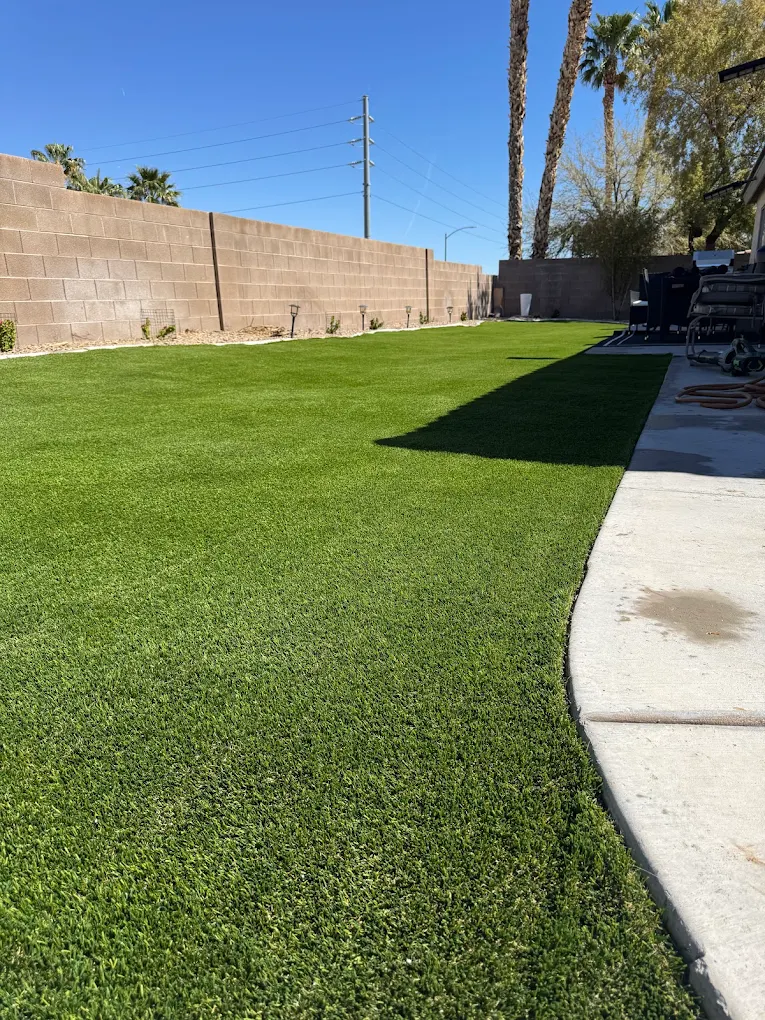
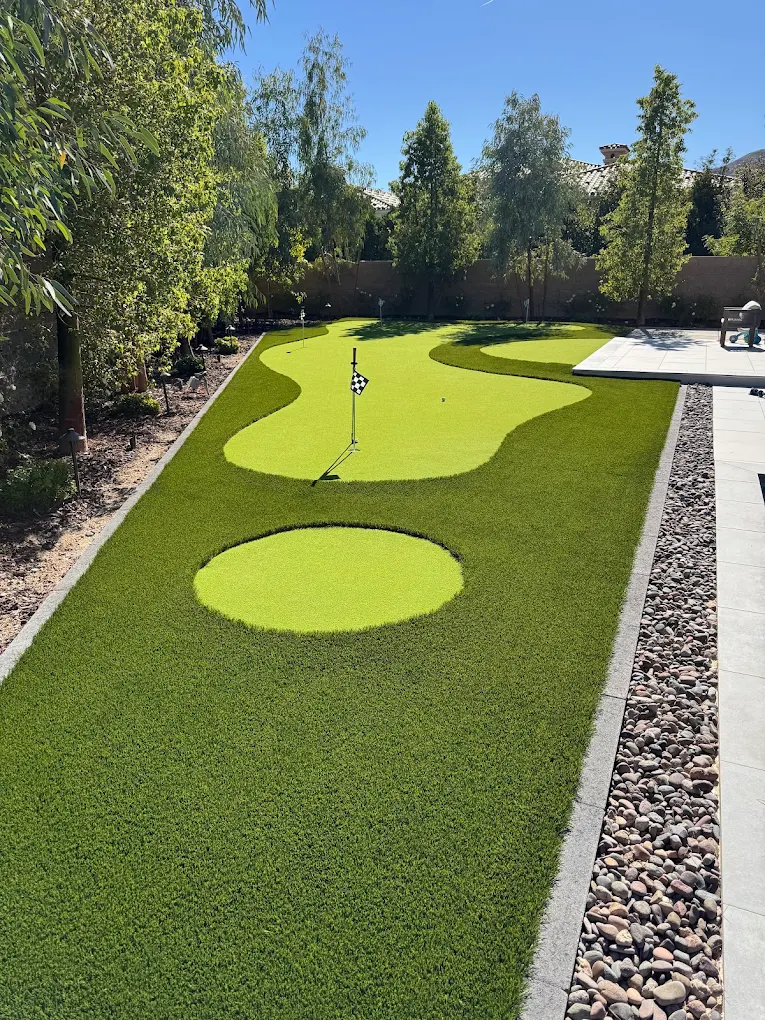
Nylon is the strongest and most resilient artificial turf fiber available. Its molecular structure gives it exceptional memory, meaning fibers spring back to their upright position after being compressed by foot traffic, furniture, or heavy use. This resilience makes nylon the preferred material for putting greens, sports fields, and high-traffic commercial areas across Henderson from the Strip to North Henderson business parks.
Nylon has notable drawbacks for residential Henderson installations. It absorbs more heat than polyethylene, making it uncomfortably hot during summer months. It also absorbs moisture more readily, which can promote bacterial growth and odor retention in pet areas. Nylon turf typically costs 20 to 40 percent more than comparable polyethylene products, and its stiffer feel underfoot is less comfortable for barefoot use in backyard settings.
- Superior fiber memory and resilience under heavy traffic
- Excellent durability with 20 plus year lifespan potential
- Best choice for putting greens and sports applications
- Higher surface temperature in direct Henderson sun
- Absorbs moisture, potentially retaining odors in pet areas
- Stiffer feel underfoot compared to polyethylene
Polyethylene Turf: Strengths and Weaknesses
Polyethylene is the most popular residential turf fiber in Henderson for good reason. It delivers a soft, natural feel underfoot that closely mimics real grass, making it the top choice for family backyards, play areas, and pet zones throughout neighborhoods like Green Valley, Enterprise, and Southern Highlands. Its non-absorbent fiber structure resists moisture retention, which means it dries faster after rinsing and resists odor buildup better than nylon.
Polyethylene also runs cooler than nylon in direct sun, which matters enormously when Henderson surface temperatures can determine whether you can use your backyard from June through September. Modern polyethylene turf products incorporate UV stabilizers that maintain color and structural integrity for 15 to 20 years in desert conditions. The main weakness is fiber memory. Polyethylene fibers flatten more readily under consistent pressure from furniture legs or concentrated foot traffic and are slower to recover their upright position.
- Softer, more natural feel that mimics real grass
- Cooler surface temperature than nylon in direct sun
- Non-absorbent fibers resist moisture and odor retention
- Lower cost than comparable nylon products
- Weaker fiber memory, fibers flatten under sustained pressure
- Slightly shorter lifespan than nylon, typically 15 to 20 years
Want Us to Handle It Instead?
Get a free quote for your Henderson property. Same-day appointments available.
Performance in Henderson Desert Conditions
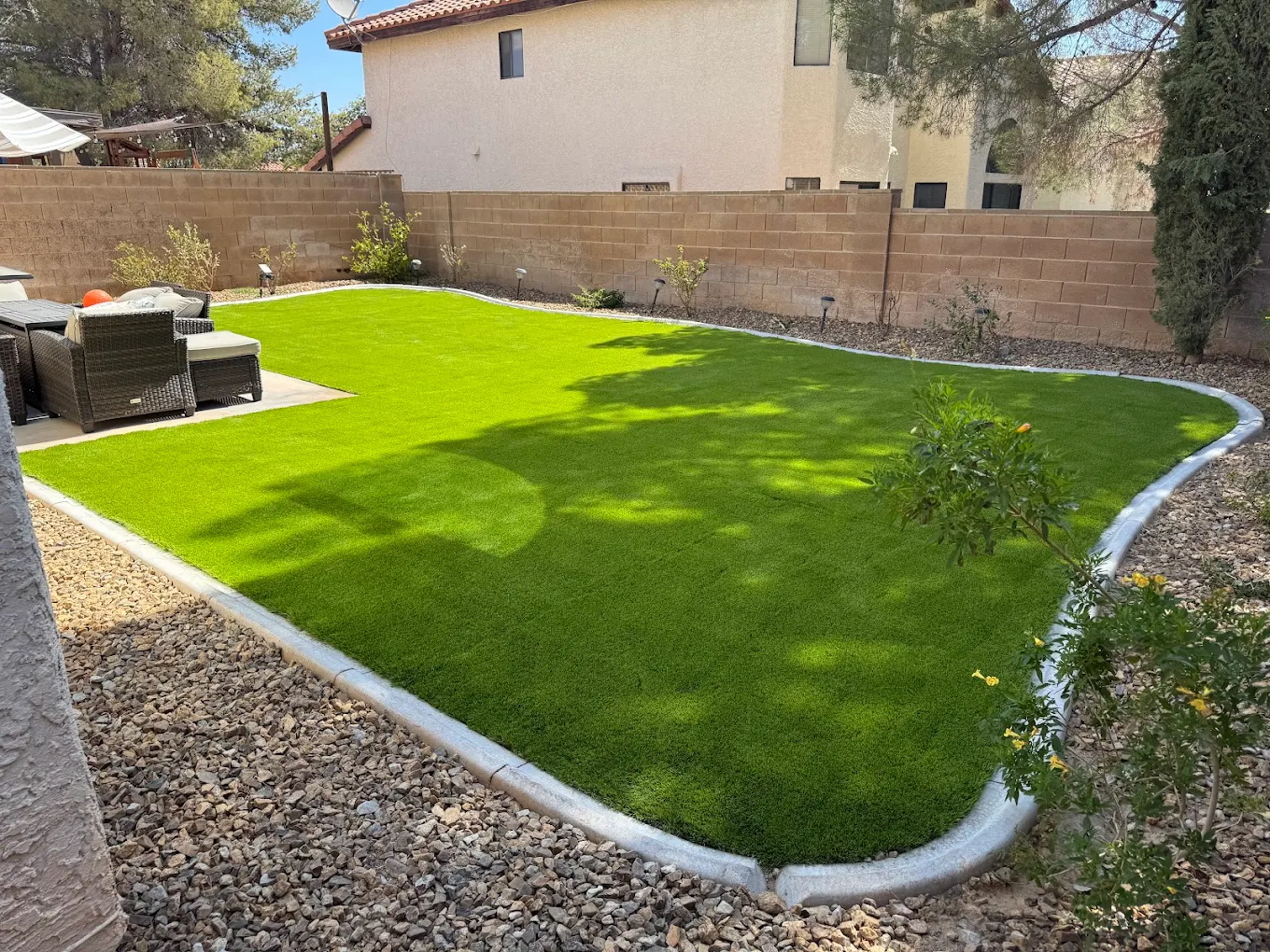
The Henderson climate tests turf materials more severely than almost any other market in the country. With UV index ratings regularly hitting 10 or 11 during summer and surface temperatures exceeding 150 degrees, fiber degradation is a real concern for both materials. Polyethylene with high-quality UV stabilizers holds up remarkably well, maintaining color and flexibility for 15 to 20 years. Nylon resists physical wear better but can become brittle faster under extreme UV without proper stabilization.
Thermal expansion and contraction also affect both fibers differently. Henderson turf surfaces can swing from near-freezing winter morning temperatures to scorching summer afternoon heat, creating stress on fiber bonds and backing materials. Polyethylene handles this thermal cycling slightly better due to its greater flexibility, while nylon rigidity can lead to minor fiber splitting over many years of desert exposure. For most residential applications in Paradise, Centennial Hills, and Spring Valley, polyethylene delivers the best overall desert performance.
Some premium turf products blend nylon and polyethylene fibers to capture the strengths of both materials. These hybrid products combine nylon resilience with polyethylene softness and heat performance, though they come at a higher price point.
Cleaning and Maintenance Differences
Fiber material directly affects how you clean and maintain your turf. Polyethylene non-absorbent surface releases stains, pet waste residue, and cleaning solutions more easily during rinsing. This makes routine maintenance faster and more effective, particularly for pet owners in Henderson and Summerlin who need to manage waste cleanup daily. Enzymatic cleaners work especially well on polyethylene because the solution stays on the surface rather than being absorbed into the fiber.
Nylon absorbent nature means it requires more thorough rinsing after cleaning and can retain odors if not maintained diligently. Pet waste areas on nylon turf benefit from more frequent enzymatic treatments and professional deep cleaning. On the positive side, nylon superior resilience means brushing and grooming produce more immediate, longer-lasting results in restoring fiber position after heavy traffic.
Which Fiber Type Should You Choose?
For the vast majority of Henderson residential installations, polyethylene is the better choice. It delivers the soft, natural feel families want, stays cooler in desert heat, resists odors for pet owners, costs less, and maintains its appearance well with basic maintenance. If your backyard serves as a family gathering space, pet area, or general-purpose yard in neighborhoods like Boulder City, North Henderson, or Spring Valley, polyethylene turf will serve you well for 15 to 20 years.
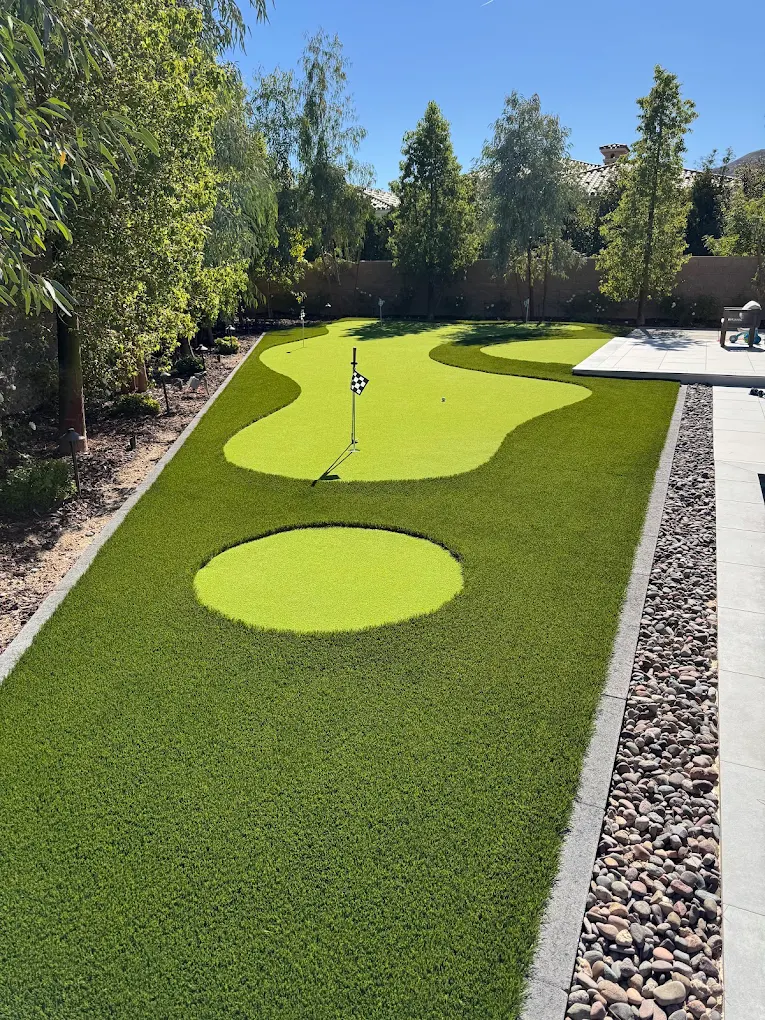
Choose nylon when durability under heavy or specialized use is the priority. Putting greens, bocce courts, sports practice areas, and high-traffic commercial zones all benefit from nylon superior fiber memory and wear resistance. Some homeowners install nylon in concentrated high-traffic zones like entryways and play equipment areas while using polyethylene for the broader yard, combining the strengths of both materials.
Regardless of which fiber you choose, prioritize products with robust UV stabilization rated for desert climates. The UV package matters more than almost any other specification for Henderson turf longevity, and skimping here to save money upfront will cost you significantly in premature replacement.
Always ask your installer for the turf product UV stabilization rating, measured in UV hours. For Henderson, look for products rated at 3,000 or more UV hours to ensure adequate longevity in our extreme sun exposure.