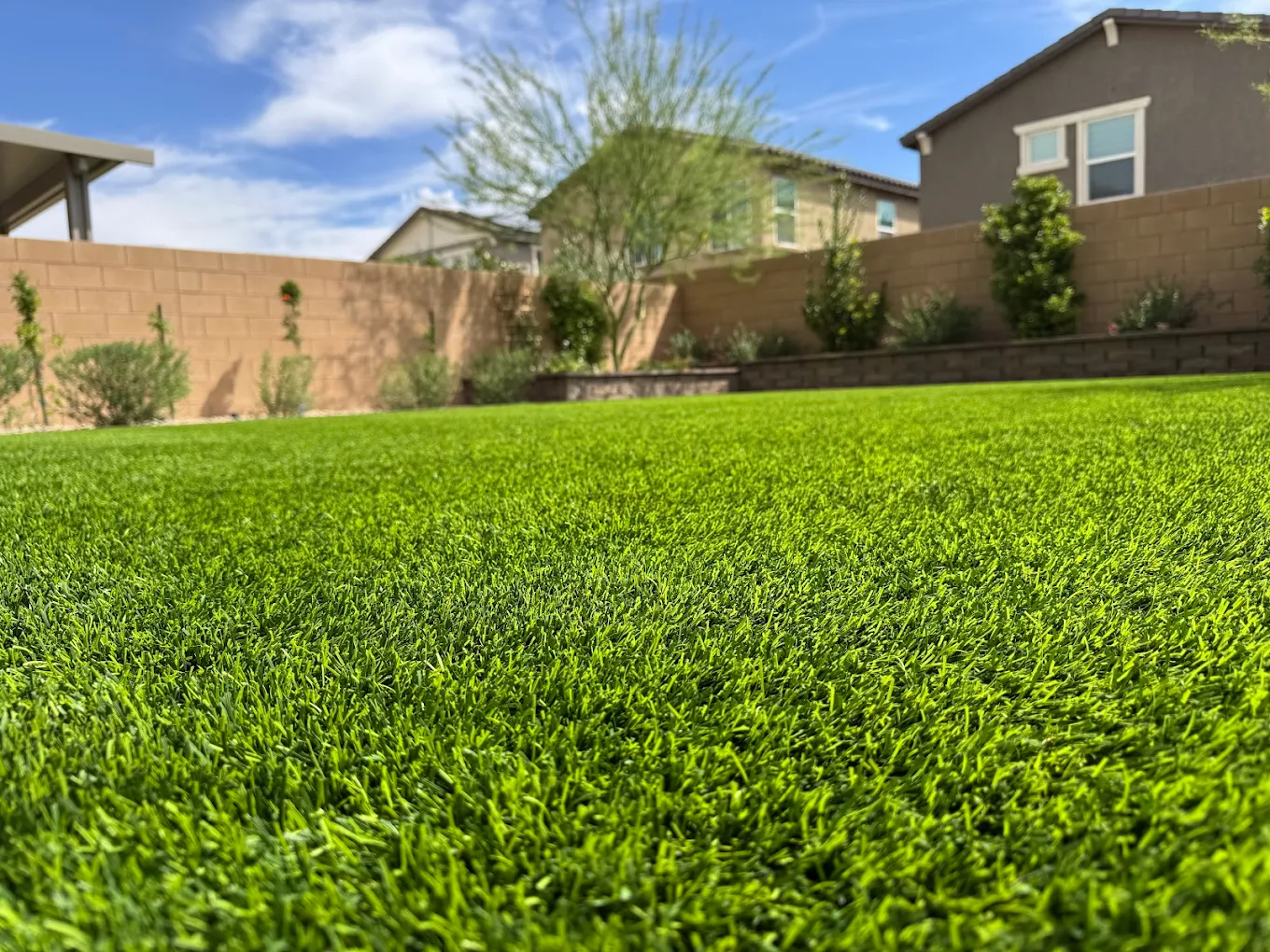
Why Brushing Your Artificial Turf Matters
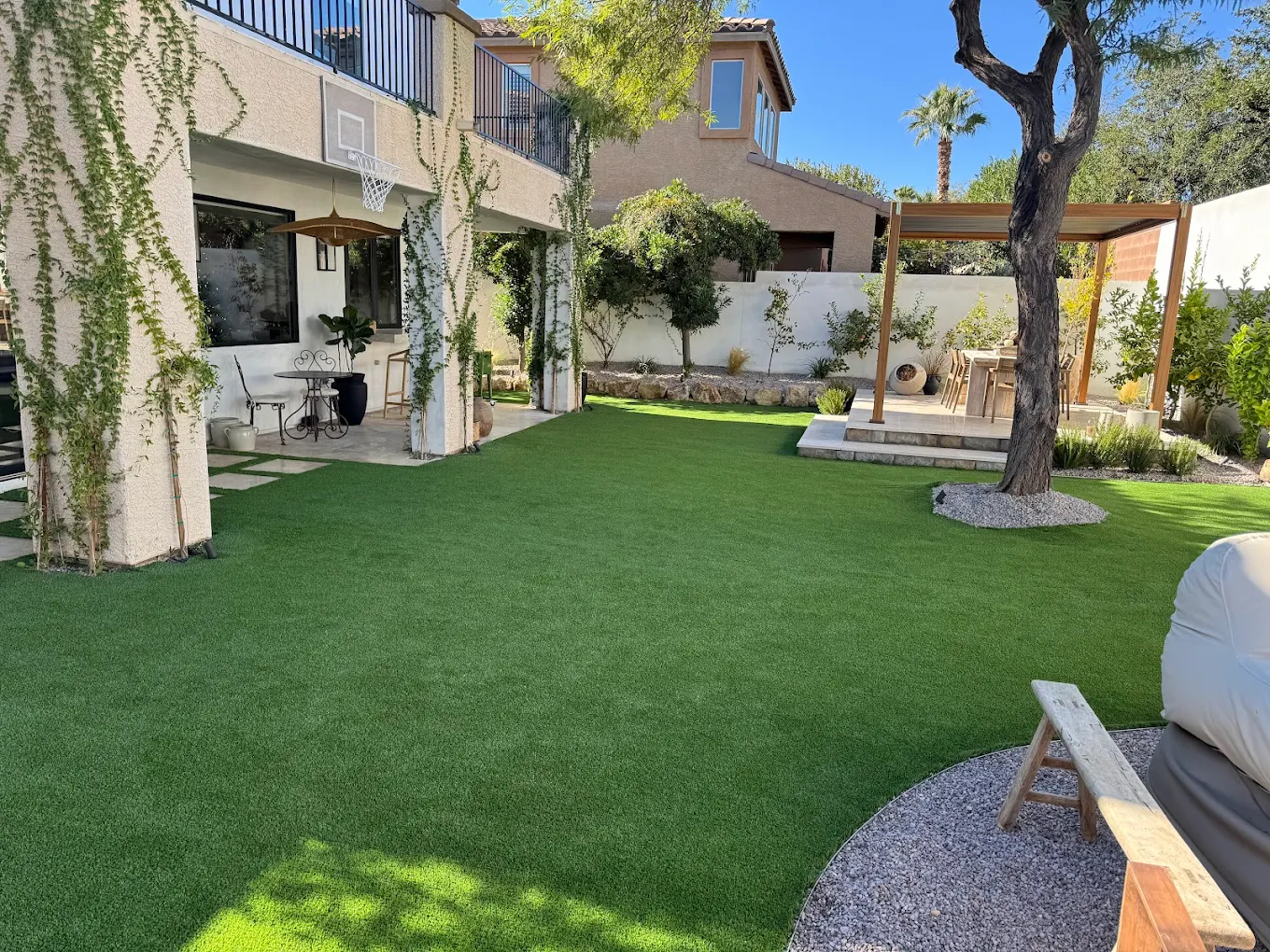
Brushing is the cornerstone of artificial turf maintenance, yet it is the step most Henderson homeowners overlook or skip entirely. Regular brushing keeps turf fibers standing upright, distributes infill evenly, and prevents the compacted, matted appearance that makes synthetic grass look old before its time. In the Henderson valley, where foot traffic patterns are concentrated on paths between the house, pool, and outdoor living areas, brushing is especially critical for maintaining a natural, uniform look.
Beyond aesthetics, brushing serves several functional purposes that directly affect the lifespan and performance of your turf. Upright fibers promote better drainage by preventing a sealed surface layer. That matters during the occasional but intense monsoon rains that hit Seven Hills and Green Valley between July and September. Brushing also loosens compacted infill, helping it continue to support fibers and provide the cushioning and ballast your turf system needs to perform correctly.
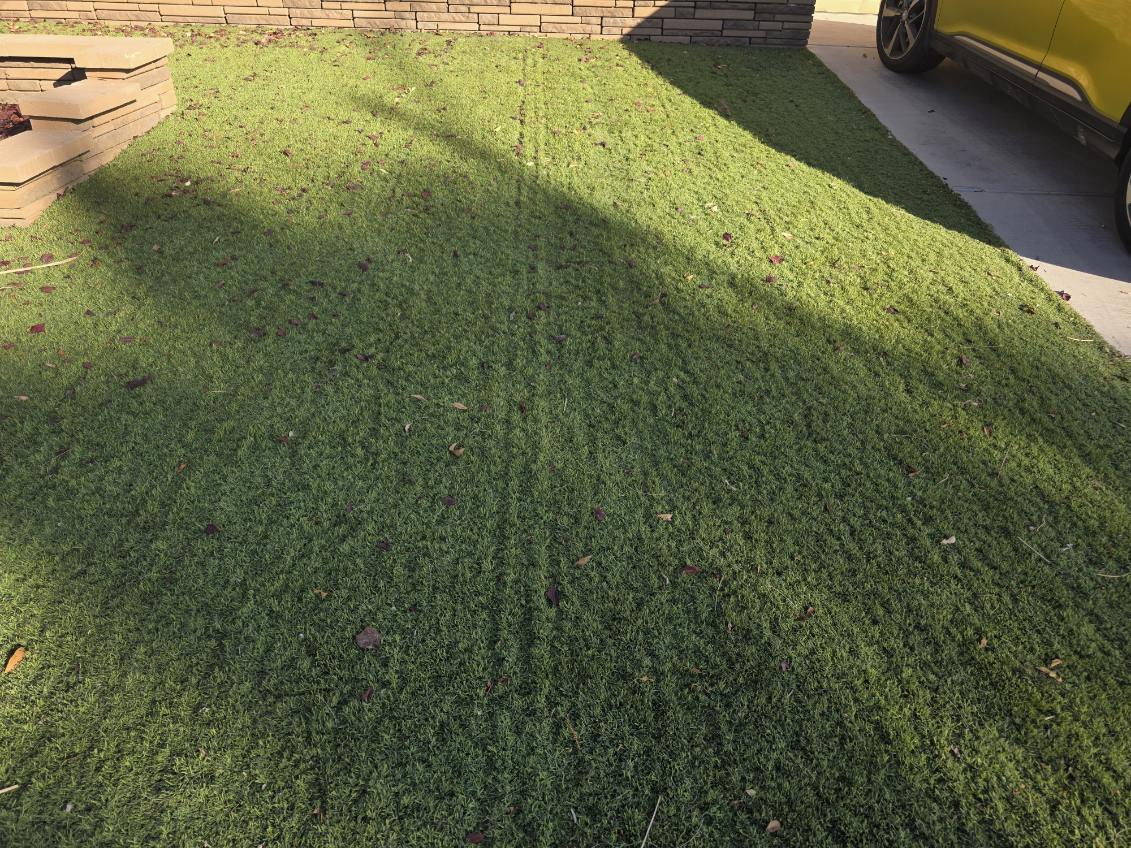
Without regular brushing, Henderson artificial turf develops what professionals call traffic memory. Those are permanent flat spots where fibers have been trained downward by repeated foot pressure. Once traffic memory sets in, fibers lose their ability to bounce back on their own. Professional intervention may be needed to restore them. A simple brushing routine prevents this problem entirely.
Choosing the Right Brush for Your Turf
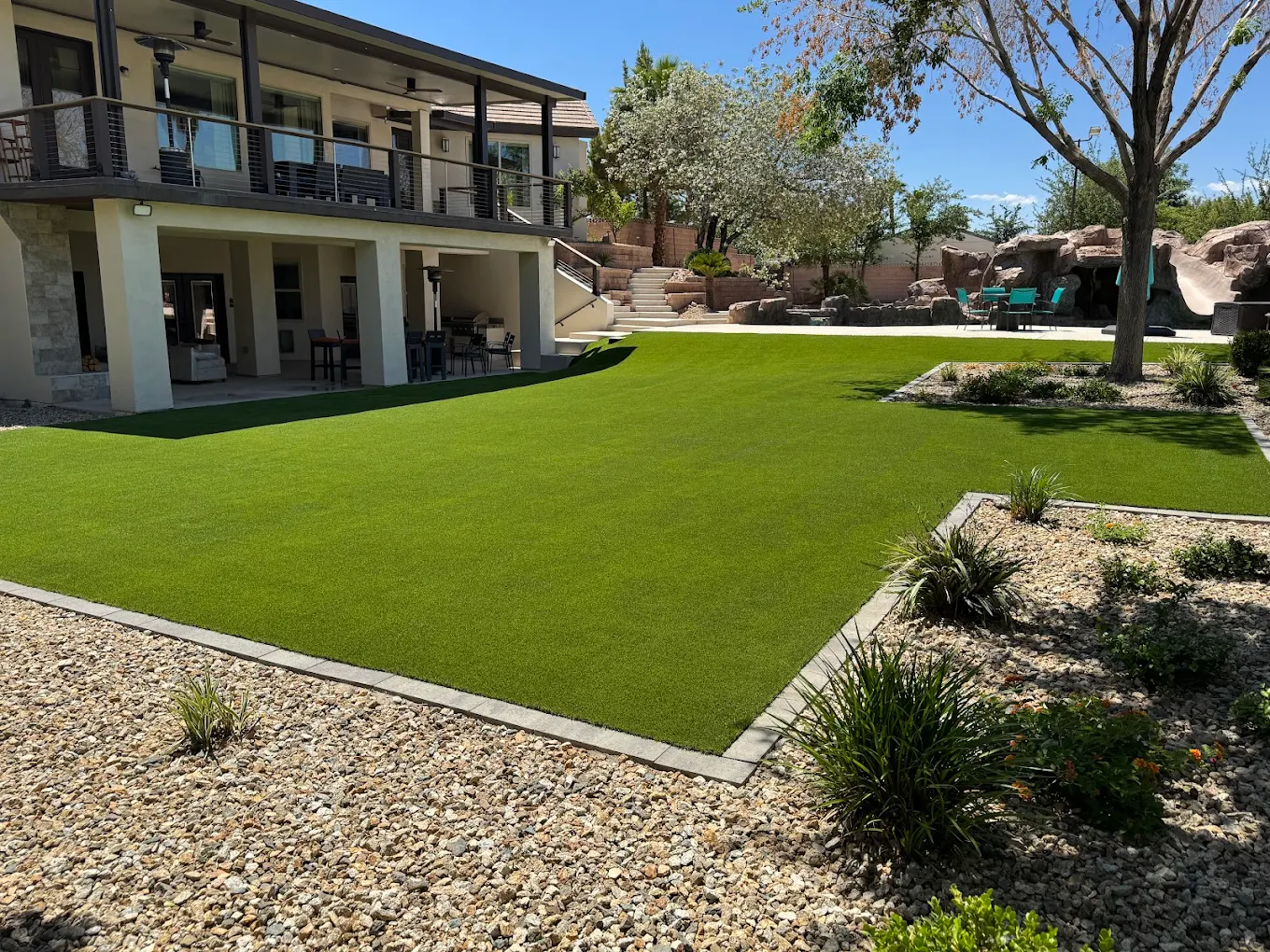
Not all brushes are created equal when it comes to artificial turf. Using the wrong type can actually cause damage. The ideal turf brush has synthetic bristles, typically nylon or polypropylene, that are stiff enough to lift fibers but flexible enough not to pull them out of the backing. Wire bristled brushes and metal rakes should never be used on artificial turf as they can tear fibers and damage the backing material.
For residential installations in Anthem, Lake Las Vegas, and throughout the valley, a push broom style brush between 18 and 24 inches wide is the most practical choice. Larger commercial width brushes cover more ground but can be difficult to maneuver around landscaping features, putting greens, and pool decks. Many turf owners in MacDonald Ranch and Inspirada also keep a smaller hand brush for spot grooming around edges, seams, and hard to reach areas near walls and planters.
- Synthetic bristle push broom (18 to 24 inches) for general residential grooming
- Turf specific power broom for large installations and severe matting
- Hand brush with stiff nylon bristles for edges and detail work
- Turf rake with flexible tines for light grooming and debris removal
- Avoid wire bristles, metal rakes, and stiff natural fiber brooms
Proper Brushing Technique
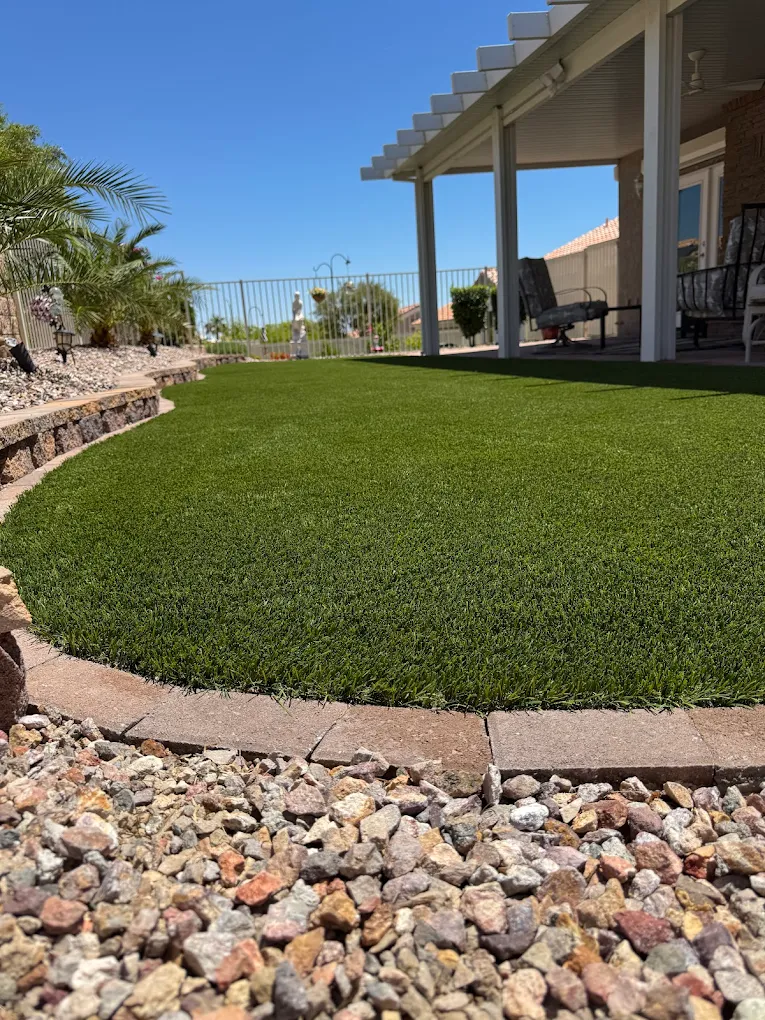
The most important rule of turf brushing is to always brush against the grain of the fibers. Artificial turf is manufactured with fibers that lean in one direction. Brushing with the grain simply pushes them flatter. By brushing against the grain, you lift fibers back to their upright position and restore their natural bounce and appearance. Stand at one end of your lawn and push the brush away from you in overlapping strokes, working systematically across the entire surface.
Apply moderate, consistent pressure as you brush. Pressing too hard can pull fibers from the backing or displace infill. Too little pressure will not effectively lift matted areas. Let the bristles do the work. Focus on maintaining even strokes rather than aggressive scrubbing. For badly matted areas in high traffic zones, make multiple passes from different angles rather than bearing down harder on a single pass.
Brush your turf in the early morning or evening when temperatures are cooler. Turf fibers are more pliable in moderate temperatures, making brushing more effective and reducing wear on both you and the turf.
Want Us to Handle It Instead?
Get a free quote for your Henderson property. Same-day appointments available.
How Often Should You Brush Henderson Turf?
The ideal brushing frequency depends on how much use your turf gets. As a general guideline, Henderson homeowners should brush their entire lawn at least every two weeks. High traffic areas such as pathways, play zones, and the space between sliding doors and outdoor seating may benefit from weekly brushing. Homes with active pets or children in neighborhoods like Cadence and Green Valley may need even more frequent attention in areas that see constant use.
Seasonal factors also affect brushing frequency in the Henderson valley. During spring wind season from March through May, dust and debris accumulation accelerates, often requiring additional brushing sessions. After summer monsoon storms, a thorough brushing helps redistribute displaced infill and lift fibers that have been flattened by heavy rain. Adjusting your schedule to account for these desert climate patterns keeps your turf looking consistently fresh year round.
Power Brushing for Severe Matting
When manual brushing is not enough to restore severely matted turf fibers, a power broom can provide the extra muscle needed. Power brooms are motorized rotating brush units that spin at high speed, aggressively lifting fibers that have been compacted over months or years of use without proper maintenance. They are particularly effective on older installations throughout Seven Hills and Anthem where previous owners may have neglected routine grooming.
Power brushing should be used judiciously because the aggressive action can cause excessive wear if overdone. Most turf professionals recommend power brushing no more than two to three times per year as a supplement to regular manual brushing. If you are considering purchasing a power broom, ensure it has adjustable height and speed settings so you can tailor the intensity to your specific turf type and condition. For most homeowners, renting a power broom once or twice a year or hiring a professional is more cost effective than purchasing one.
Power brooms set too low or used too aggressively can pull fibers from the backing and displace large amounts of infill. Always start with the lightest setting and adjust gradually.
Common Brushing Mistakes to Avoid
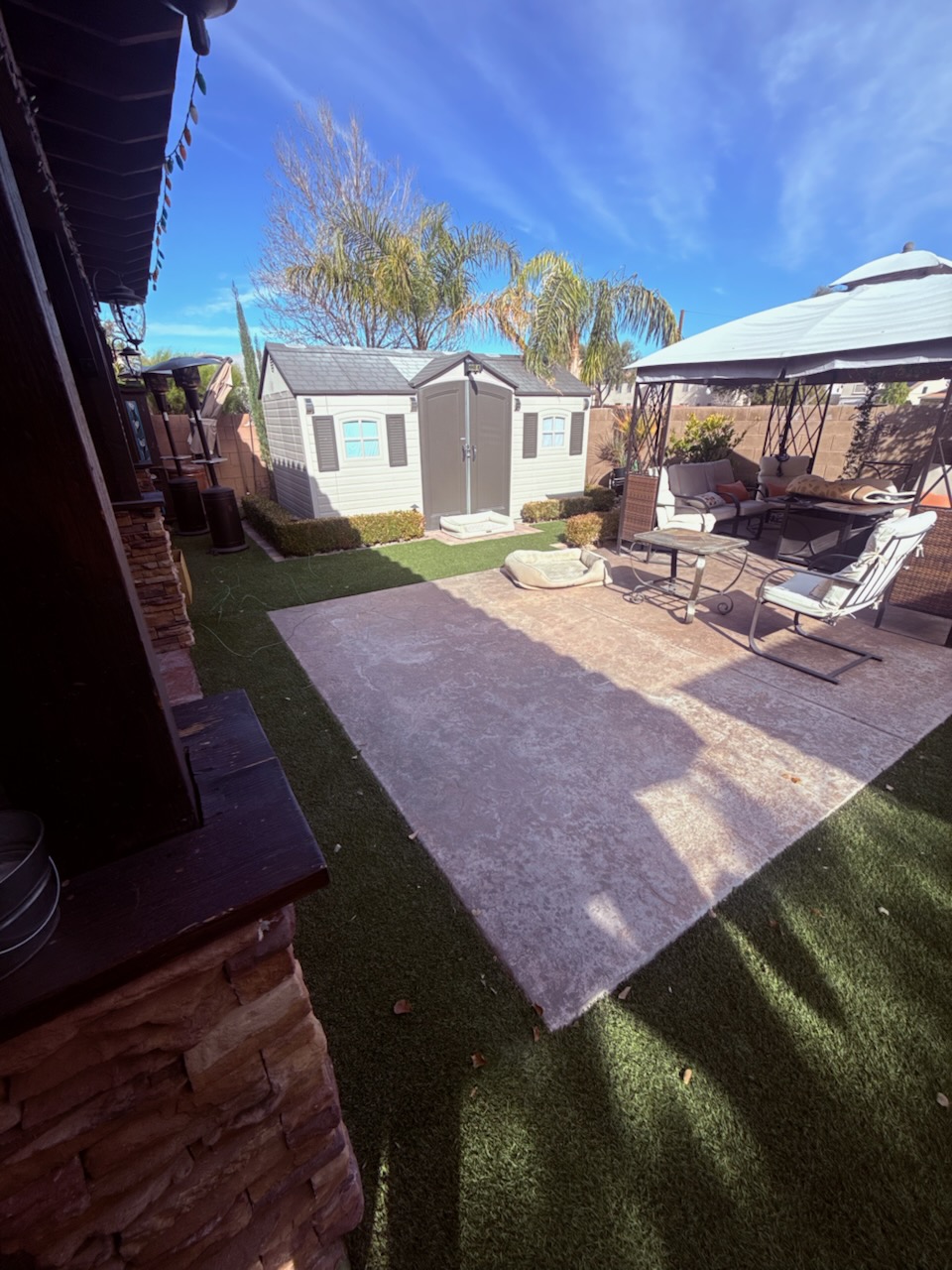
The most prevalent brushing mistake Henderson homeowners make is simply not doing it at all. They assume that artificial turf is truly zero maintenance. Synthetic grass certainly requires less effort than natural lawns. But the idea that it needs no care is a myth that leads to premature aging and costly restoration work. Setting a recurring reminder on your phone or calendar can help establish the habit.
Other common mistakes include brushing with the grain instead of against it, using wire or metal brushes that damage fibers, and brushing during the hottest part of the day when turf surfaces in Lake Las Vegas and MacDonald Ranch can reach temperatures above 150 degrees Fahrenheit. Brushing hot turf is uncomfortable for you. It can actually cause fiber tips to fuse or curl, creating permanent damage. Stick to mornings or evenings, use the right tools, and maintain a consistent schedule for the best results.