What Is Artificial Turf Infill and Why It Matters
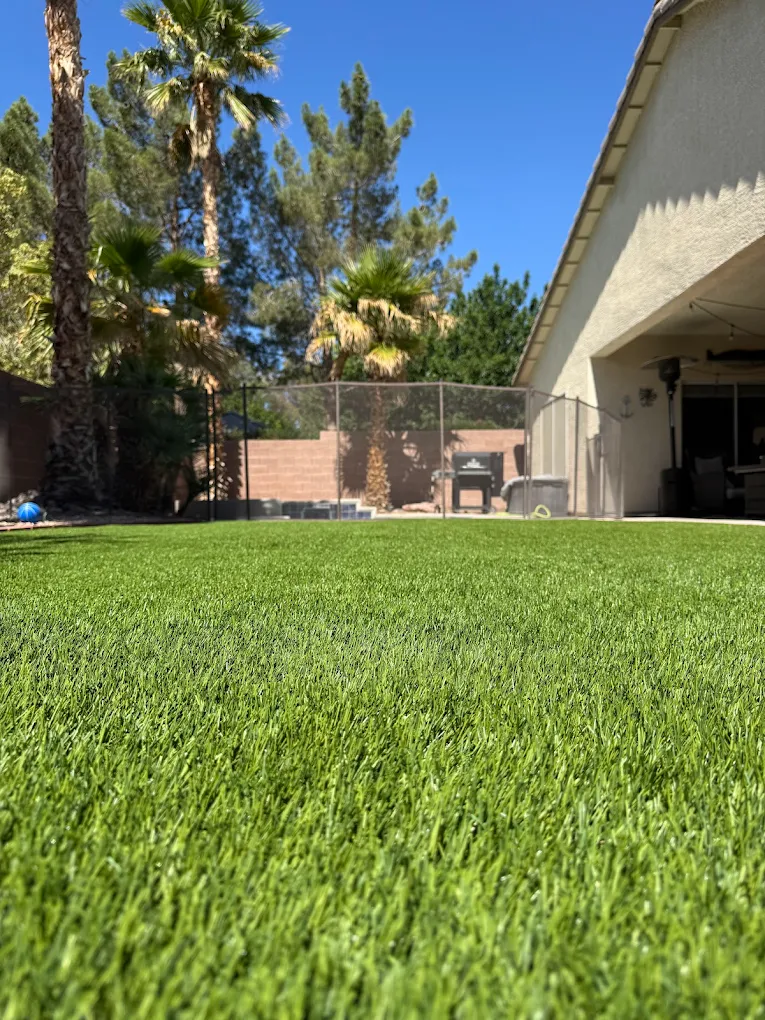
Here is something most people never think about: that granular stuff tucked between your turf blades does a ton of heavy lifting. Infill keeps your turf anchored so it will not shift or wrinkle, props fibers upright so they look lush, adds cushioning when you walk on it, and keeps drainage channels open so water flows through properly. Skip infill maintenance on your Henderson property and you will watch your investment deteriorate fast.
Picture infill as the foundation holding everything together beneath the surface. Just like a house needs solid footing, your turf fibers depend on infill to stay upright and perform well. Once levels start dropping, problems show up quick. Fibers lose support and flatten out, water pools instead of draining, wrinkles appear from heat expansion, and the whole lawn starts feeling hard and fake underfoot.
Living in Henderson means your infill faces challenges that folks in other climates do not deal with. Desert wind gusts slowly blow fine particles away, especially along edges and open sections of yards in Spring Valley and Paradise. The brutal heat makes certain infill types expand and compact over and over, gradually shrinking their effective volume. When you understand these desert-specific dynamics, you can stay ahead of problems instead of scrambling to fix them.
Types of Infill Used in Henderson
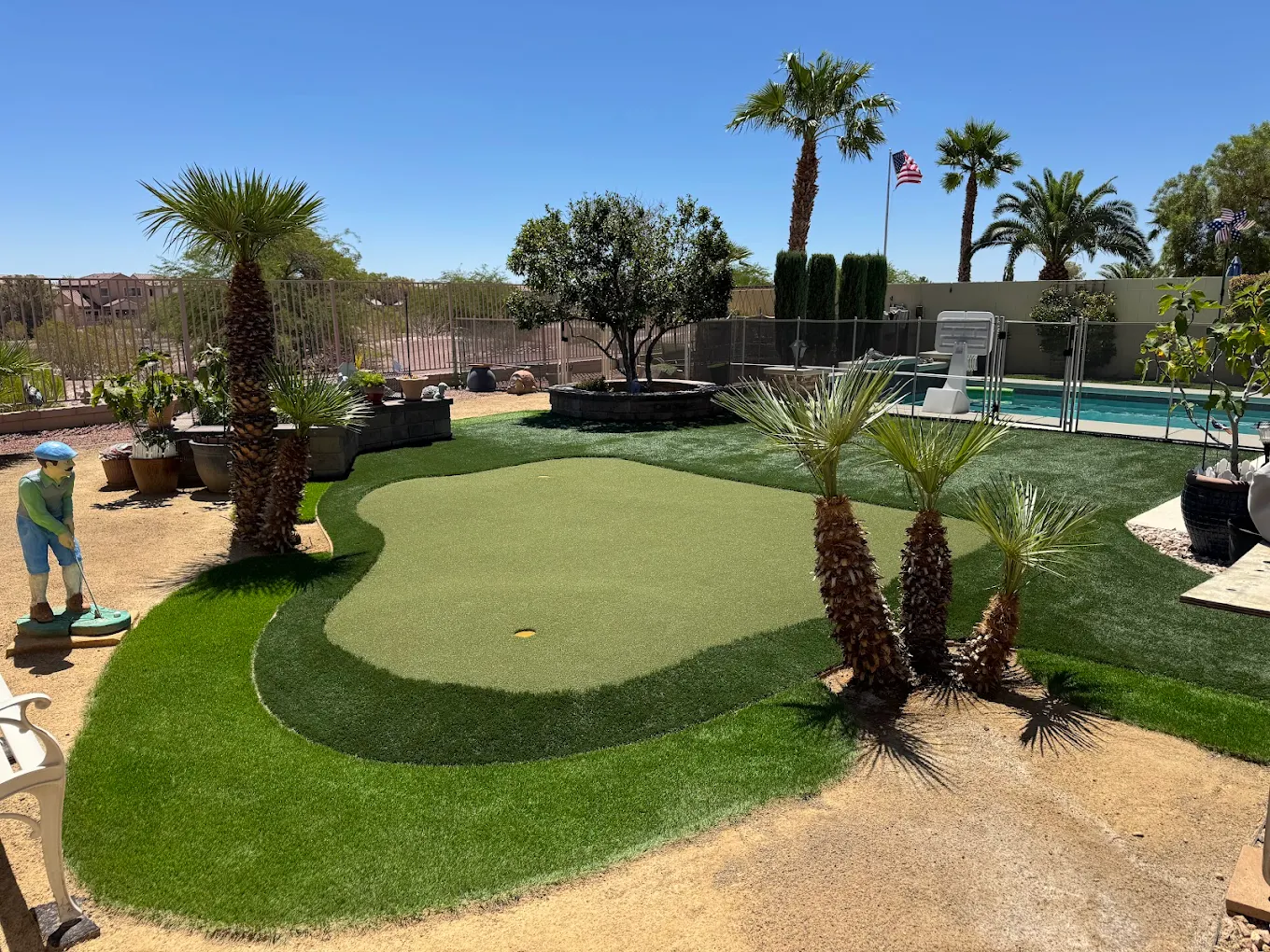
You will find a handful of infill materials around Henderson, and each one has its own personality. Silica sand is by far the most popular because it drains well, weighs enough to hold things down, and will not break the bank. It handles our scorching climate pretty well since it does not soak up heat like darker materials and holds up against UV exposure. Most residential yards in Green Valley, Enterprise, and Centennial Hills run with silica sand as their go-to infill.
Crumb rubber gives you better cushioning and is common on playgrounds and sports fields, but it absorbs and holds heat way more than sand, making it miserable on a Henderson summer afternoon. Zeolite-coated infill has become a favorite for pet areas since it naturally kills ammonia odors from urine. Newer organic options like coconut fiber and cork are popping up too, though the jury is still out on how they hold up long-term in extreme desert conditions.
- Silica sand: The popular pick. Affordable, drains great, moderate heat retention
- Crumb rubber: Excellent cushioning but gets scorching hot. Best under shade
- Zeolite-coated sand: Fights pet odors naturally. Perfect for dog areas
- Durafill sand: Rounded grains that drain well and resist compaction
- Organic options like cork or coconut: Eco-friendly and cooler, but pricier
How to Check and Monitor Infill Levels
Checking your infill levels is super easy and should be part of your regular routine. Just part the turf fibers in a few spots around your lawn and measure from the top of the backing to the top of the infill. On most residential installations, infill should sit about half an inch to three-quarters of an inch below the fiber tips. If you can see a bunch of backing material or the infill sits more than an inch below the tips, time to top things off.
Hit at least six to eight different spots, including high-traffic zones, edges, and open central areas. Infill levels almost never stay uniform because wind, foot traffic, and rain shift material around unevenly. The lowest spots usually show up along wind-exposed edges, busy walkways, and wherever water concentrates during rain or irrigation. If you live in North Henderson or Boulder City where wind exposure runs higher, check more frequently than folks in sheltered neighborhoods.
Make a simple infill map of your yard by measuring depth at the same marked spots every quarter. It helps you spot trouble areas early and see how fast infill disappears in different zones.
Want Us to Handle It Instead?
Get a free quote for your Henderson property. Same-day appointments available.
How to Add and Redistribute Infill
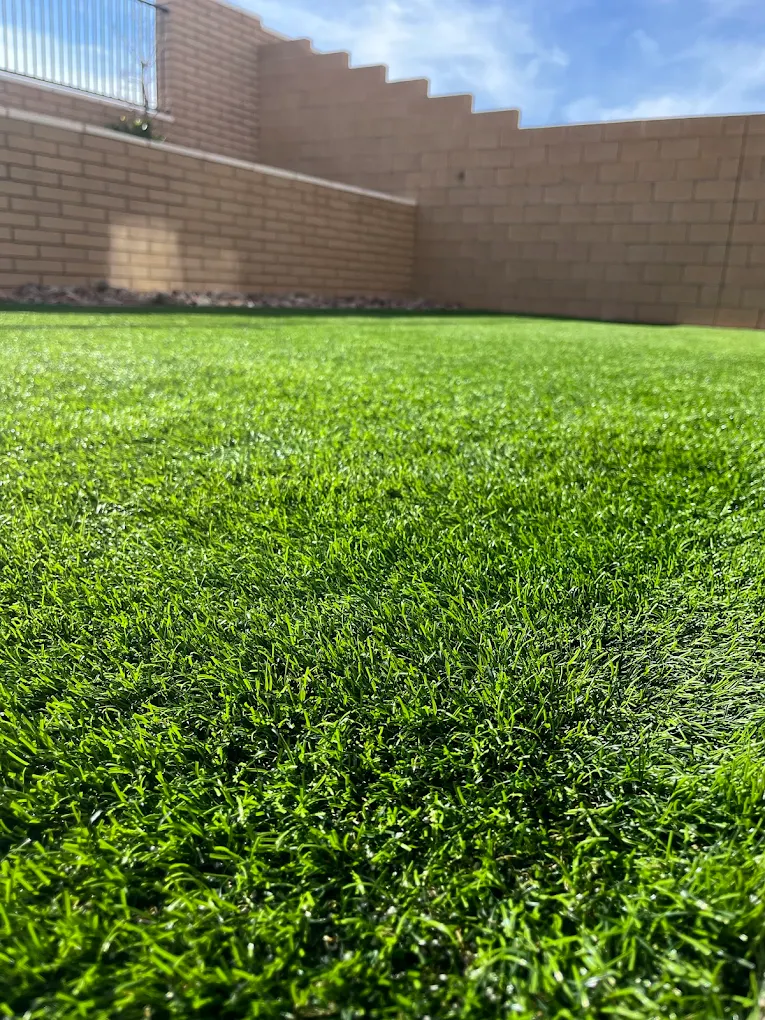
Topping off depleted infill is pretty straightforward, but technique matters for getting an even result. Grab the same type of infill that is already in your turf. If you are not sure what was originally installed, ask a pro like Artificial Turf Cleaning Henderson. Spread fresh material over the low areas using a drop spreader for bigger sections or by hand for small spots. Go with thin layers instead of dumping it all at once, because thick piles just sit on top of the fibers instead of settling between them.
Once you have spread it out, grab a stiff push broom and work the infill down into the fiber base. Brush in several directions so granules settle evenly around every blade. For stubborn spots where infill just sits on top, a light watering helps it drop through the fibers and into place. Check your levels again once everything settles and add more if needed. The whole process takes about an hour for a typical Henderson backyard and should happen at least once a year.
Dealing with Infill Compaction
Infill compaction is not the same thing as infill loss, even though they can feel similar underfoot. Compacted infill is still there, but it has been packed down so tight that it stops cushioning and actually blocks drainage. You will see this a lot in high-traffic spots and on turf that has gone years without deep maintenance. Yards across Paradise and Southern Highlands that get heavy outdoor use tend to run into compaction well before they run low on infill.
Loosening compacted infill takes some serious agitation. Try deep raking with a turf-specific rake, power brushing, or call Artificial Turf Cleaning Henderson for a professional decompaction treatment. Working a stiff turf rake vigorously through the fibers and infill breaks up packed material and brings back its ability to drain, cushion, and support your fibers. After decompaction, the infill might actually look higher since loosened material takes up more space. Just check levels and redistribute as needed for an even surface.
Seasonal Infill Maintenance for Henderson
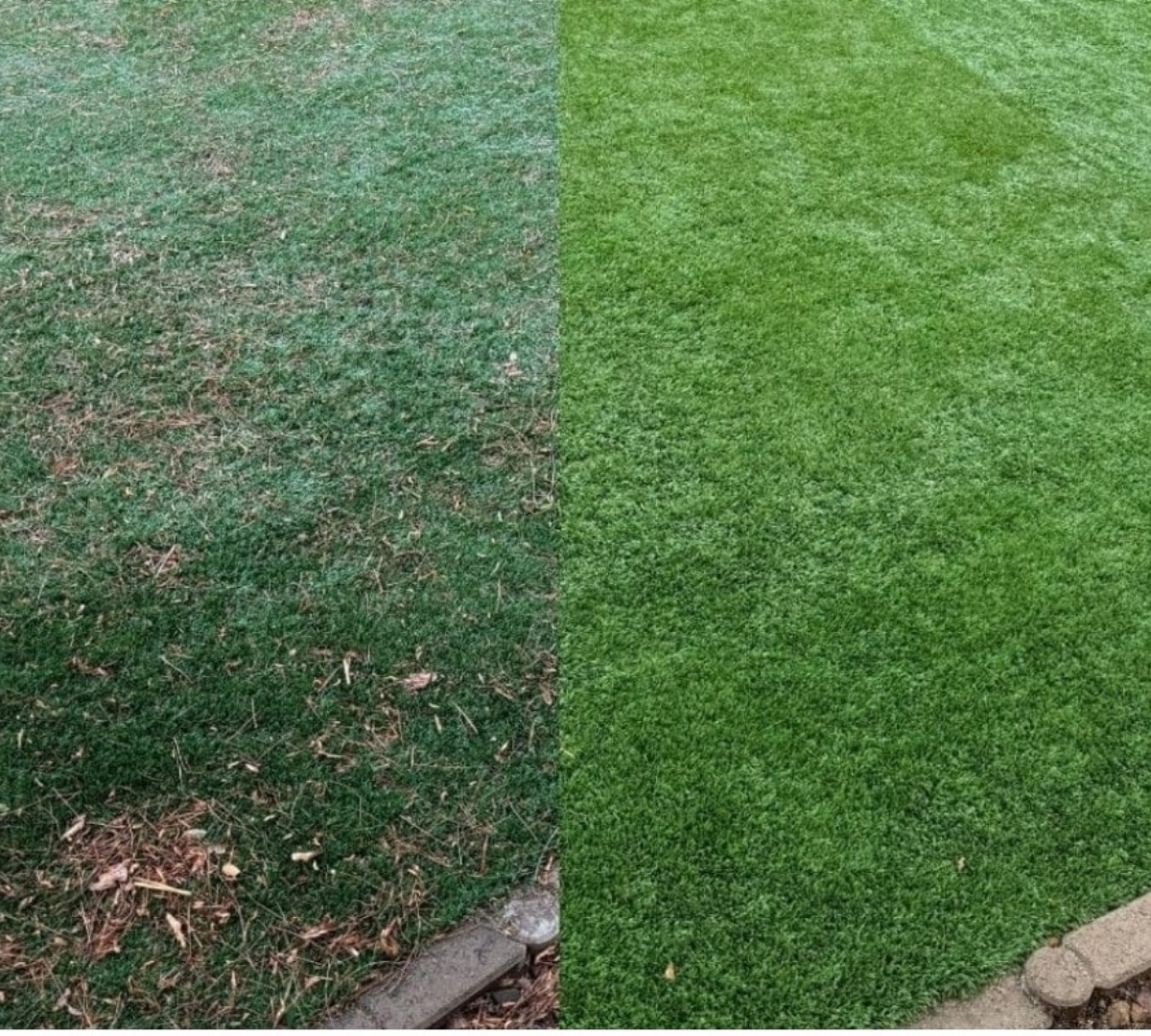
Every season in Henderson brings its own infill maintenance priorities. Spring is your golden window for a full assessment and top-up since it follows wind season and comes before the heat makes outdoor work miserable. Check levels across the whole lawn, fill in low spots, and rake the entire surface to bust up any compaction that built up over winter.
Fall is your second big maintenance window, right after monsoon season wraps up. Summer storms can push serious amounts of infill around through heavy water flow, and those driving rains compact whatever stays put. A post-monsoon check and adjustment in October or November gets your turf ready for the milder winter months. During summer, go easy on the infill by staying off the turf during peak heat and doing any maintenance work early in the morning before the surface gets too hot to handle.
Plan on roughly one bag of infill (50 pounds) per 500 square feet per year for normal upkeep. If your yard catches a lot of wind or gets heavy pet and kid traffic, bump that up to about one bag per 300 square feet annually.