Mistake 1: Believing Artificial Turf Is Zero-Maintenance
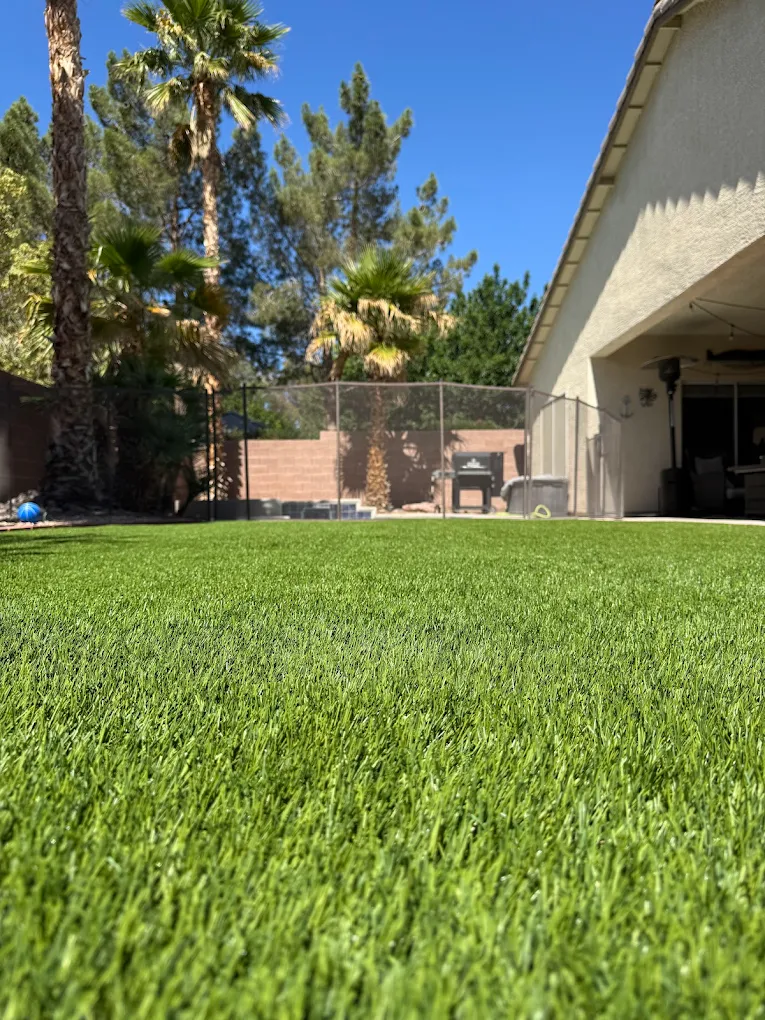
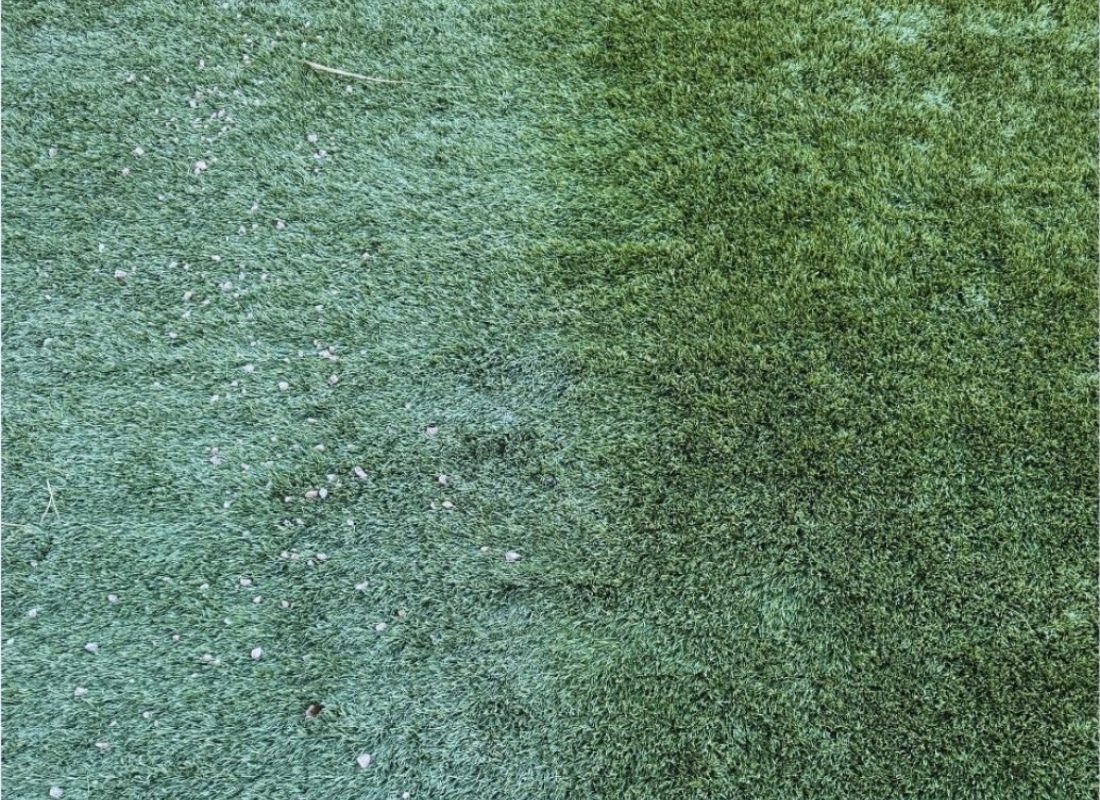
The most widespread and damaging misconception about artificial turf is that it requires absolutely no maintenance after installation. This belief leads homeowners across Summerlin, Henderson, and throughout the valley to ignore their turf for months or years, only to wonder why it looks matted, dirty, and prematurely aged. Artificial turf is way lower maintenance than natural grass, eliminating mowing, fertilizing, and regular watering, but it still needs consistent care to look and perform its best.
In the Henderson desert environment, neglected turf deteriorates faster than it would in milder climates. Dust accumulation, UV exposure, thermal cycling, and organic debris all work against uncared-for turf surfaces continuously. A basic maintenance routine of weekly debris removal, biweekly brushing, and monthly rinsing takes a fraction of the time natural lawn care demands while keeping your investment protected for its full expected lifespan of 15 to 20 years.
Mistake 2: Using the Wrong Cleaning Tools
Metal rakes, wire-bristle brushes, and sharp garden tools have no place on artificial turf, yet homeowners throughout Paradise and Spring Valley regularly use them out of convenience. Wire bristles tear and pull turf fibers from the backing, creating visible thinning that is impossible to reverse without section replacement. Metal rakes gouge the turf surface and can puncture the backing material, compromising the drainage system beneath.
Always use tools specifically designed for or compatible with artificial turf. Synthetic-bristle push brooms, turf-specific rakes with flexible polymer tines, and leaf blowers are the core tools for routine maintenance. For stain treatment, use soft cloths and plastic scrapers rather than abrasive pads or metal tools. Investing in proper tools costs a fraction of what you would spend repairing damage from inappropriate ones.
Mistake 3: Using Harsh Chemicals and Bleach
Reaching for bleach, ammonia, or industrial-strength cleaners when turf gets dirty is a common instinct that causes real damage. Bleach discolors turf fibers permanently, creating visible blotches that cannot be cleaned away. Strong acids and alkaline solutions degrade the polymer structure of turf fibers, making them brittle and prone to breaking. Petroleum-based solvents dissolve the adhesive that holds turf together at seams and edges, leading to separation and lifting.
The safe alternatives are just as effective when used properly. White vinegar handles mineral deposits and light organic stains. Enzymatic cleaners break down pet waste and biological contamination. Mild dish soap mixed with water tackles grease and food spills. These gentler products work with the turf material rather than against it, cleaning effectively without compromising fiber integrity, backing adhesion, or infill performance in your Green Valley or Enterprise installation.
If a cleaning product label says "test on an inconspicuous area first," take that advice seriously on artificial turf. The polymer fibers in your turf can react unpredictably to chemicals, and a small test area is far better than discovering damage across your entire lawn.
Want Us to Handle It Instead?
Get a free quote for your Henderson property. Same-day appointments available.
Mistake 4: Ignoring Infill Levels and Condition
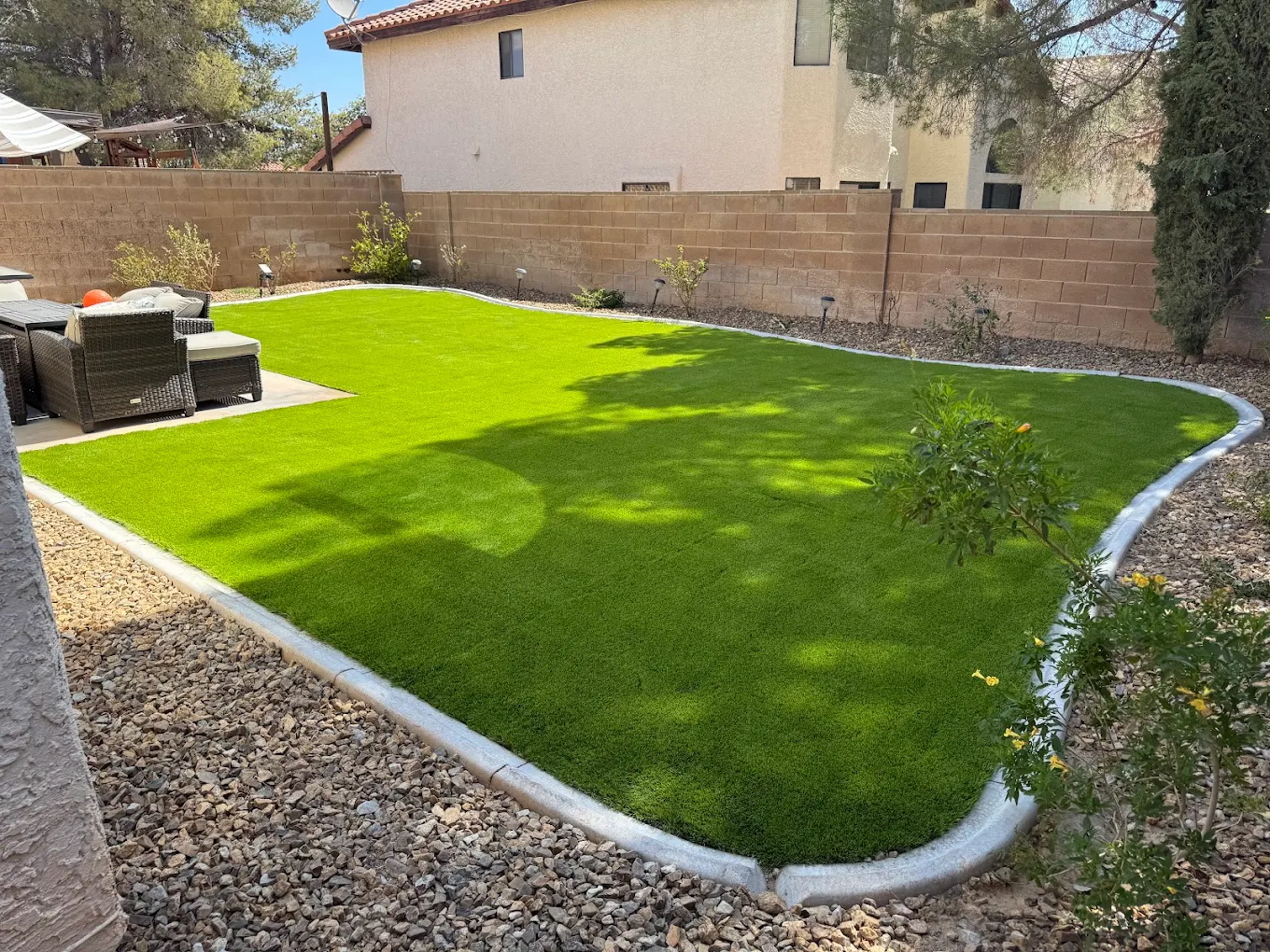
Infill is invisible during normal use, which is exactly why it gets overlooked until serious problems develop. Henderson wind erosion gradually strips infill from exposed areas, thermal cycling compacts it, and heavy foot traffic displaces it from high-use zones into low spots. By the time you notice fibers matting faster than usual, drainage slowing down, or the turf feeling harder underfoot, infill levels may have dropped way below their installed depth.
Check infill levels every three months by parting fibers and measuring the depth from the backing surface. Annual top-ups are a minimum for Henderson installations, with properties in North Henderson and Boulder City that see high winds potentially needing more frequent replenishment. Think of infill maintenance as preventive care: a small investment in material and time that prevents much more expensive fiber damage, drainage failures, and premature turf replacement.
Mistake 5: Maintaining Turf During Peak Heat
Scheduling turf maintenance during the hottest part of a Henderson summer day is a mistake that affects both you and your turf. When surface temperatures reach 150 degrees or higher, turf fibers are at their softest and most vulnerable to mechanical damage from brushing, raking, or foot traffic. Cleaning solutions evaporate before they can work, making stain treatment and deep cleaning ineffective. And the personal risk of heat exhaustion or heat stroke while working on a superheated surface is a genuine health concern.
Shift all turf maintenance to early morning, ideally completing work before 9 a.m. during summer months when temperatures are still manageable. Alternatively, evening sessions after 7 p.m. work well for tasks that do not require visibility of stains or damage. This scheduling adjustment costs nothing, improves results, and protects both your health and your turf from heat-related damage.
Mistake 6: Neglecting Drainage Maintenance
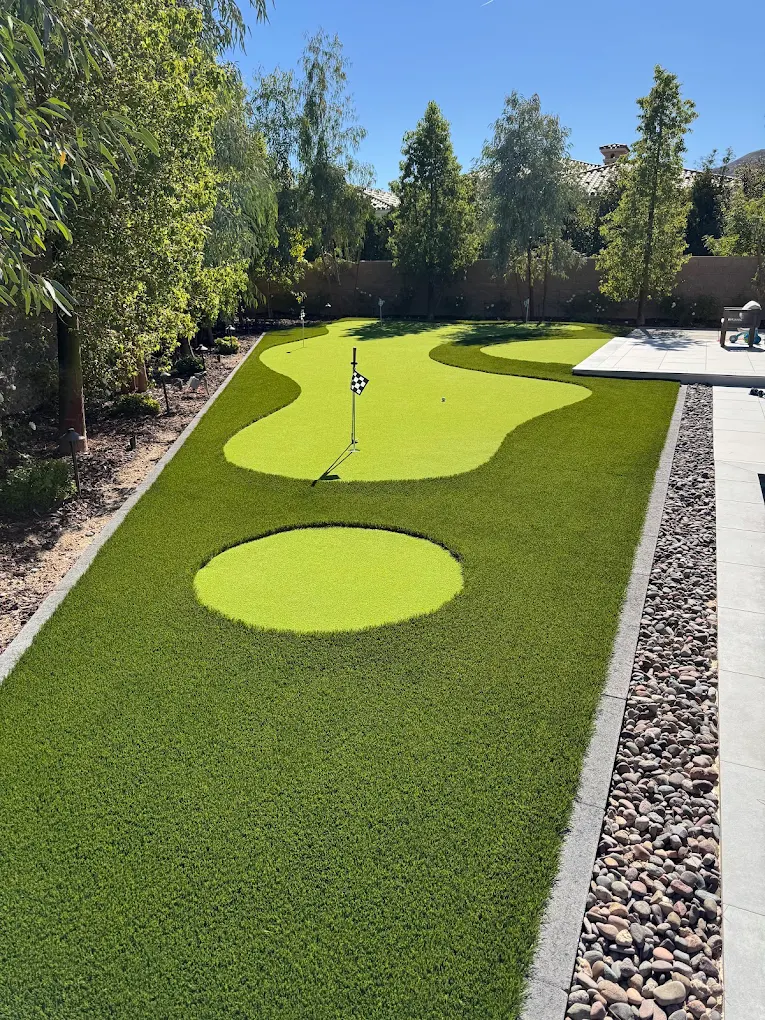
Henderson receives so little rain that many homeowners assume drainage is not a concern for artificial turf. But when monsoon storms hit between July and September, they dump enormous quantities of water in short periods, and a turf system with clogged drainage holes cannot handle the deluge. Beyond storm drainage, daily irrigation overspray, pool splash, and routine cleaning all produce water that must flow through the system efficiently to prevent moisture-related problems.
Annual drainage testing and maintenance should be part of every Henderson turf owner calendar. Run water on each section, check how quickly it clears, and flush any slow-draining areas with a strong hose spray to clear accumulated dust and debris from drainage holes. Maintaining clear perimeter drainage channels and ensuring the sub-base has not compacted enough to impede flow protects your turf from the standing moisture that causes algae, mold, and odor problems in Centennial Hills, Southern Highlands, and across the valley.
Mistakes 7-10: More Common Errors
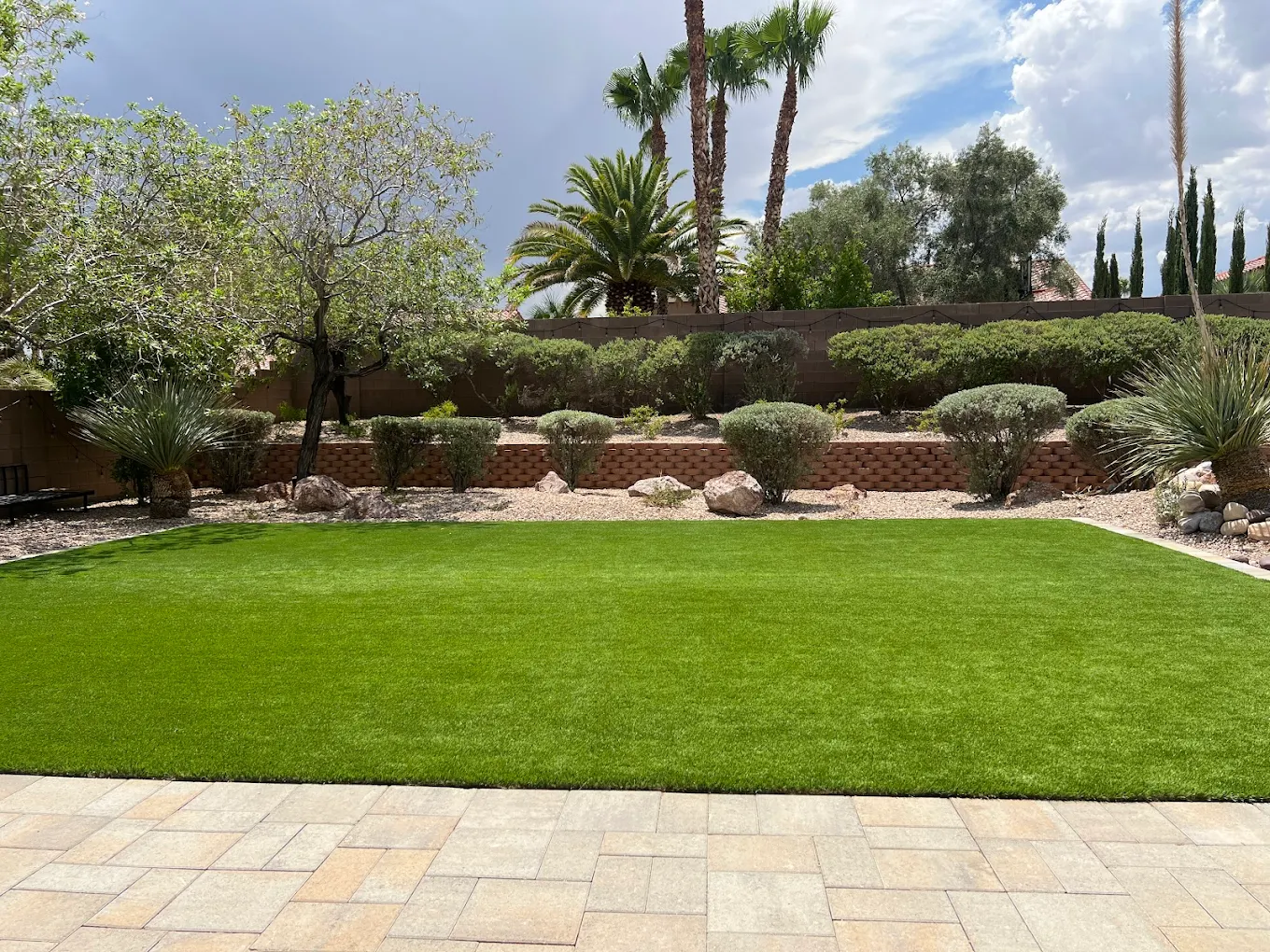
Mistake 7 is placing hot items directly on artificial turf. Barbecue grills, fire pits, and even metal trays heated by the sun can melt turf fibers on contact, creating permanent burn marks that require section replacement. Always use heat-resistant mats or pads under any heat source. Mistake 8 involves allowing heavy or sharp-edged objects to sit on turf for extended periods. Furniture without protective feet, storage containers, and construction materials compress and damage fibers, creating impressions that resist recovery.
Mistake 9 is applying weed killer directly to artificial turf. While the occasional weed may sprout through drainage holes or along edges, herbicides can stain and damage turf fibers. Pull weeds by hand or treat the soil beneath edges rather than spraying chemicals on the turf surface. Mistake 10 is failing to address problems promptly. A small stain, a minor seam separation, or a slightly low infill area will only get worse with time and Henderson heat. Addressing issues when they are small prevents them from becoming expensive repair projects in your Henderson, Summerlin, or Paradise home.
- Never place grills, fire pits, or hot items directly on artificial turf
- Use protective pads under all furniture legs and heavy objects
- Pull weeds by hand rather than applying herbicides to turf surfaces
- Address stains, seam issues, and infill problems promptly before they worsen