Common Artificial Turf Issues in the Henderson area
Artificial turf in Henderson faces unique environmental stresses that homeowners in Phoenix, Tucson, or even neighboring California rarely experience. With summer temperatures routinely exceeding 110 degrees Fahrenheit, minimal annual rainfall of just 4.2 inches, and intense ultraviolet radiation at high desert elevation, your synthetic lawn endures conditions that can accelerate wear, create maintenance challenges, and reduce lifespan if problems go unaddressed. Properties across Summerlin, Henderson, Spring Valley, and the rest of the valley all share these climate-driven turf issues.
Understanding the specific problems that affect artificial grass in Southern Nevada helps you implement preventive measures and corrective solutions before minor issues become expensive repairs or full turf replacement. Many of these challenges stem directly from Henderson climate conditions, including extreme heat causing surface temperatures reaching 150 to 170 degrees, hard water with high calcium content creating stubborn deposits, and monsoon season storms exposing drainage weaknesses. This comprehensive guide covers eleven common turf problems with actionable solutions for each one.
Problem 1: Extreme Surface Temperatures
Artificial turf surfaces in Henderson regularly reach 150 to 170 degrees Fahrenheit during peak summer months from June through September, making the lawn uncomfortable or even unsafe for children, pets, and barefoot adults. While air temperatures hover around 105 to 115 degrees, the synthetic fibers absorb and retain solar radiation, creating surface temperatures 40 to 60 degrees hotter than ambient air. Henderson and Summerlin properties with south-facing lawns and minimal shade experience the most severe heat accumulation throughout afternoon hours.
Extreme surface heat not only limits usability but also accelerates UV degradation of turf fibers, increases off-gassing from infill materials, and can cause thermal expansion issues with seams and edges. Properties in Spring Valley, Paradise, and Enterprise with full sun exposure from 10 AM to 6 PM face the highest risk of heat-related turf damage and shortened product lifespan. Implementing cooling solutions becomes essential for maintaining both functionality and longevity of your artificial grass investment in the desert climate.
- Install shade structures like pergolas, ramadas, or shade sails over high-traffic turf areas to reduce direct sun exposure by 60-80 percent
- Apply turf cooling products or rinse systems that lower surface temperatures by 30-50 degrees within minutes before use
- Choose infill materials specifically designed for heat reduction, such as zeolite or acrylic-coated sand rather than traditional crumb rubber
- Plant strategic landscaping with trees or tall shrubs on the south and west sides to provide afternoon shade coverage
- Schedule outdoor activities for early morning or evening hours when surface temperatures drop below 100 degrees
- Consider light-colored or reflective turf products for future installations that absorb less solar radiation than darker green varieties
Surface temperatures of 170 degrees Fahrenheit can cause second-degree burns within seconds of contact. Always test turf temperature before allowing children or pets onto the lawn during summer afternoons, and keep water readily available for emergency cooling.
Problem 2: Calcium Buildup from Hard Water
Henderson has some of the hardest municipal water in the United States, with calcium carbonate concentrations often exceeding 300 parts per million sourced primarily from Lake Mead and the Colorado River system. When homeowners rinse artificial turf with hard water to cool surfaces or remove debris, evaporation leaves behind white calcium deposits that accumulate on synthetic fibers, create a chalky appearance, and eventually harden into crusty residue. Properties throughout Henderson, North Henderson, and Summerlin report calcium buildup as one of the most persistent turf maintenance challenges requiring regular attention.
These mineral deposits not only diminish the aesthetic appeal of your lawn but also stiffen turf fibers, reduce drainage efficiency, and create rough texture that feels unnatural underfoot. The problem intensifies during summer months when frequent cooling rinses combine with rapid evaporation rates in 10 to 15 percent humidity conditions. Left untreated for several months, calcium accumulation can become so severe that professional restoration services are required to fully remove embedded mineral deposits from fiber surfaces and infill layers.
- Apply acidic cleaning solutions with pH 3-4 vinegar or citric acid formulations quarterly to dissolve calcium carbonate deposits before they harden
- Install a water softening system or point-of-use filter on outdoor hose connections to reduce mineral content in irrigation water by 80-90 percent
- Use deionized or distilled water for cooling rinses if softening systems are unavailable, especially on premium turf installations
- Schedule professional deep cleaning services annually that include acid washing treatments specifically targeting calcium removal
- Brush turf fibers with a stiff broom after acid applications to dislodge loosened deposits and restore proper blade orientation
- Increase rinsing frequency during summer to prevent concentration of minerals through repeated evaporation cycles on the same areas
Mix one part white vinegar with three parts water in a garden sprayer for an effective DIY calcium removal solution. Apply to affected areas, let sit for 10-15 minutes, then rinse thoroughly and brush fibers upright for best results.
Want Us to Handle It Instead?
Get a free quote for your Henderson property. Same-day appointments available.
Problem 3: Dust and Sand Infiltration
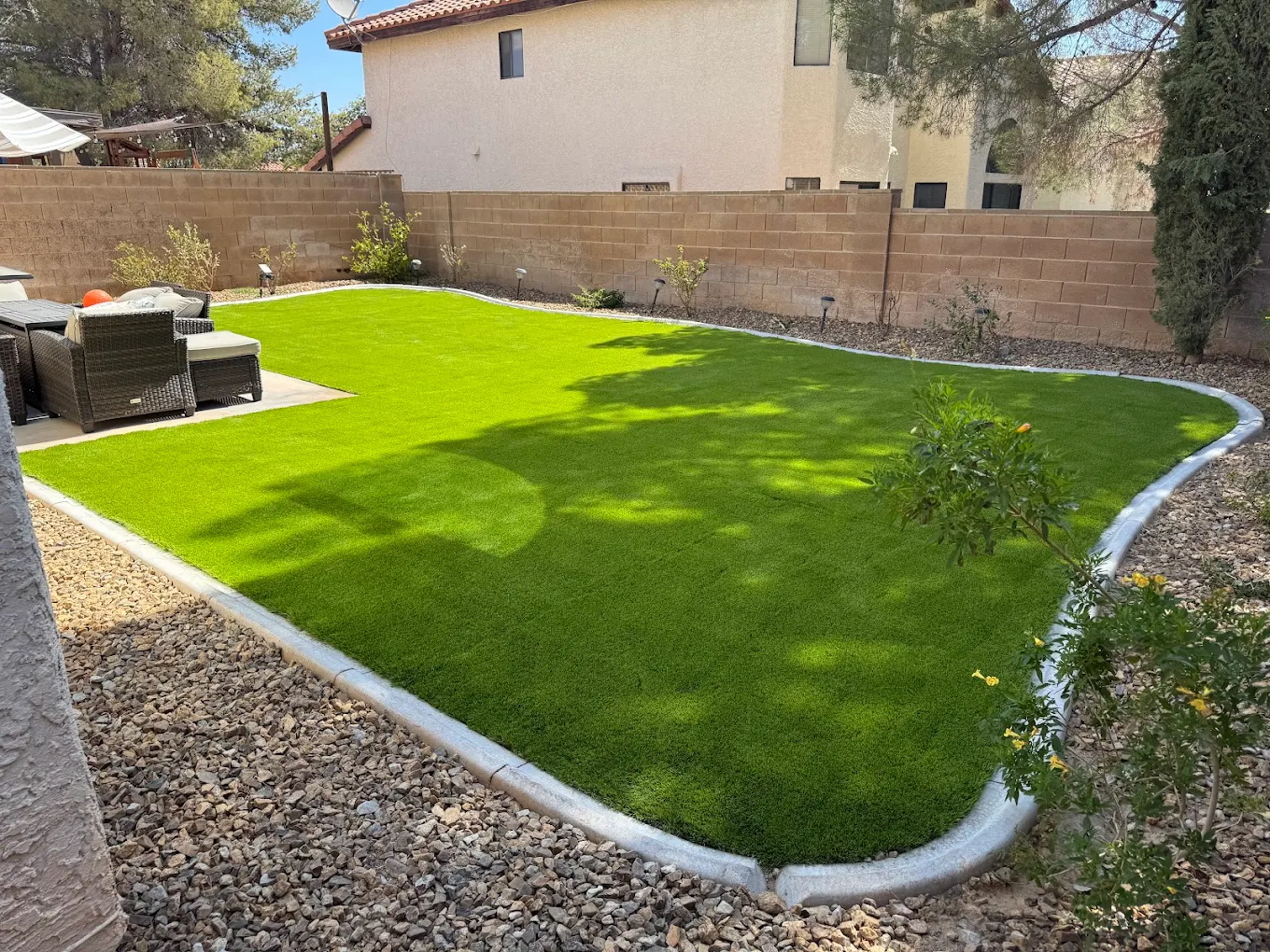
The desert environment surrounding Henderson generates constant airborne dust and fine sand particles that settle into artificial turf, gradually filling spaces between fibers and accumulating within infill layers. Spring months bring particularly intense windstorms carrying Mojave Desert sand across the valley, while summer monsoons deposit fine sediment that penetrates even well-maintained lawns. Properties in newer developments near construction sites or at valley edges facing open desert experience accelerated dust accumulation requiring more frequent cleaning interventions than established neighborhoods.
Excessive dust and sand infiltration creates multiple problems including reduced drainage capacity, increased surface temperatures from heat-absorbing particles, accelerated wear on turf fibers from abrasive grit, and diminished aesthetic appearance as debris dulls the vibrant green color. Homes in Summerlin, Centennial Hills, and Southern Highlands near undeveloped land report monthly cleaning needs compared to quarterly schedules sufficient for central valley locations. Without regular removal, accumulated sediment can compact infill layers and reduce cushioning properties that provide comfort and safety underfoot.
- Use a leaf blower weekly to remove surface dust and debris before particles work deep into infill layers where extraction becomes difficult
- Power broom or rake turf monthly with equipment designed for artificial grass to lift trapped sediment from between fibers
- Schedule professional deep cleaning with vacuum extraction systems annually to remove compacted dust from base layers beneath infill
- Install windbreak fencing or vegetation barriers on property edges facing prevailing wind directions to reduce airborne particle deposition by 40-60 percent
- Apply turf deodorizer products that contain antimicrobial agents to prevent dust-trapped moisture from creating bacterial growth in infill
- Increase cleaning frequency during March through May when spring winds deliver the highest volumes of desert dust across the valley
Problem 4: UV Fading and Color Loss
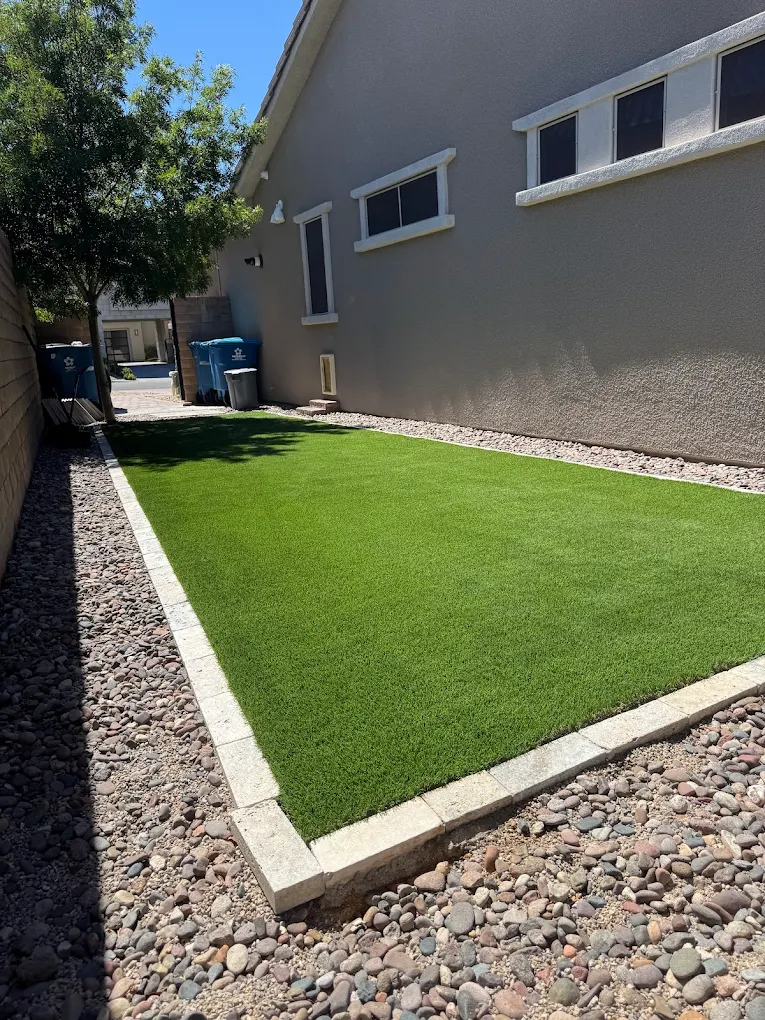
Henderson receives intense ultraviolet radiation year-round due to high desert elevation around 2,000 feet, minimal cloud cover averaging only 26 days annually, and southern latitude positioning that increases solar angle exposure. This relentless UV bombardment breaks down synthetic turf fibers at the molecular level, causing fading from vibrant emerald or hunter green tones to washed-out olive or yellowish hues within three to five years on lower-quality products. Full-sun installations in Henderson, Paradise, and Boulder City show color degradation 30 to 40 percent faster than partially shaded properties in established Summerlin neighborhoods with mature landscaping.
Color fading not only reduces curb appeal and property aesthetics but also indicates structural fiber degradation that compromises durability, softness, and resilience of the turf system. Once UV damage progresses beyond surface discoloration to actual fiber breakdown, the turf becomes brittle, loses its ability to spring back after compression, and develops a straw-like texture that feels unnatural. Premium turf products with UV inhibitors built into fiber composition and dual-layer color technology resist fading significantly better than budget options, making initial product selection crucial for long-term appearance retention.
- Choose turf products with UV stability ratings of 8,000 hours or higher when purchasing new installations to ensure 10-15 year color retention
- Apply UV protectant treatments annually that coat fibers with sun-blocking compounds to slow degradation by 40-50 percent
- Install shade structures over highest-exposure areas to reduce direct UV contact during peak intensity hours from 10 AM to 4 PM
- Power brush turf quarterly to remove oxidized fiber surfaces and expose fresher material underneath for improved color appearance
- Maintain proper infill levels that support fiber blades in upright position, preventing excessive surface area exposure to sunlight
- Schedule professional color restoration treatments every 3-5 years that apply specialized dyes to refresh faded turf appearance without replacement
Problem 5: Pet Odor Amplified by Heat
Pet urine odor becomes significantly more problematic on Henderson artificial turf compared to cooler climates because extreme heat accelerates bacterial decomposition of organic compounds and increases volatilization of ammonia and other odor molecules. During summer months when turf surfaces reach 150 to 170 degrees, bacterial activity intensifies in the infill layer where urine accumulates, creating powerful smells that become noticeable across entire backyards. Properties throughout Spring Valley, Enterprise, and Seven Hills with multiple dogs report odor issues requiring weekly treatment during peak summer compared to monthly maintenance sufficient in winter months.
The combination of minimal rainfall providing only 4.2 inches of natural rinsing annually and low humidity around 10 to 15 percent during summer means urine concentrates in infill layers rather than being diluted or washed away. Heat and bacteria work together to break down uric acid crystals into volatile compounds that create the characteristic ammonia smell, while inadequate drainage or compacted infill traps contaminated material near fiber bases. Without proactive odor management, pet-friendly turf installations can become unusable outdoor spaces within one to two years of installation.
- Rinse pet areas immediately after use with enzyme-based cleaners that break down organic compounds before bacterial decomposition begins
- Apply antimicrobial infill treatments monthly during summer that inhibit bacterial growth and reduce odor-causing decomposition by 70-80 percent
- Install zeolite or other odor-absorbing infill materials in designated pet zones that naturally trap and neutralize ammonia molecules
- Schedule professional deep cleaning with extraction equipment quarterly to remove urine-saturated infill and replace with fresh material
- Create dedicated pet relief areas with gravel or decomposed granite instead of turf to concentrate contamination in easily maintained zones
- Use oxidizing treatments like hydrogen peroxide solutions weekly that chemically neutralize odor compounds rather than masking smells with fragrances
Problem 6: Monsoon Season Drainage Issues
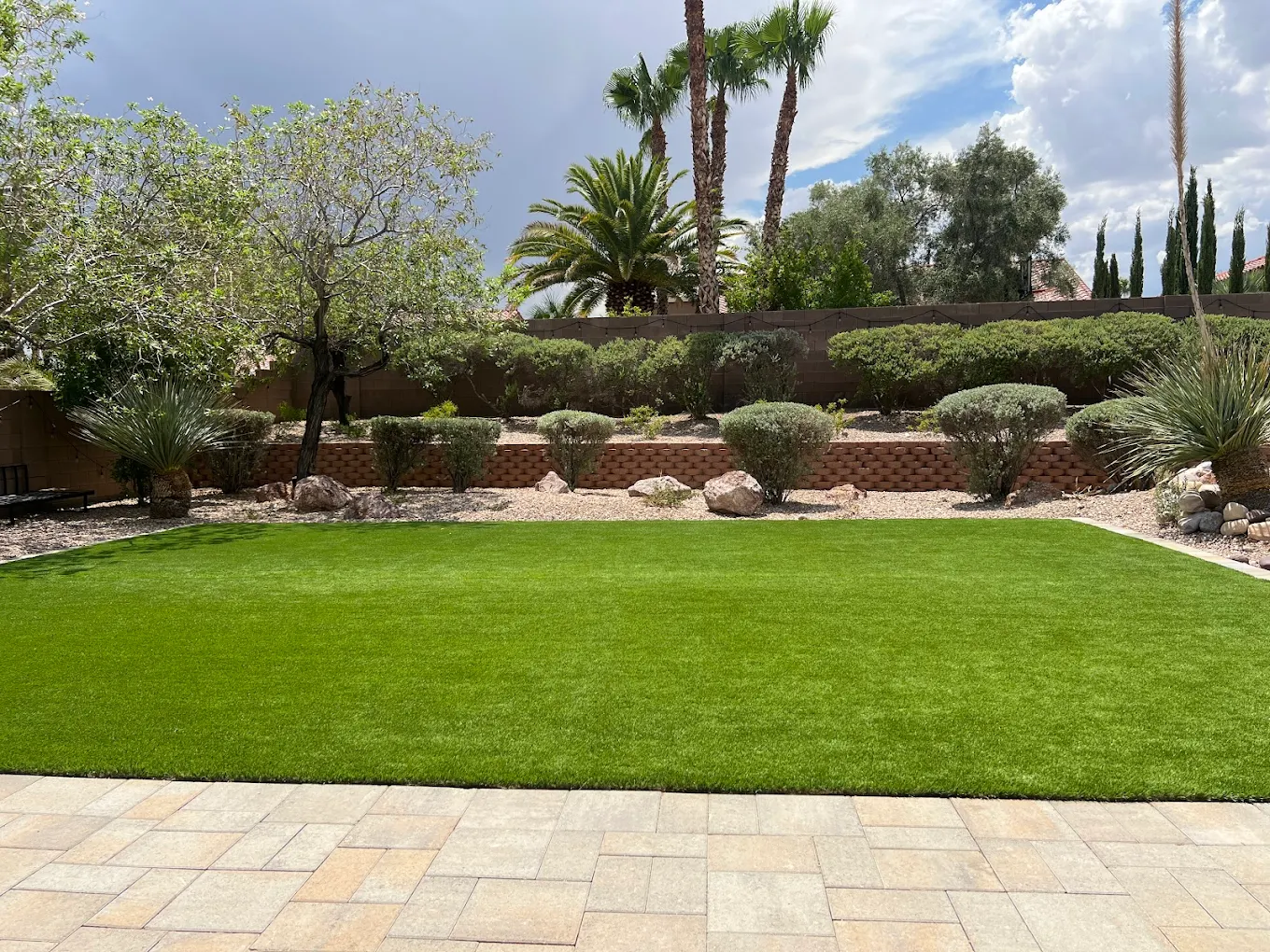
While Henderson averages only 4.2 inches of annual rainfall, monsoon season from July through September delivers intense thunderstorms that can dump one to two inches in under an hour, overwhelming artificial turf drainage systems not properly designed for flash flooding conditions. The hard caliche soil common throughout the valley has extremely low percolation rates, often less than 0.1 inches per hour, meaning water cannot escape through the base layer fast enough during storm events. Properties in lower-elevation areas of Henderson, North Henderson, and parts of Paradise experience pooling water that can remain on turf surfaces for hours or even days after storms pass.
Standing water creates immediate usability problems and long-term damage including mold growth in infill layers, accelerated bacterial activity causing odors, separation of seams from hydrostatic pressure, and potential undermining of base materials that leads to uneven surface settling. Inadequate drainage also prevents proper drying between summer storm events, leaving turf consistently damp during monsoon season when humidity spikes to 30 to 40 percent. Homes built before 2020 with older turf installations often lack the advanced drainage features now standard in professional installations, making retrofits necessary to address these seasonal flooding challenges.
- Install French drains or channel drains along low points and property edges to capture runoff before it reaches turf areas
- Improve base layer percolation by injecting perforated drainage pipes horizontally beneath existing turf in problem zones
- Add supplementary drain outlets through turf backing at six to eight foot intervals in areas that consistently show water accumulation
- Build slight grade slopes of 1-2 percent across turf surfaces during installation to encourage water flow toward drainage points
- Remove and replace compacted base materials with free-draining crushed rock that allows 100+ inches per hour percolation rates
- Clean drainage holes in turf backing annually to remove sediment and organic debris that reduces flow capacity by 50-70 percent
Prolonged standing water for more than 24 hours can cause permanent mold growth in infill layers and backing materials that requires professional remediation or turf replacement. Address drainage issues immediately when pooling occurs after monsoon storms.
Problem 7: Thermal Expansion Wrinkles
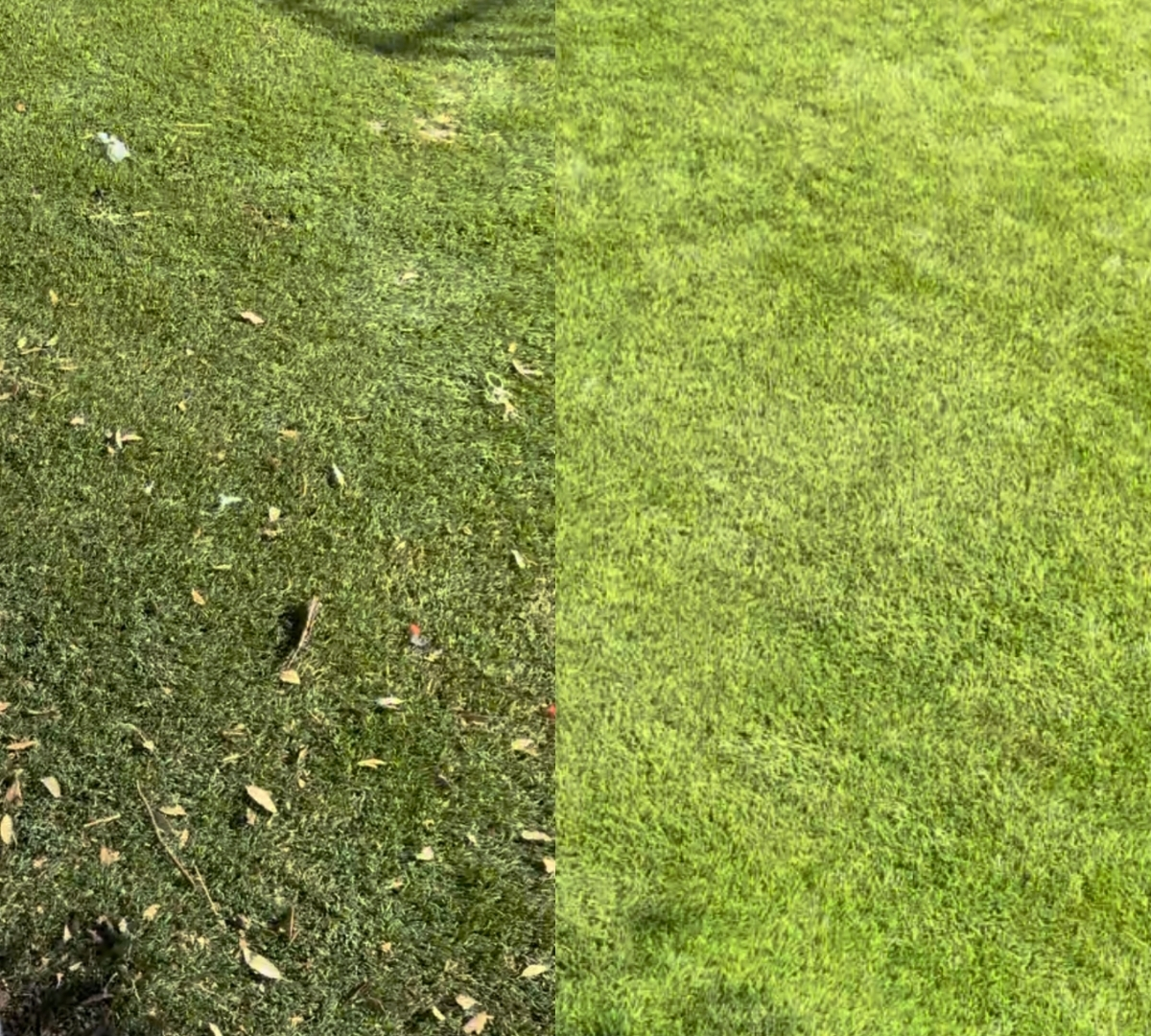
Artificial turf backing materials expand when heated, and with Henderson summer temperatures pushing surface heat to 150 to 170 degrees, synthetic grass can expand up to two percent of its original dimensions throughout the day. When turf installations lack proper expansion gaps at perimeter edges or have been stretched too tight during installation, this thermal expansion creates visible wrinkles, ripples, or bubbles across the lawn surface. Properties throughout Summerlin, Henderson, and Spring Valley with south or west-facing turf report increased wrinkling problems during July and August when afternoon sun exposure delivers maximum heat load.
These thermal wrinkles not only look unsightly and create tripping hazards but also stress seam connections, accelerate wear on raised fiber areas that receive concentrated foot traffic, and indicate underlying installation deficiencies that may lead to more serious structural failures. As temperatures cool each evening, the turf contracts but may not return perfectly flat if base materials have shifted or if repeated expansion cycles have permanently deformed backing materials. Older turf installations from five to ten years ago used backing products less resistant to thermal stress than current generation materials, making properties with aging turf more susceptible to expansion problems.
- Pull and re-stretch affected turf sections during cool morning hours when materials have contracted to original dimensions, then re-secure with additional perimeter nails
- Cut expansion relief slits at 10-12 foot intervals along long turf runs that allow controlled expansion without creating visible wrinkles or bubbles
- Install perimeter restraint systems with heavy-duty spikes every six inches rather than standard 12-inch spacing to prevent edge lifting
- Add weight to chronically bubbled areas using decorative elements like stepping stones or planters that hold turf flat during thermal expansion
- Schedule professional re-installation with proper expansion gaps of one-half to three-quarters inch around all fixed edges and structures
- Choose turf products with dimensionally stable backing materials rated for high-temperature applications when replacing aged installations
Problem 8: Weed Growth at Edges and Seams
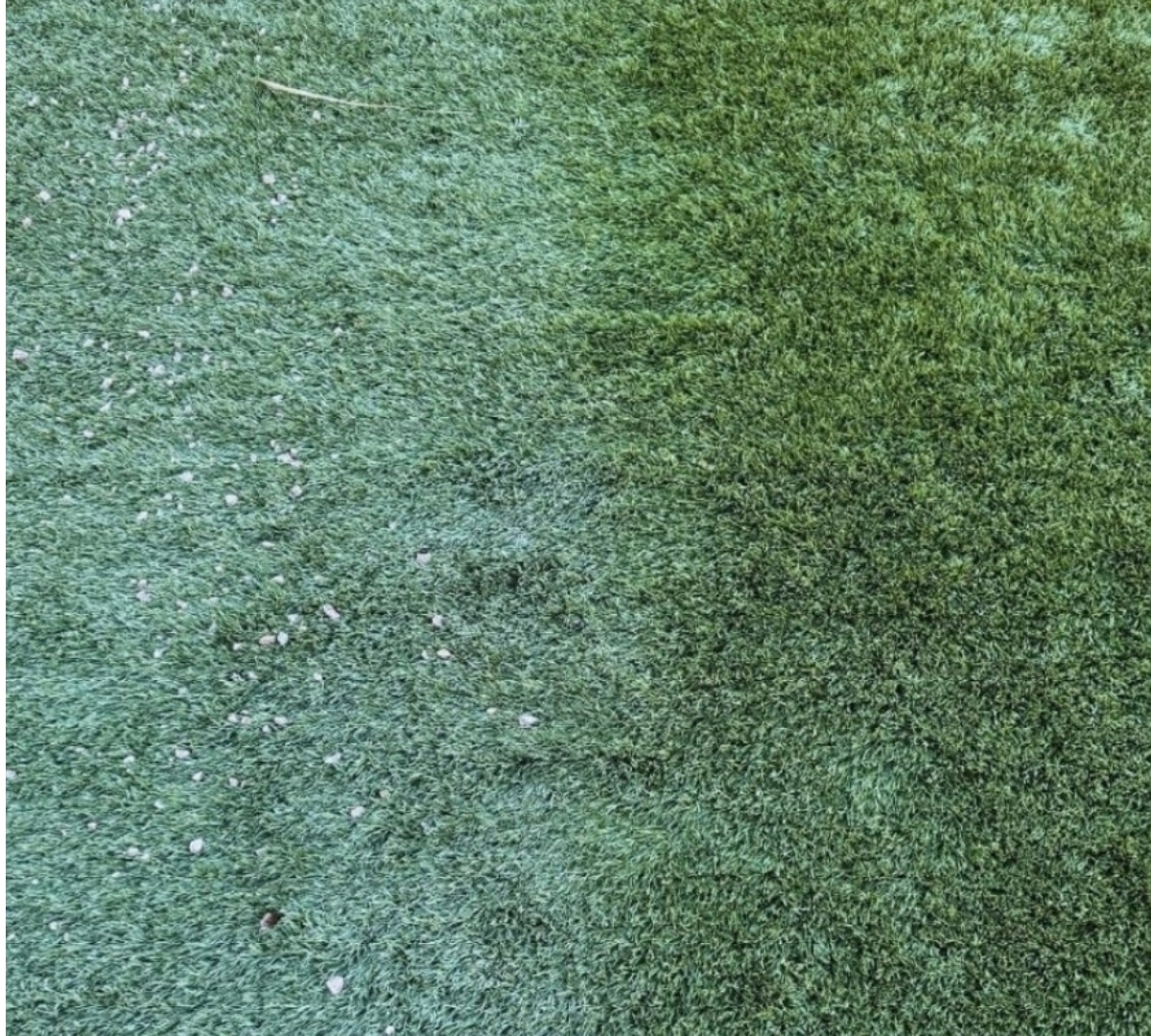
Despite the barrier provided by artificial turf backing and base layer fabric, aggressive desert weeds common to Henderson including puncture vine, Russian thistle, and Bermuda grass can penetrate through seams, emerge along perimeter edges, and even push through worn or damaged backing materials. Wind-blown seeds settle into infill layers where decomposing organic debris provides nutrients, while the small amount of moisture from irrigation overspray or monsoon season rainfall triggers germination. Properties adjacent to vacant lots, desert washes, or unmaintained common areas in Centennial Hills, North Henderson, and Southern Highlands experience more frequent weed intrusion from nearby seed sources.
Weed growth not only detracts from the manicured appearance that homeowners expect from artificial turf but also causes structural damage as aggressive root systems push apart seam connections, lift edges, and create gaps in the installation. Some desert weed species have evolved specifically to penetrate hard surfaces, developing deep taproots that can breach even properly installed weed barrier fabric. Once established, these weeds are difficult to remove without damaging surrounding turf, and their presence indicates maintenance gaps that allow ongoing reinfestation if not addressed systematically.
- Apply pre-emergent herbicide treatments along turf perimeters and seams quarterly to prevent seed germination before weeds establish root systems
- Hand-pull emerging weeds immediately when first noticed, extracting entire root systems rather than breaking stems that allow regrowth
- Seal seams with additional adhesive or seam tape where gaps have developed that allow seed infiltration and weed emergence
- Install physical edge restraints like aluminum bender board or concrete mow strips that create impenetrable barriers between turf and landscape beds
- Power broom turf monthly to remove organic debris and wind-blown seeds before they settle into infill layers where germination occurs
- Maintain healthy infill depth at two to three inches that supports dense fiber coverage, blocking sunlight needed for weed seed germination
Problem 9: Mold Growth in Shaded Areas
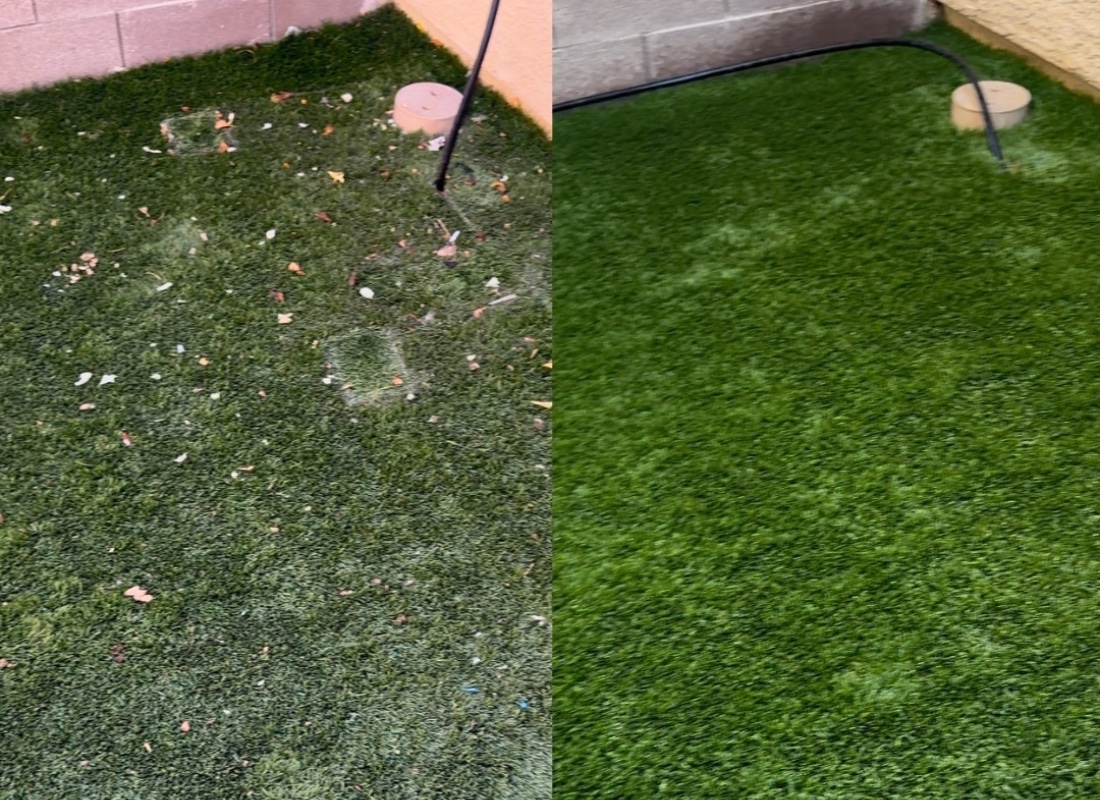
While most Henderson properties receive abundant sunshine and low humidity, shaded turf areas beneath covered patios, alongside north-facing walls, or under mature tree canopies create microclimates where moisture accumulates and mold can develop. During winter months when temperatures drop and humidity increases to 30 to 40 percent, combined with occasional rainfall or irrigation overspray, these shaded zones provide ideal conditions for mold and mildew growth on turf fibers and within infill materials. Properties in established Henderson and Summerlin neighborhoods with extensive hardscaping and mature landscaping report mold issues more frequently than newer developments with full sun exposure.
Mold growth appears as dark patches, fuzzy gray or white deposits, or slimy film on turf surfaces, creating health concerns for family members with respiratory sensitivities and producing musty odors that worsen in humid conditions. Beyond aesthetic and health issues, mold development indicates inadequate drainage or airflow that can lead to backing deterioration, fiber degradation, and shortened turf lifespan. Monsoon season humidity combined with afternoon thunderstorms creates temporary conditions where even normally dry areas can experience mold growth if turf remains damp for more than 24 to 48 hours without adequate drying.
- Improve air circulation in shaded areas by trimming back overhanging vegetation and removing solid barriers that block airflow across turf surfaces
- Apply antimicrobial treatments monthly in chronic problem zones using products containing zinc or copper compounds that inhibit mold growth
- Increase drainage capacity beneath shaded turf by adding supplemental drain lines or improving base percolation to prevent moisture accumulation
- Brush turf weekly in shaded areas to disrupt developing mold colonies before they establish extensive growth across fiber surfaces
- Schedule professional cleaning with pressure washing or steam treatments annually to remove embedded mold from infill layers and backing materials
- Reduce irrigation overspray and eliminate unnecessary water sources that create excess moisture in areas with limited evaporation from shade conditions
Black mold and certain mildew species can trigger respiratory issues, allergic reactions, and asthma symptoms in sensitive individuals. If mold growth covers more than 10 square feet or returns repeatedly after cleaning, consult professional remediation services to address underlying moisture problems.
Problem 10: Matted and Flattened Fibers
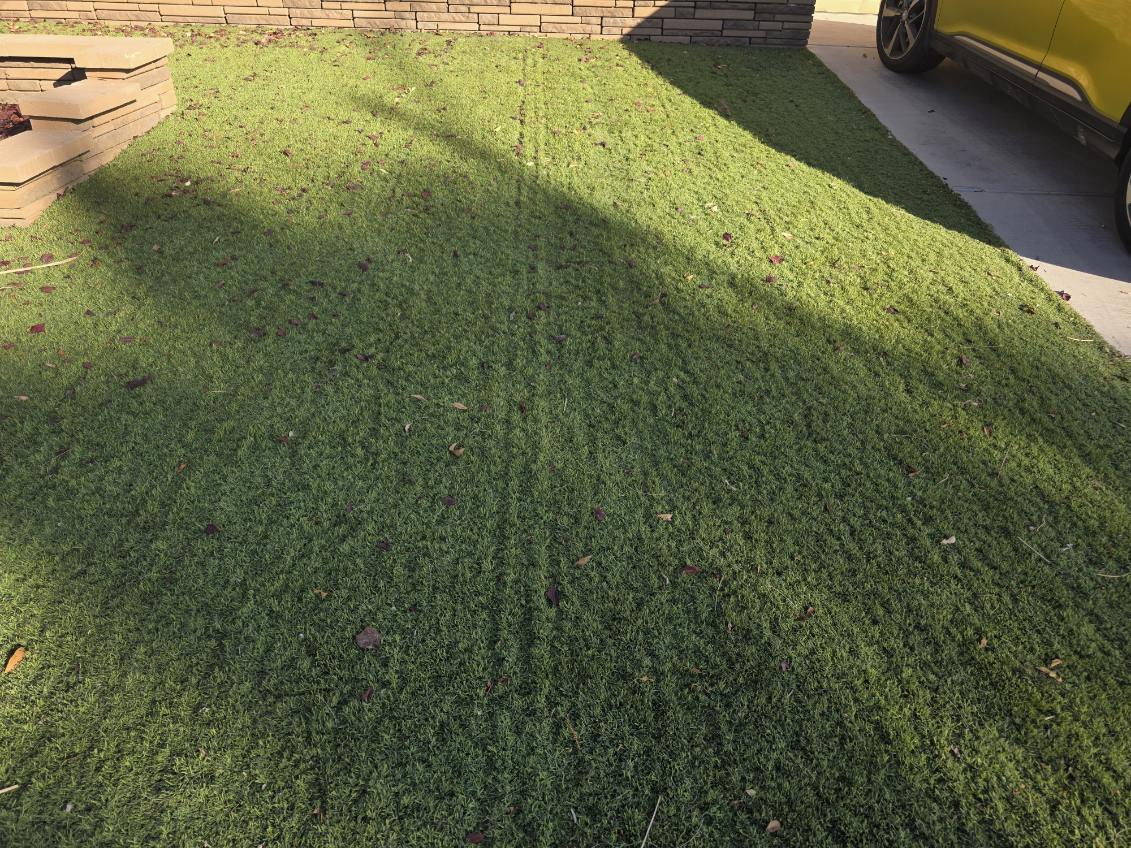
High-traffic areas including walkways, pet play zones, and gathering spaces near pools or patios develop matted fibers where synthetic grass blades lose their upright orientation and flatten against the backing material. This compression occurs through repeated foot traffic, pet activity, and furniture weight that physically bends fibers and breaks down infill support structures that normally keep blades standing vertical. Properties throughout Spring Valley, Paradise, and Enterprise with active families, multiple pets, or frequent outdoor entertaining show accelerated matting in concentrated use areas compared to low-traffic decorative turf installations.
Matted fibers create worn pathways that look unsightly, feel unnatural underfoot, retain more heat from increased surface area contact with backing, and indicate inadequate infill levels or fiber resilience. Premium turf products with heavier denier fibers and strong backing systems resist matting better than budget options, but all artificial grass eventually shows wear patterns in high-use zones after three to five years. Once fibers have been compressed flat for extended periods, they may not fully recover their original upright position even with vigorous brushing, requiring more intensive restoration treatments or eventual replacement of severely worn sections.
- Power broom high-traffic areas monthly using equipment with stiff bristles that lift compressed fibers and redistribute infill for better support
- Add fresh infill material to worn zones where particle compaction or displacement has reduced support depth below two inches
- Install stepping stones or pavers in heavily used pathways to redirect traffic patterns and reduce concentrated wear on turf fibers
- Rotate furniture placement and pet activity zones quarterly to distribute wear more evenly across the turf surface area
- Apply fiber recovery treatments using specialized rakes or groomers with curved tines that penetrate infill and lift matted blades
- Schedule professional restoration services annually that include deep grooming, infill replenishment, and power brushing to maintain fiber orientation
Problem 11: Seam Separation and Lifting
Seams where turf sections join together represent the most vulnerable points in artificial grass installations, and Henderson conditions including extreme thermal expansion, intense UV degradation of adhesives, and occasional hydrostatic pressure from monsoon flooding all contribute to seam failures. Poor initial installation with inadequate adhesive application, missing nails, or improperly aligned edges accelerates separation, but even quality installations can develop lifting or gaps after five to seven years of desert climate exposure. Properties throughout Henderson, Summerlin, and North Henderson with large lawn areas requiring multiple seams report occasional separation issues that need attention every few years.
Separated seams create tripping hazards, allow weed intrusion, expose unsightly backing materials, and indicate adhesive failure that will progressively worsen without repair intervention. During summer thermal expansion cycles, separated seams can widen by one-quarter to one-half inch as adjacent turf sections push against each other, while winter contraction may partially close gaps without restoring proper adhesion. Once seams begin separating, the problem accelerates because exposed edges curl upward from foot traffic, allowing dirt infiltration that prevents proper re-adhesion and creating increasingly noticeable defects across the lawn surface.
- Clean separated seam edges thoroughly with wire brushes to remove dirt, old adhesive, and debris that prevents new adhesive bonding
- Apply outdoor-rated polyurethane adhesive formulated for high-temperature applications that maintains bond strength above 150 degrees
- Install fresh seam tape beneath separated edges using six-inch-wide material that provides adequate bonding surface for both turf sections
- Secure seams with galvanized nails every four to six inches along the length of repaired sections to prevent lifting during thermal expansion
- Press seams flat using weighted boards or sandbags for 24-48 hours while adhesive cures to ensure complete contact and maximum bond strength
- Schedule professional seam repair for separations longer than two feet or multiple failed seams indicating systematic installation problems requiring expert correction
Protecting Your Turf Investment
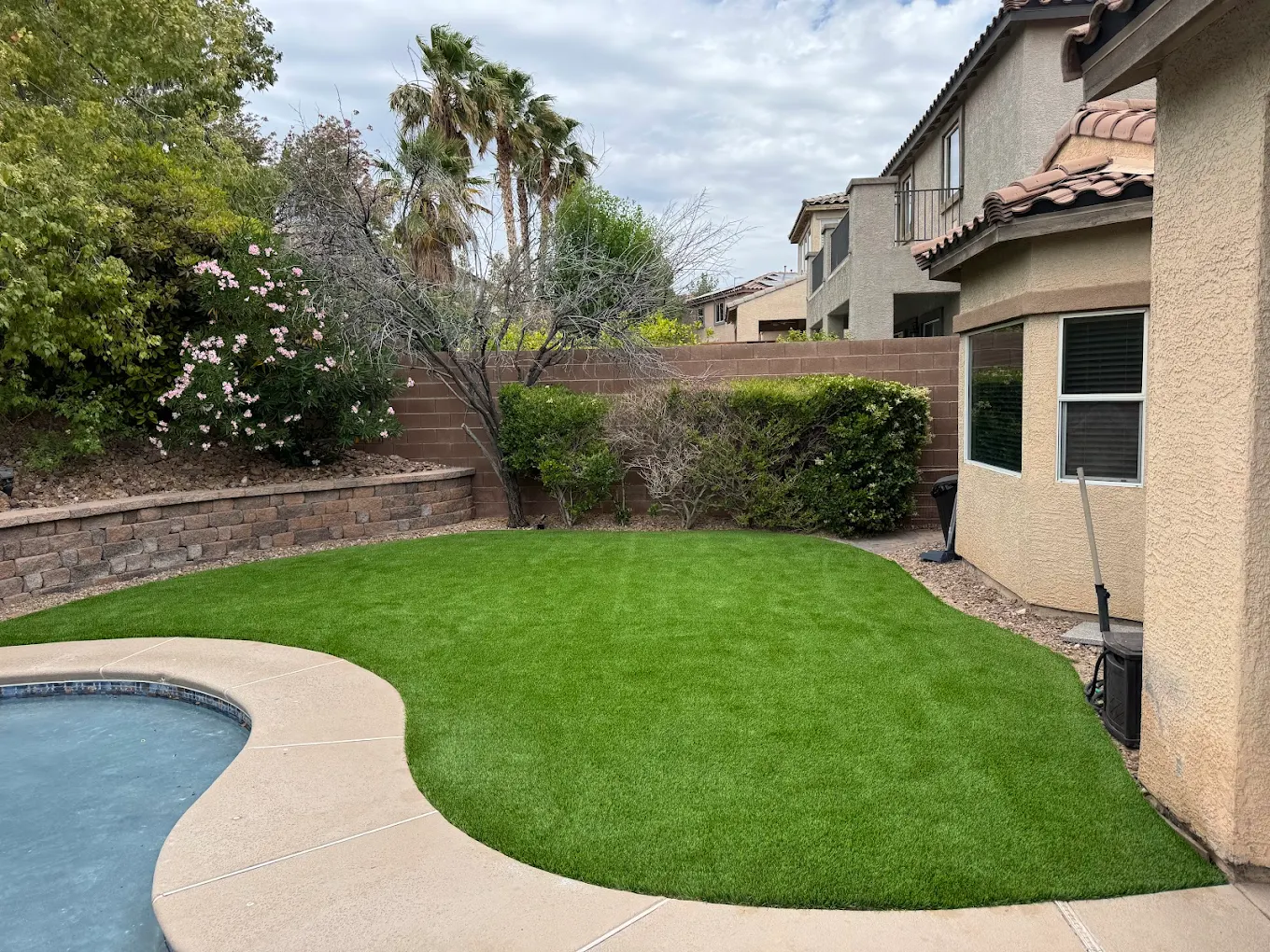
Artificial turf represents a significant investment for Henderson homeowners, with typical installations ranging from fifteen thousand to thirty thousand dollars for average residential properties. Understanding the eleven common problems outlined above and implementing preventive maintenance strategies helps protect that investment by extending turf lifespan from the typical eight to ten years up to fifteen years or longer. Regular attention to heat management, calcium removal, drainage maintenance, and fiber care prevents minor issues from escalating into expensive repairs or premature replacement needs.
Whether you handle maintenance tasks yourself or partner with professional turf cleaning services, establishing consistent care routines adapted to Henderson climate conditions ensures your artificial lawn remains beautiful, functional, and comfortable throughout its service life. Properties across Summerlin, Henderson, Spring Valley, and all valley neighborhoods benefit from proactive problem solving rather than reactive crisis management. By addressing challenges before they cause permanent damage, you maximize return on your turf investment while enjoying a pristine outdoor space year-round despite harsh desert conditions that test synthetic grass products beyond their intended design parameters.