Unique Challenges of Poolside Artificial Turf
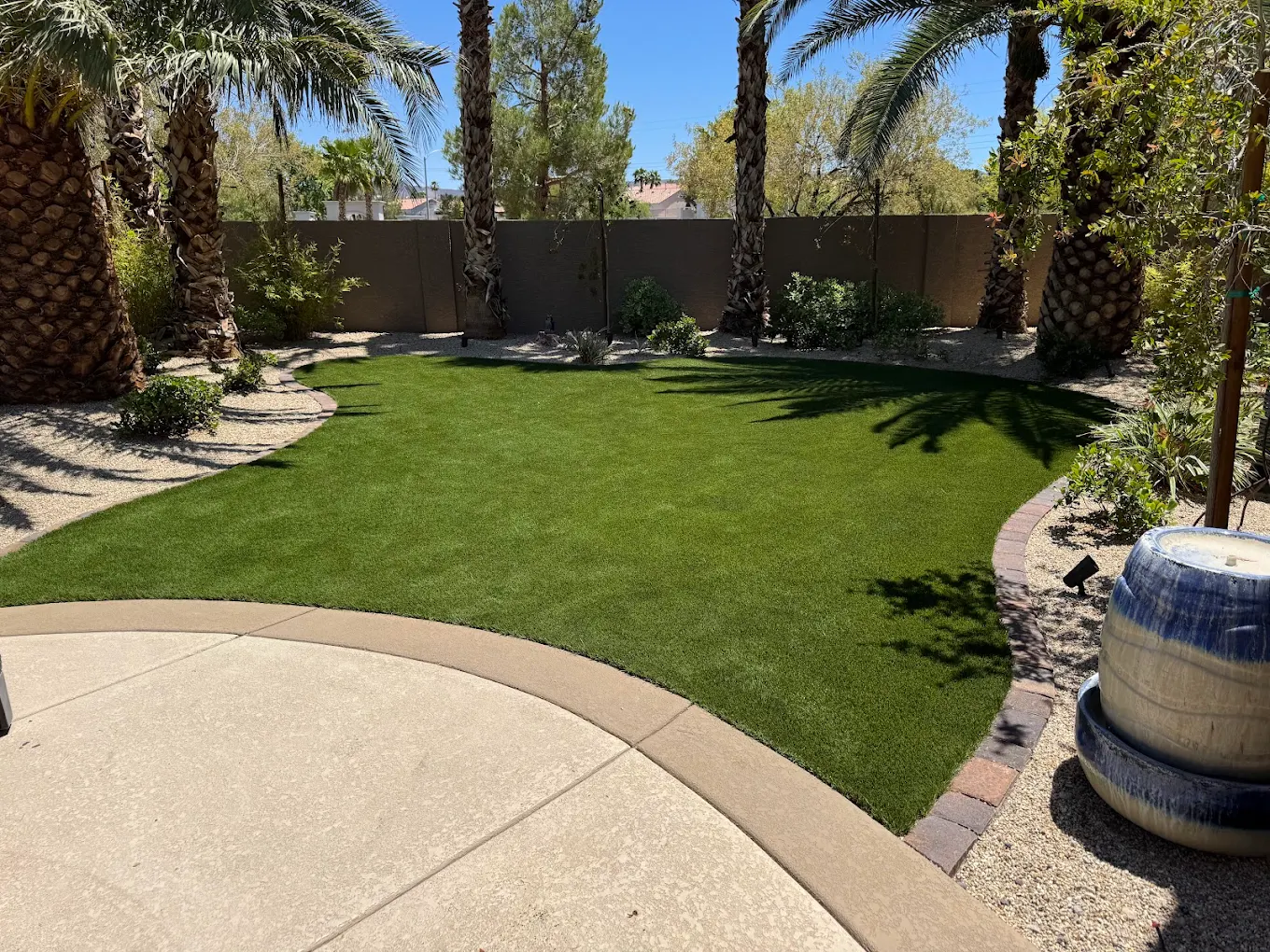
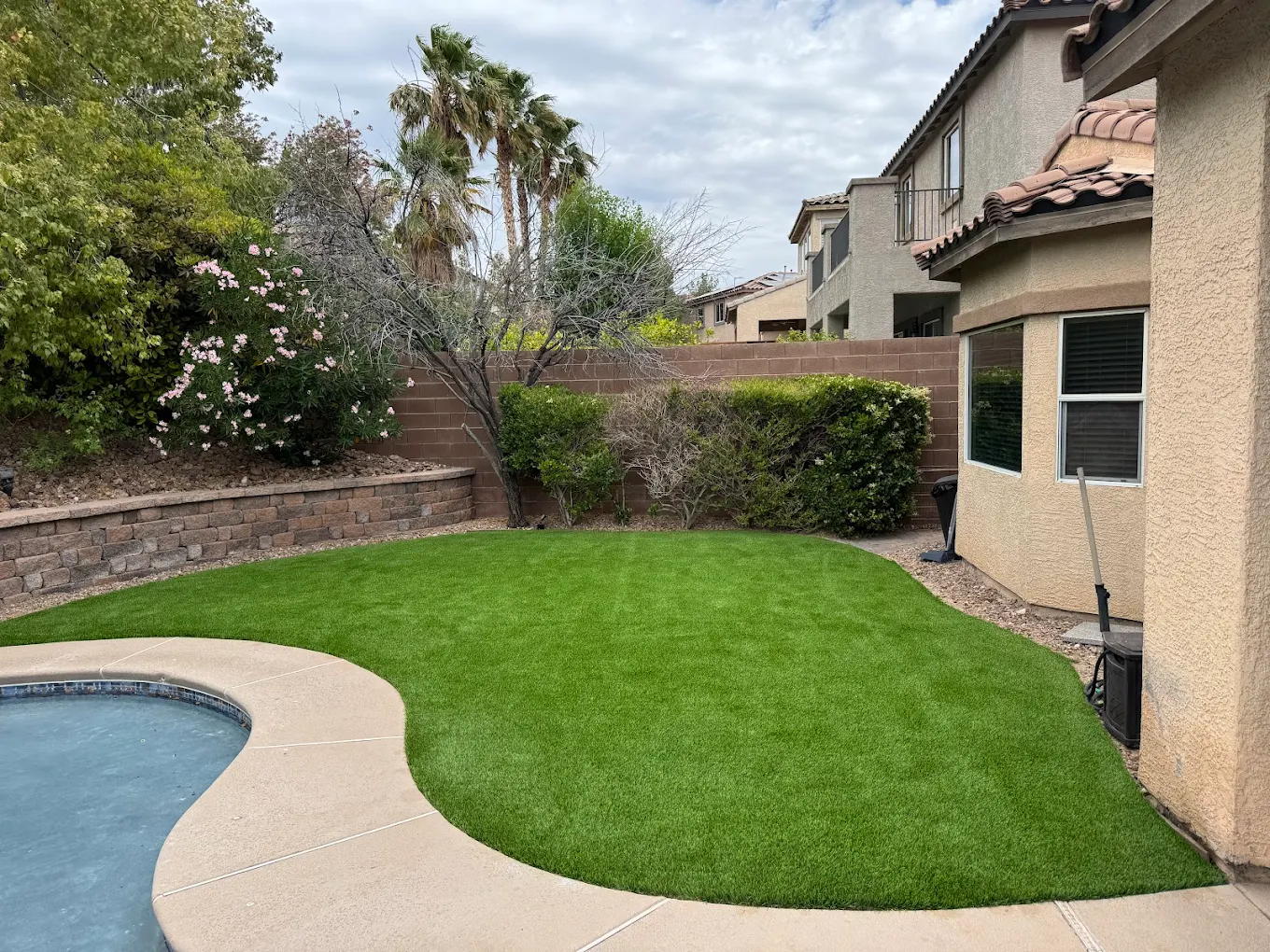
Artificial turf installed around swimming pools faces a demanding combination of stressors that differ from turf in other parts of your yard. Constant exposure to chlorinated splash water, heavy and often wet foot traffic, sunscreen and body oil residue, and the reflected UV radiation from the pool surface all take a toll on poolside turf. In Henderson, where backyard pools are a centerpiece of outdoor living in neighborhoods across the valley, poolside turf maintenance is critical for preserving both appearance and safety.
The chlorine factor is particularly relevant because Henderson pool owners tend to run slightly higher chlorine levels than homeowners in cooler climates to compensate for the rapid chemical degradation caused by intense UV exposure. This means the splash water reaching your turf carries a more concentrated chemical load. Over time, elevated chlorine exposure can fade turf color, weaken fiber bonds at the backing, and degrade infill materials, shortening the overall lifespan of your poolside installation.
Wet foot traffic creates its own set of problems. Water tracked from the pool compresses fibers more than dry feet, accelerates infill displacement, and creates persistently damp conditions in the immediate pool surround that can foster algae and bacterial growth. Managing this moisture cycle is a core component of poolside turf maintenance that standard lawn care routines do not adequately address.
Managing Chlorine Exposure
Minimizing chlorine damage starts with understanding that you cannot eliminate splash exposure, but you can manage its impact. The most effective strategy is regular freshwater rinsing of the turf immediately surrounding your pool. A five-minute rinse with a garden hose after each pool session dilutes chlorine residue before it has time to concentrate on turf fibers as the water evaporates. This is especially important during the long Henderson pool season from April through October when daily use means daily chemical exposure.
For homes in Paradise, Green Valley, and Spring Valley where the pool is the primary summer gathering spot, consider installing a dedicated hose bib near the pool specifically for post-swim turf rinsing. This eliminates the inconvenience of dragging hoses across the yard and makes the rinsing habit more likely to stick. Even a quick 60-second rinse of the highest-splash zones cuts chlorine accumulation dramatically compared to leaving residue to evaporate and concentrate on the fibers.
Rinse poolside turf within 30 minutes of pool use to prevent chlorine from concentrating as water evaporates. In Henderson heat, a shallow splash puddle can evaporate in minutes, leaving behind a concentrated chemical residue on the fibers.
Optimizing Drainage in Pool Splash Zones
Poolside turf areas receive way more water than other parts of your yard, making drainage capacity critical. The combination of daily splash, regular rinsing, and occasional pool overflow or backwash means the sub-base and drainage system handle water volumes comparable to regions with heavy rainfall, even in the middle of the Henderson desert. If drainage cannot keep up, the resulting standing moisture creates conditions for algae growth, odor development, and accelerated turf degradation.
Check drainage performance in your pool surround by running a hose at full flow for five minutes on the turf directly adjacent to the pool. Water should clear from the surface within one to two minutes of turning off the hose. If it lingers longer, the drainage system may be compromised by clogged backing holes, compacted infill, or an inadequate sub-base. Addressing drainage issues proactively prevents the cascading problems that come from chronically damp conditions in poolside installations across Centennial Hills and Enterprise.
Want Us to Handle It Instead?
Get a free quote for your Henderson property. Same-day appointments available.
Dealing with Sunscreen and Body Oil Residue
Sunscreen, body oils, and tanning products are invisible but persistent contaminants on poolside artificial turf. These oily substances transfer from skin to turf fibers with every step, creating a gradually accumulating film that attracts dirt, dulls the turf appearance, and can make the surface slippery when wet. The problem is compounded during Henderson summers when sunscreen application is frequent and heavy among families and guests using the pool daily.
Monthly degreasing of the immediate pool surround helps manage oil buildup before it becomes visible. Mix a mild dish soap solution, apply it with a soft brush, scrub the turf gently, and rinse thoroughly. For areas with heavier accumulation, a turf-safe degreaser applied according to product instructions provides more cleaning power. Focus on the turf within six to eight feet of the pool edge, where the concentration of foot traffic from oiled-up swimmers is highest.
Safety Considerations for Poolside Turf
Safety is paramount around pools, and artificial turf maintenance plays a direct role in slip prevention and injury risk. Clean, properly maintained turf with adequate infill provides excellent traction for wet feet, but turf with algae growth, oil buildup, or compacted fibers can become dangerously slippery. Regular cleaning and inspection of poolside turf is not just about aesthetics in North Henderson and Boulder City homes, it is about preventing falls that can lead to serious injuries on the hard pool coping and surrounding hardscape.
Surface temperature is another major safety concern for poolside turf during Henderson summers. Children running from the pool to shaded areas must cross turf that may be 150 degrees or hotter in direct sun. Consider installing shade structures over the primary walking paths between the pool and the house, and always test the turf surface temperature with your hand before allowing children to walk on it barefoot. A quick hose rinse can cool the surface enough for safe transit during the hottest hours.
Test poolside turf temperature before allowing barefoot use during summer. Turf in direct sun can reach 150 to 180 degrees, causing burns within seconds of contact. A quick water rinse lowers surface temperature by 30 to 40 degrees.
Poolside Turf Maintenance Schedule
Poolside turf needs a more intensive maintenance schedule than the rest of your lawn due to the concentrated stressors it faces. After each pool session, rinse the splash zone with fresh water to dilute chlorine. Weekly, brush the poolside turf against the grain and check for any emerging algae or discoloration. Monthly, perform a degreasing wash of the pool surround and check infill levels in the heaviest traffic areas. Quarterly, inspect drainage performance and seam integrity around the pool perimeter.
Twice per year, schedule a deep cleaning of the entire poolside turf area that includes power rinsing, antimicrobial treatment, and infill replenishment as needed. Many homeowners in Southern Highlands and Henderson find that timing these deep cleans at the beginning and end of pool season, typically April and October, provides the best balance between effort and results. This schedule keeps poolside turf safe, attractive, and performing well throughout the heavy-use summer months and into the pleasant Henderson fall.