Why Algae Grows in the Desert
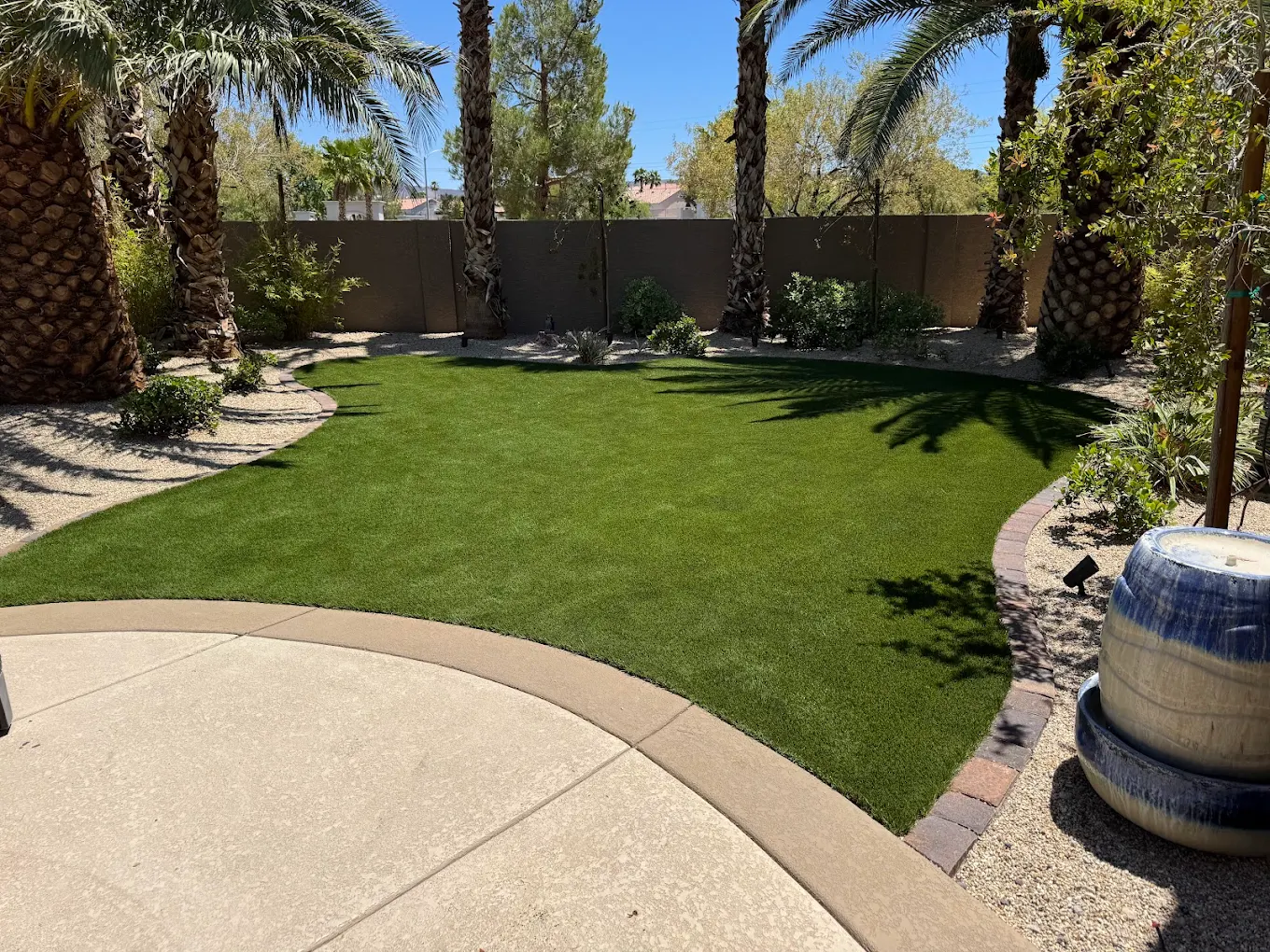
Most Henderson homeowners assume the desert climate makes algae impossible on artificial turf. Wrong. Algae and moss only need three things to thrive: moisture, shade, and organic nutrients. Even in the driest parts of the valley, areas near pool decks in Inspirada, north-facing walls in Anthem, and shaded corners next to block walls in Paradise can harbor enough moisture from irrigation overspray and condensation to support algae colonies.
The organic nutrients that fuel algae growth come from decomposing leaves, pet waste, food particles, and even fine dust that settles on turf surfaces. Here is the thing. Henderson desert dust contains mineral-rich particles that actually accelerate algae growth when combined with consistent moisture. Once a colony establishes itself, it can spread rapidly across your turf surface, particularly during the milder months of October through April when temperatures support sustained biological activity.
Moss is less common than algae in Henderson but does appear in persistently damp, heavily shaded areas where drainage is poor. Properties near golf courses in Green Valley and in neighborhoods with mature tree canopies in older parts of Henderson occasionally develop moss patches on turf that stays wet from irrigation systems or pool splash zones.
Algae or Moss? How to Tell
Distinguishing between algae and moss matters because removal methods differ slightly. Algae appears as a thin, slimy film that can be green, brown, or even black. It makes your turf surface dangerously slippery when wet and often produces a musty, unpleasant odor. You can usually feel algae before you see it. Affected areas will feel noticeably slicker underfoot compared to clean sections of turf.
Moss grows as thicker, spongy clumps with visible structure and texture. It tends to establish in specific spots rather than spreading as a thin film. Moss often grows between turf fibers and around the base of the blades. It is more firmly attached to the surface than algae and usually requires physical removal in addition to chemical treatment. Both organisms indicate excessive moisture and insufficient sunlight in the affected areas.
How to Remove Algae and Moss Safely
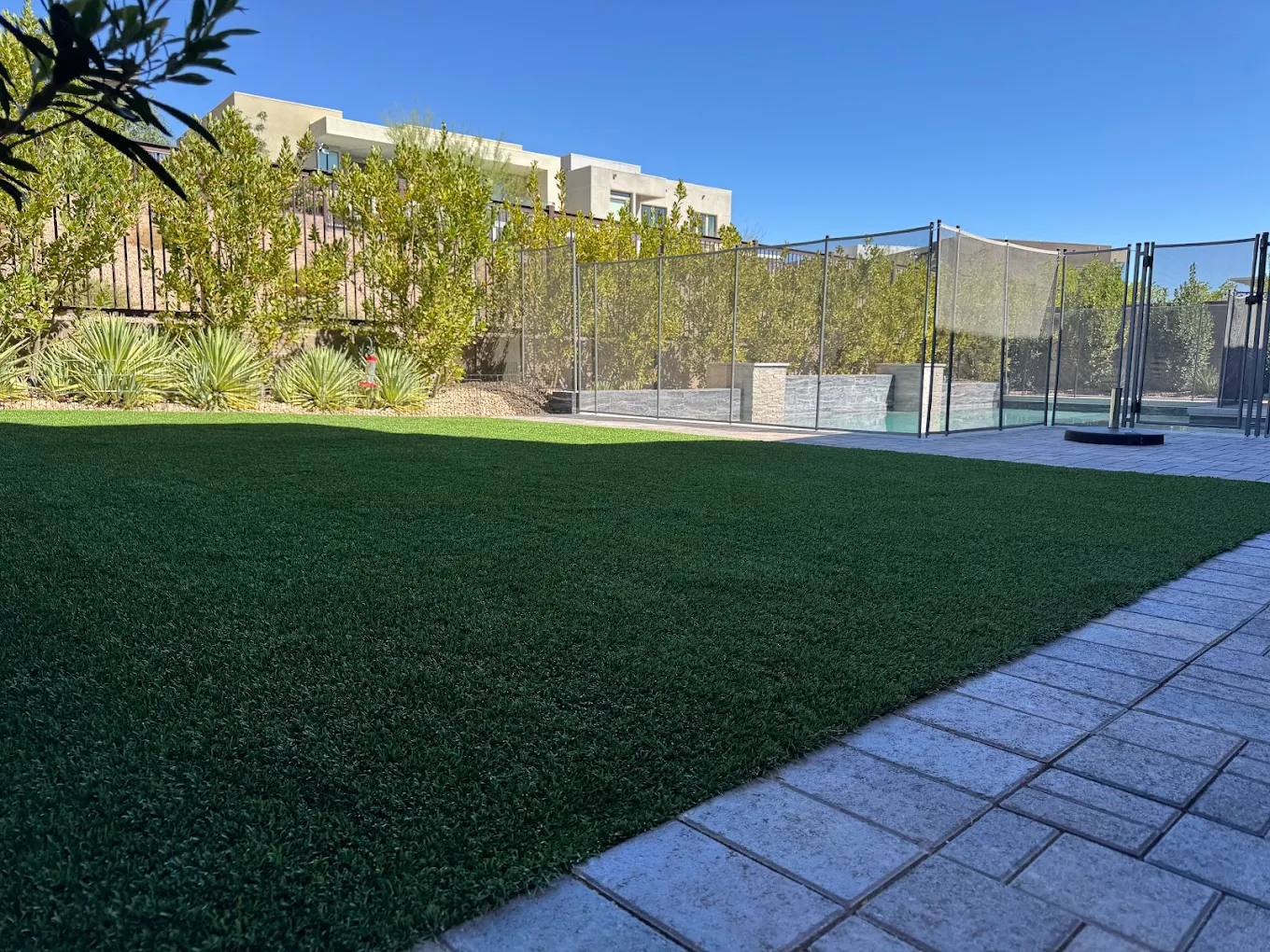
For light algae growth, a thorough scrub with a stiff brush and equal parts white vinegar and water is often enough. Spray the solution generously over the affected area. Let it sit for 15 to 20 minutes. Then scrub vigorously with a push broom or stiff-bristle brush. Rinse the area completely with clean water. The acidity of vinegar kills algae cells without damaging turf fibers or harming surrounding landscape plants in your Centennial Hills or Seven Hills yard.
For heavier infestations or stubborn moss patches, you need a turf-safe biocide or algaecide. These products are specifically formulated to kill algae and moss on synthetic surfaces without degrading the polymers in turf fibers or backing materials. Follow the manufacturer instructions carefully regarding dilution rates, dwell times, and rinsing requirements. After chemical treatment, physically remove dead moss clumps with a rake or brush to prevent them from becoming food for the next algae bloom.
- Apply 50/50 vinegar and water solution for light algae films
- Use turf-safe biocide for heavy or recurring infestations
- Scrub affected areas with stiff synthetic-bristle brush
- Physically remove dead moss clumps after chemical treatment
- Rinse treated areas thoroughly with clean water
- Repeat treatment after 7 to 10 days if growth persists
Never use copper sulfate-based algaecides on artificial turf. While effective on algae, copper sulfate can permanently stain turf fibers blue-green and may damage the backing material.
Want Us to Handle It Instead?
Get a free quote for your Henderson property. Same-day appointments available.
Stop Algae Before It Starts
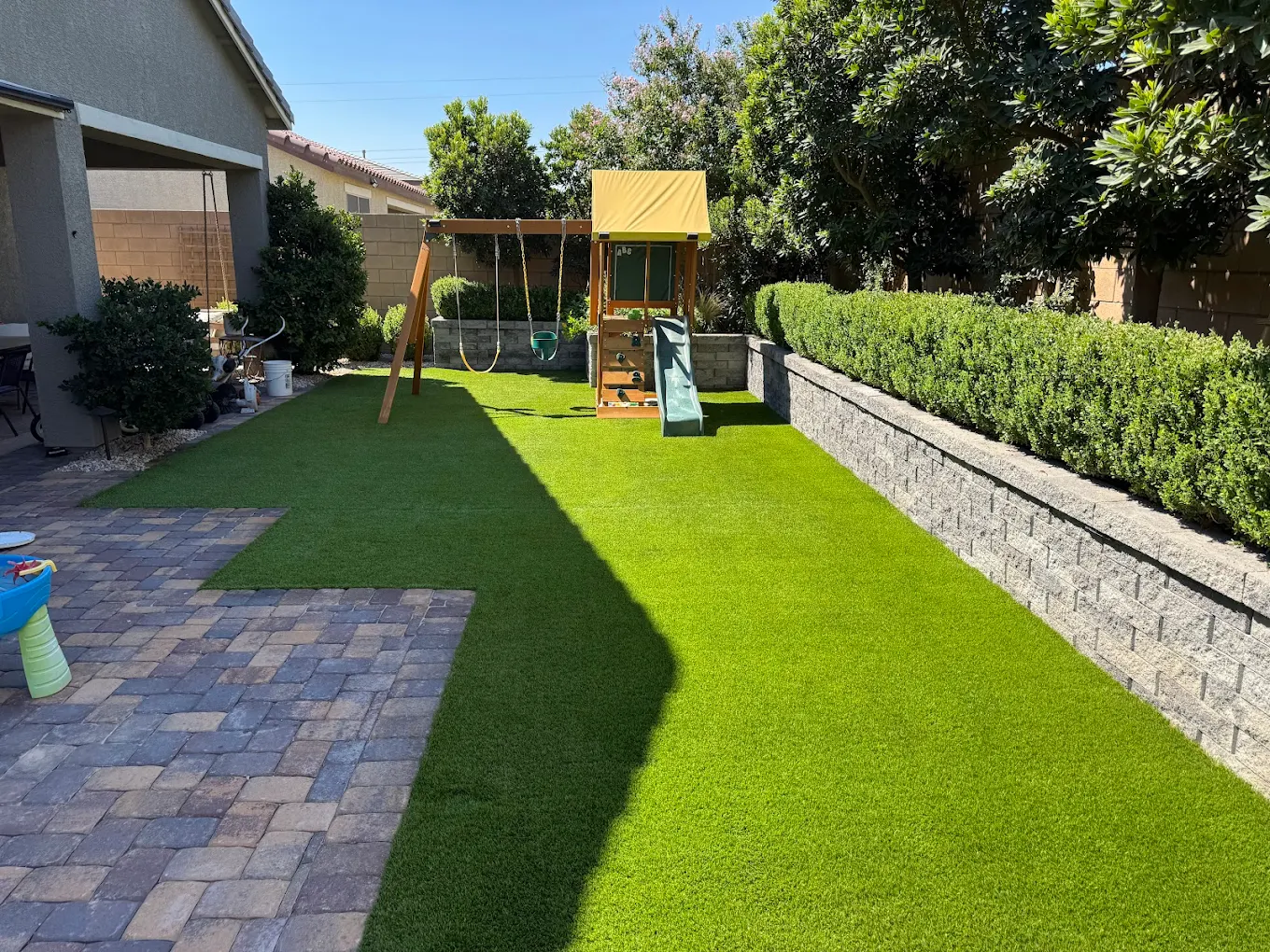
The most effective prevention strategy is eliminating the conditions that allow algae and moss to establish. Improve drainage in problem areas so water does not stand on the surface or remain trapped in the infill long enough to support growth. Trim overhanging trees and hedges to increase sunlight exposure. This reduces the shaded, damp microclimates these organisms prefer. Homeowners in Southern Highlands and Cadence with dense landscaping around their turf should pay particular attention to airflow and light access.
Regular cleaning removes the organic nutrients that fuel algae and moss colonization. Promptly remove fallen leaves. Clear pet waste daily. Flush turf with clean water every two to four weeks. This denies these organisms the food they need to establish. Adjust irrigation schedules to avoid overwatering turf areas, especially in cooler months when evaporation rates drop significantly. This keeps moisture levels below the threshold for biological growth.
Apply a preventive turf-safe antimicrobial treatment in early October and again in February to protect your turf during the prime algae growth season when temperatures are moderate and morning dew provides consistent moisture.
Safety Hazards You Should Know About
Beyond cosmetic damage, algae on artificial turf presents genuine safety hazards. Algae-covered turf becomes extremely slippery when wet. This creates a fall risk for children, elderly family members, and pets. Emergency rooms in the Henderson valley treat slip-and-fall injuries related to algae-slicked outdoor surfaces each year, particularly during cooler months when morning dew keeps algae moist and slippery well into the day.
Some types of algae and mold associated with chronically damp turf can also trigger allergic reactions and respiratory irritation, especially for individuals with asthma or environmental sensitivities. If you notice a persistent musty smell around your turf in MacDonald Ranch or any other neighborhood, even without visible algae growth, it may indicate microbial activity in the infill that should be addressed with a thorough deep cleaning and antimicrobial treatment.
When to Call Artificial Turf Cleaning Henderson
When algae or moss has penetrated deep into the infill or recurs despite repeated DIY treatment, professional intervention is the most efficient path forward. Professional turf cleaners use commercial-grade antimicrobial solutions and high-volume flushing equipment that treats the full depth of the turf system, not just the visible surface. This comprehensive approach eliminates spores and colonies hiding in the infill and sub-base that home treatments cannot reach.
Professional services typically include a full assessment of the drainage and moisture conditions contributing to growth. This allows them to address root causes rather than just symptoms. They may recommend drainage improvements, infill replacement, or irrigation adjustments specific to your property. For homes in Henderson, Green Valley, and other areas with recurring moisture problems, a professional maintenance plan with preventive antimicrobial applications can keep algae and moss from returning.