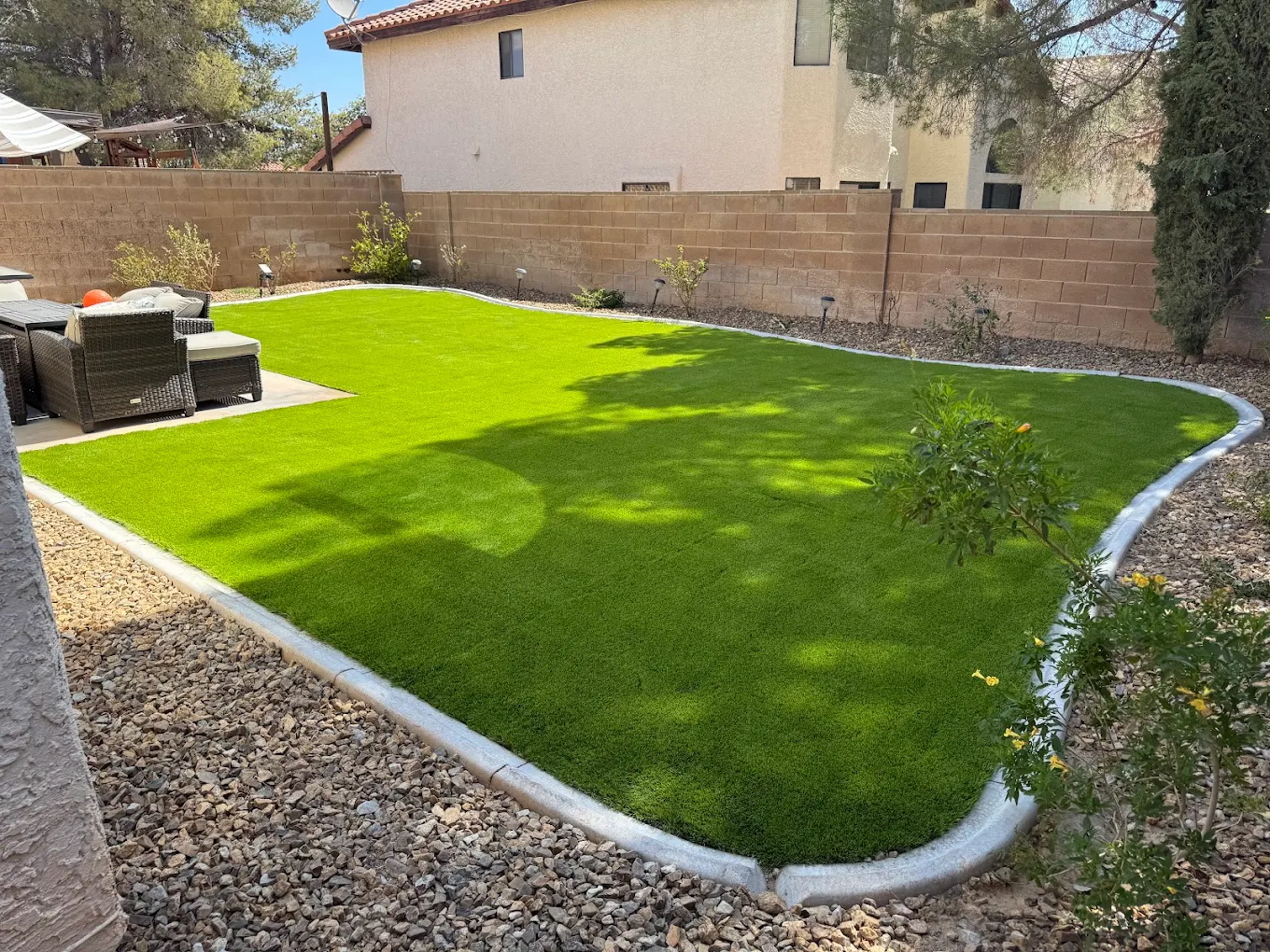
Why the Base Matters More Than the Turf
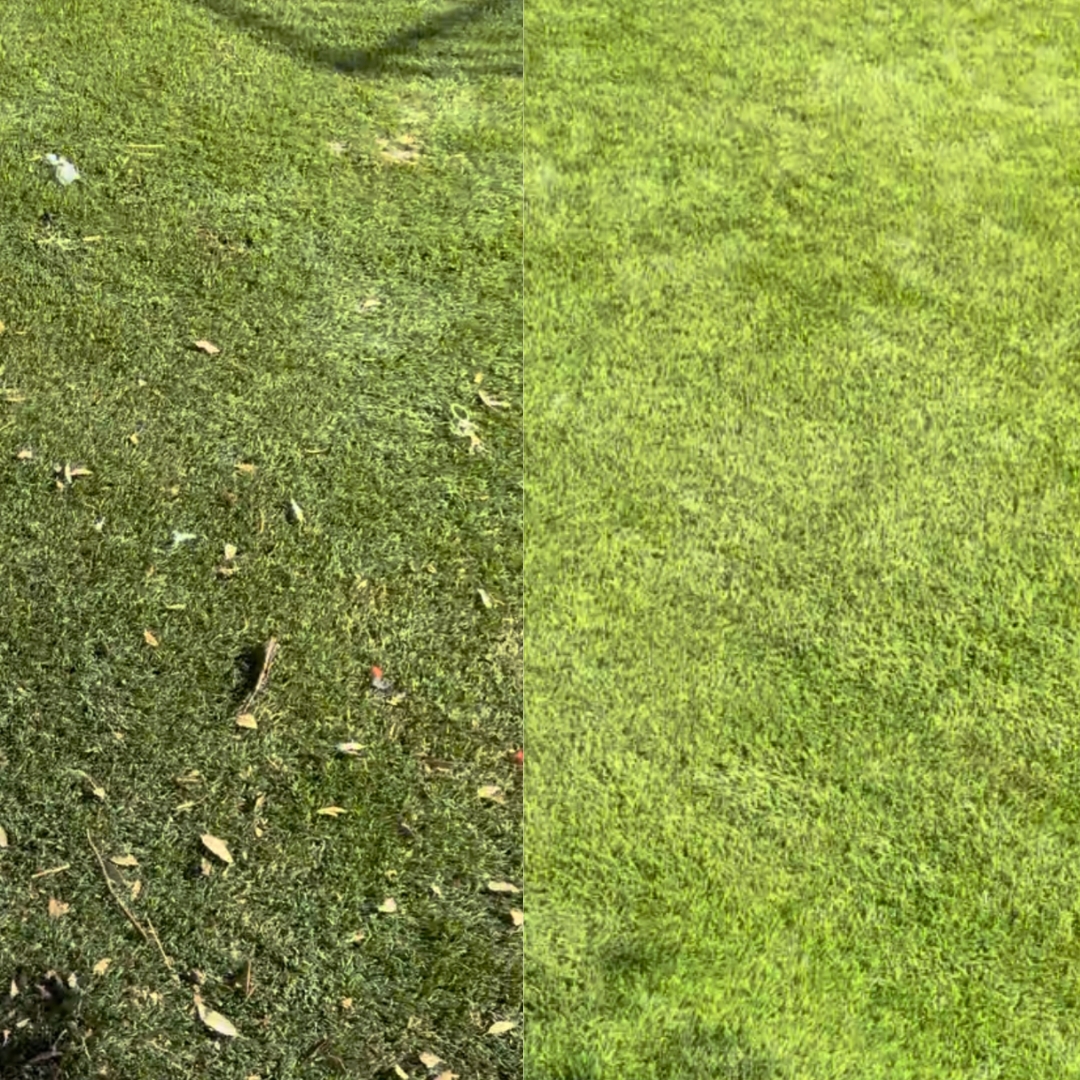
Here is a truth bomb from every veteran Henderson turf installer Artificial Turf Cleaning Henderson talks to: the base matters more than the turf itself. What sits under your synthetic grass controls drainage, stability, levelness, weed resistance, and how many years you actually get out of the installation. You could lay top-shelf turf on a weak base and it will perform worse than bargain turf on a rock-solid foundation. Still, a lot of homeowners obsess over turf selection and barely think about what goes underneath.
Henderson throws some curveballs that other markets just do not deal with. The caliche soil running through neighborhoods from Henderson to North Henderson is practically waterproof when it dries out, which means standard base prep might not cut it here. Wild temperature swings expand and contract the soil, shifting base materials and creating uneven surfaces. And because it barely rains, the moment water does show up from cleaning, a monsoon burst, or pool splash-out, the drainage better work right away or you are in trouble.
Knowing the pros and cons of each base option for Henderson conditions puts you in a much better position to protect your investment long-term. If there is one place to open the wallet, it is the base. Fixing foundation issues after the turf is already down is expensive, messy, and totally avoidable.
Class II Road Base (Crushed Aggregate)
Class II road base, sometimes called crushed miscellaneous base or CMB, is the gold standard for Henderson turf jobs and the material Artificial Turf Cleaning Henderson sees recommended most often. It is a mix of crushed stone particles ranging from fine dust up to three-quarter-inch chunks that lock together into a super-dense foundation once compacted. Most installations call for 3 to 4 inches of Class II base run over with a plate compactor until it hits 90 percent density or better.
What makes Class II base perfect for Henderson is the balance of solid drainage and surface stability. Those angular, interlocking particles stay put through foot traffic and temperature swings, keeping your surface level for years. Drainage rates blow past 10 inches per hour when the material is graded correctly, which handles even the gnarliest monsoon downpours across Summerlin, Paradise, and Enterprise. You can pick it up from local aggregate suppliers for about 25 to 40 dollars per ton, so it works for big projects and small ones alike.
- The go-to base material for Henderson turf projects
- Locks together tightly for years of stable performance
- Drains at 10 plus inches per hour when graded properly
- Available from local suppliers at roughly 25 to 40 dollars per ton
- Needs 3 to 4 inches of depth compacted to 90 percent plus density
- Works with every turf product and infill system out there
Pro move: ask your supplier to deliver the Class II base slightly damp. Moist aggregate packs down more evenly than dry stuff, giving you a tighter, more stable foundation that holds up better through Henderson temperature swings.
Decomposed Granite as a Turf Base
Decomposed granite is sometimes used as an alternative base material, particularly when homeowners are repurposing existing DG from a previous landscape. While DG can function as a base, it has significant limitations compared to Class II road base for Henderson turf installations. DG compacts less densely than crushed aggregate due to its more uniform particle size, creating a base that is more prone to shifting and settling over time.
Drainage through DG base is generally adequate but less consistent than through Class II aggregate. The fine particles in DG can migrate downward and compact into a less permeable layer over time, particularly when subjected to repeated wetting and drying cycles from turf cleaning and monsoon events. Installers in Henderson, Spring Valley, and Green Valley who have used DG as a base material report higher rates of surface irregularities developing within 3 to 5 years compared to Class II base installations.
Want Us to Handle It Instead?
Get a free quote for your Henderson property. Same-day appointments available.
Specialty Drainage Systems and Panels
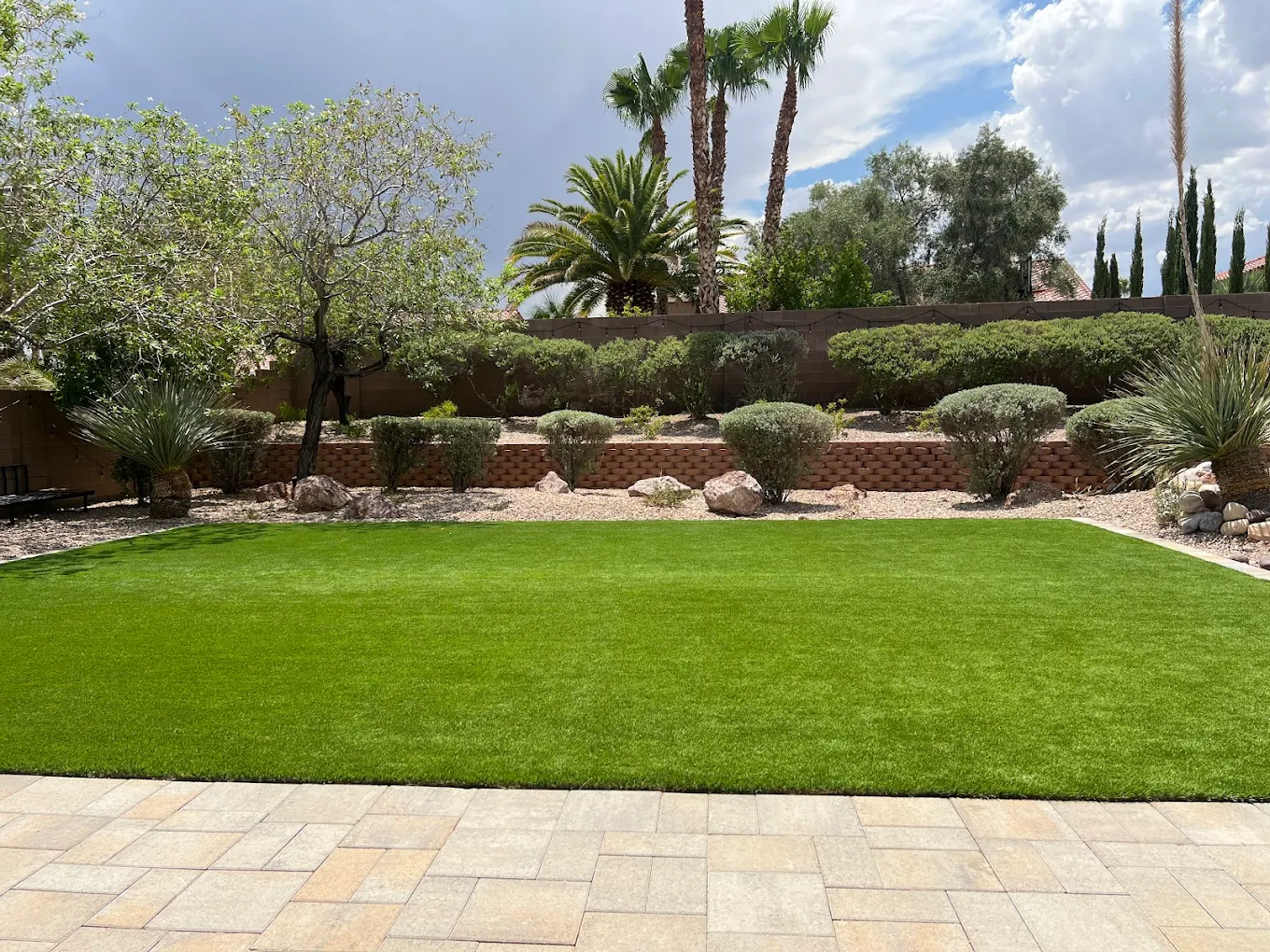
When a standard aggregate base cannot keep up, specialty drainage systems pick up the slack. Drainage panels (geocomposite drainage layers) are rigid or semi-rigid sheets with built-in channels that route water sideways to collection points. They sit between the base and turf, forming a dedicated drainage plane that handles heavy water volumes from pool areas, pet zones, and spots where roof runoff concentrates.
French drains and channel drains solve the site-specific drainage headaches Henderson is famous for. Side yards, areas next to pool equipment, and low spots that collect water naturally often need more than a basic base can handle. Properties in North Henderson, Boulder City, and older Paradise neighborhoods with grading issues or clay-heavy soil benefit the most from these add-ons. Spending an extra 2 to 5 dollars per square foot on specialty drainage is a smart call when a standard base just cannot keep the site dry.
Weed Barrier Integration with Base Systems
A weed barrier between native soil and base material stops vegetation from tunneling up through your turf. In Henderson, Bermuda grass and nutgrass are absolute beasts that punch through things you would never expect, so commercial-grade weed fabric is a must. That flimsy landscape fabric from the hardware store? It breaks down way too fast under compacted base to do any real good long-term.
Go with commercial-grade woven geotextile rated at 4 ounces per square yard or heavier for reliable weed suppression that still lets water drain through. Run the fabric a few inches past the turf edges and overlap seams by at least 6 inches so nothing sneaks through the gaps. Artificial Turf Cleaning Henderson has seen plenty of Centennial Hills and Enterprise homeowners who skimped on weed barrier only to have Bermuda grass poking through within 2 to 3 years, and the fix is never cheap.
Seriously, do not skip the weed barrier in Henderson. Bermuda grass and nutgrass can power through 4 inches of packed base. Use commercial-grade geotextile at 4 ounces per square yard minimum if you want real weed prevention.
Choosing the Right Base for Your Installation
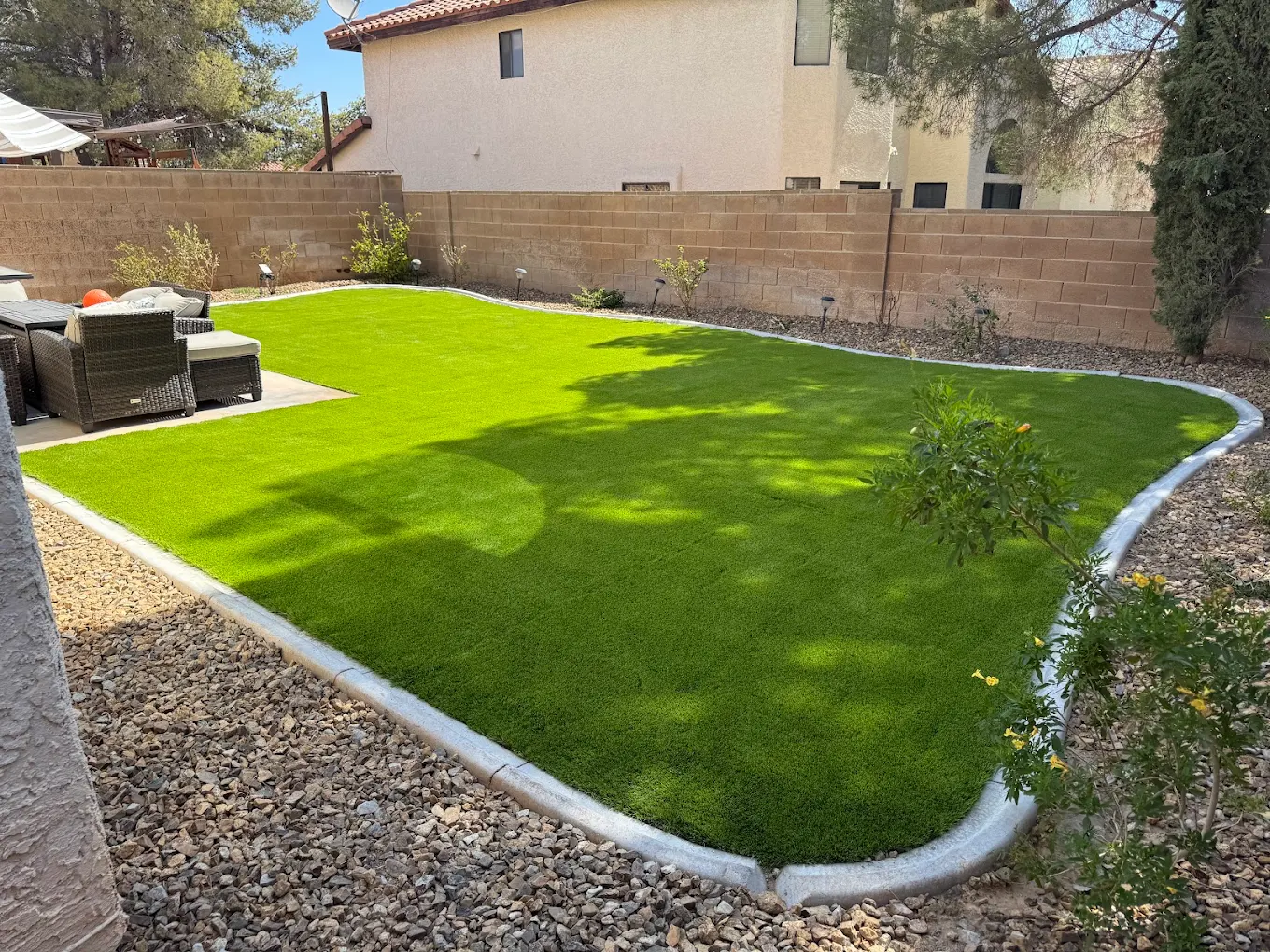
For the vast majority of Henderson residential and commercial turf installations, 3 to 4 inches of properly compacted Class II road base over commercial-grade weed fabric provides the optimal combination of drainage, stability, and longevity. This proven system handles typical residential drainage demands, withstands Henderson thermal cycling, and supports all common turf products and infill types. Most experienced local installers agree it is the benchmark everything else gets measured against.
Step up to specialty drainage panels or supplemental drains when the site has specific challenges: pool-side zones, concentrated roof runoff areas, heavy pet-use spots, narrow side yards, or properties sitting on caliche or clay that blocks natural drainage. These pop up regularly across Green Valley, Southern Highlands, and Spring Valley, so most installers keep drainage add-ons ready to go.
No matter which base you go with, do not skimp on compaction. Loosely packed base settles unevenly, creating bumps, dips, and wrinkles that only get worse over time. Fixing it means pulling up the turf and re-grading from scratch. Insist on mechanical compaction with a plate compactor and confirm the finished base is level and firm before any turf goes down.