Why Sticky Substances Are a Problem on Artificial Turf
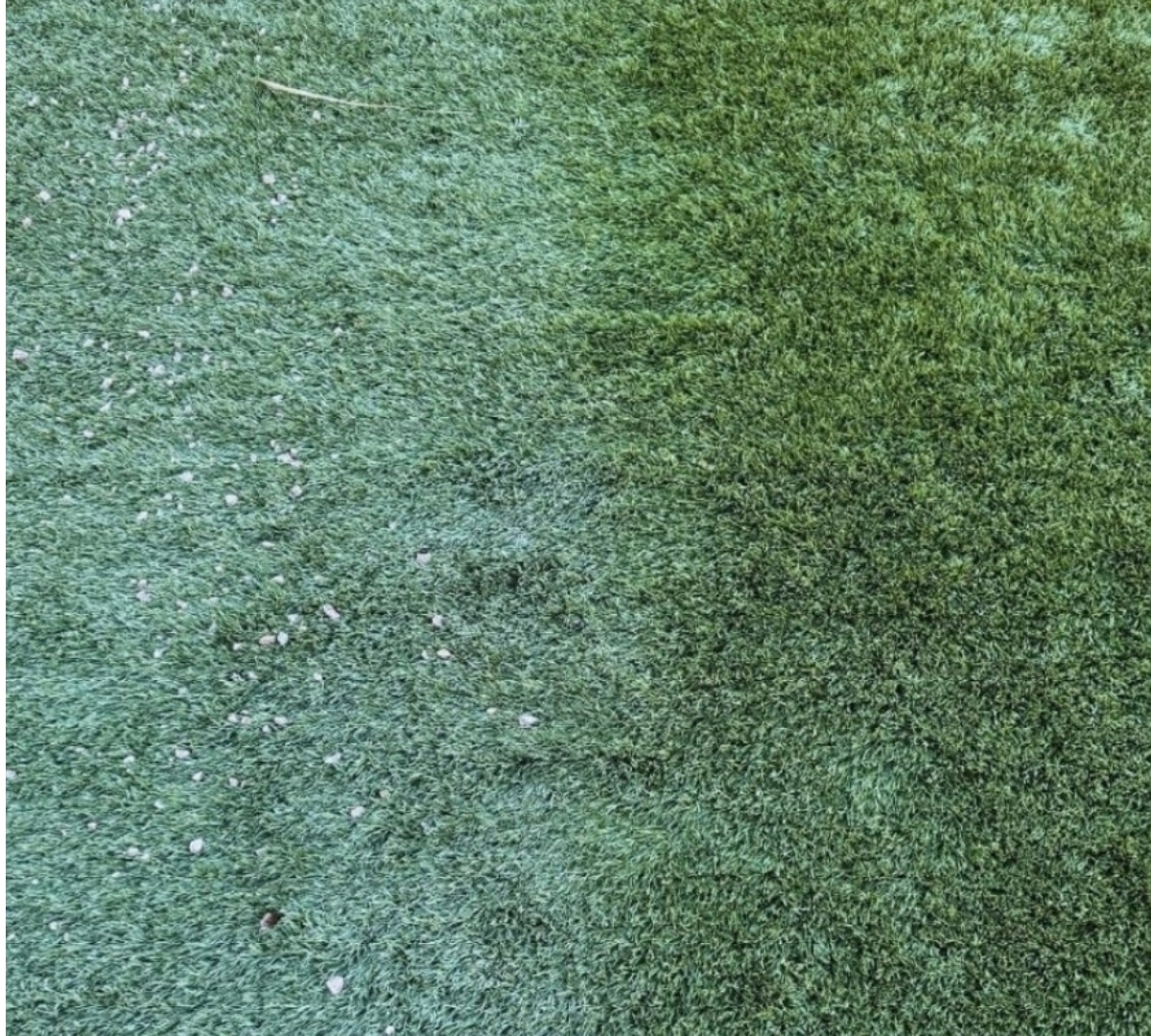
Sticky stuff like chewing gum, candy, tree sap, tape residue, and melted popsicles is a special kind of headache on artificial turf because it bonds directly to individual fiber blades and laughs at water-based cleaning. Unlike regular spills that sit on the surface, sticky materials wrap around fibers and harden into a death grip that only gets tighter as the substance dries or cools. In Henderson neighborhoods like Summerlin, Henderson, and Spring Valley where kids play outside year-round, gum and candy are the sticky culprits we hear about most.
Henderson heat throws an extra curveball at sticky substance removal. During summer, gum and candy soften in the extreme heat and spread across way more fibers before you even find them, making the mess bigger and tougher to clean. Then the rapid evening cooldown hardens everything right onto the fiber tips, so by the next morning you are dealing with a seriously bonded mess. Timing your cleanup around temperature conditions is a real factor in getting good results.
The Ice and Freezing Method
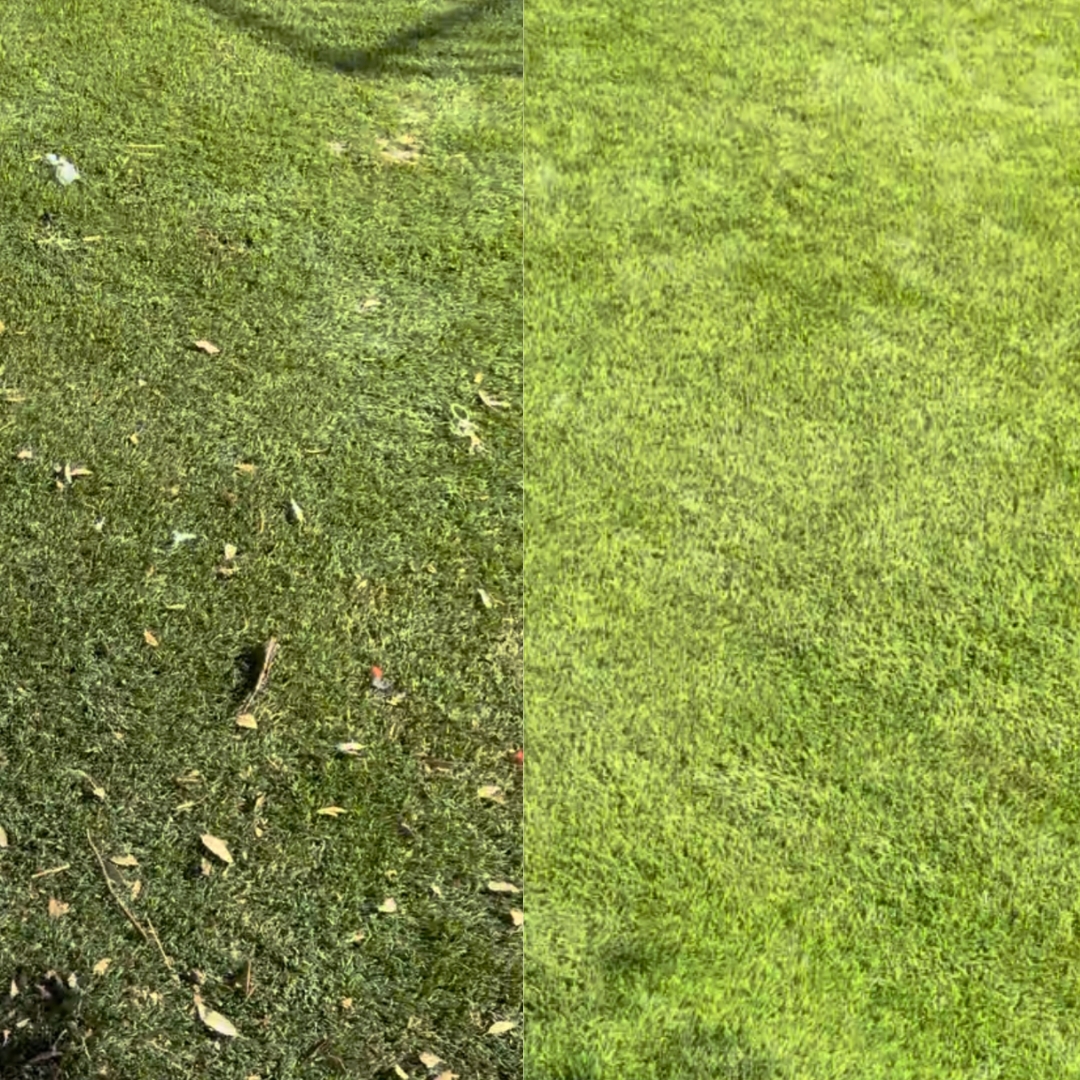
Freezing is your best first move for getting gum and most other sticky substances off turf. The idea is straightforward: cold makes sticky stuff brittle, so you can snap it off the fibers instead of stretching and smearing it everywhere. Drop a bag of ice or a cold pack directly on the sticky spot and leave it for 10 to 15 minutes until the material freezes solid. During Henderson summer, you might need a bigger ice pack or a second round since the hot surface temperature fights you the whole way.
Once it is frozen solid, grab a plastic scraper, old credit card, or butter knife and carefully chip the substance away from the fiber tips. Work from the edges toward the center, breaking off small pieces instead of trying to peel the whole glob at once. The goal is to get the bulk out mechanically while it is brittle, then clean up leftover residue with a solvent. This works really well for chewing gum, caramel, taffy, and most candies that end up in yards across Paradise and Green Valley.
Stash a can of compressed air (the electronics cleaning kind) in your turf kit. Spray it upside down and it blasts out super-cold gas that freezes small sticky spots in seconds. Way faster than waiting for ice to work on a scorching Henderson day.
Solvent-Based Removal for Stubborn Residue
After you have frozen and chipped away the bulk of the sticky stuff, some residue usually hangs around on the fiber surfaces. A bit of rubbing alcohol, mineral spirits, or commercial adhesive remover on a clean cloth dissolves that leftover stickiness without hurting your turf fibers. Dab the solvent on instead of pouring it, since too much liquid can seep into the infill and cause problems below the surface.
Gently work the solvent into the residue with a soft cloth or cotton ball, then wipe clean with a fresh cloth. Keep going until nothing sticky transfers to the cloth anymore. After the solvent treatment, flush the spot with water and mild dish soap to clear any solvent residue from the fibers and infill. This rinse step matters because leftover solvent attracts dirt and creates a whole new mess, especially in the dusty conditions you get across Centennial Hills and North Henderson.
Always spot-test any solvent on a hidden section of turf first to check for discoloration or fiber damage. Some older or lower-quality turf materials do not play well with petroleum-based solvents. Give it 30 minutes after testing before you check for any bad reactions.
Want Us to Handle It Instead?
Get a free quote for your Henderson property. Same-day appointments available.
Removal Guide for Specific Sticky Substances
Different sticky substances need different approaches. Tree sap, super common on turf under mesquite and other landscape trees in Southern Highlands and Enterprise, dissolves nicely with rubbing alcohol or hand sanitizer. Apply generously, wait two minutes, then wipe with a clean cloth. For tape residue from party decorations, outdoor events, or construction tape, a commercial adhesive remover like Goo Gone does the trick when you use it sparingly and follow up with a soap-and-water rinse.
Melted candy and popsicle stains call for a two-step approach: dissolve the sugar with warm water first, then go after any remaining sticky coloring with mild dish soap. For waxy stuff like crayon marks or candle drips, freeze first, chip off the bulk, then hit the residue with a small amount of mineral spirits. Silicone-based products like sealants or lubricants that drip onto turf respond best to a dedicated silicone remover, available at hardware stores around the valley.
- Chewing gum: Freeze it solid with ice, chip it off, dissolve residue with rubbing alcohol
- Tree sap: Soak with rubbing alcohol or hand sanitizer, wait two minutes, wipe away
- Tape residue: Apply a commercial adhesive remover like Goo Gone, then rinse with soapy water
- Melted candy: Warm water dissolves the sugar, mild dish soap tackles the sticky color
- Candle wax: Freeze first, chip off the bulk, then mineral spirits for the residue
- Silicone products: Grab a dedicated silicone remover from your local hardware store
Preventing Sticky Substance Problems
You cannot completely sticky-proof your turf, but a few smart moves cut down on how often you deal with these messes. Set a no-gum rule for the turf area if you can, especially in homes around Henderson and Summerlin with kids who play on the lawn daily. Put trash cans with lids near play and entertaining areas so sticky wrappers and food waste have a convenient landing spot that is not your turf.
For tree sap, which is a seasonal headache in plenty of Henderson yards, trim back any branches that overhang the turf area or put up a temporary mesh canopy during peak sap season. If your turf sits under trees in Boulder City or Green Valley that consistently drip sticky stuff, a weekly inspection and spot-clean routine just for sap keeps things manageable instead of letting it pile up into a major cleanup job.
When to Call a Professional for Sticky Messes
Most sticky situations you can handle at home with the methods above, but some call for backup. Large turf areas covered in a sticky substance, like a spilled bucket of adhesive or widespread tree sap buildup, benefit from professional equipment that can treat the whole affected zone efficiently. Same goes if a sticky substance has been ground into the turf by foot traffic and has worked its way deep into the infill, because surface-level treatment alone will not cut it.
Artificial Turf Cleaning Henderson and other professional cleaners use commercial-grade solvents and extraction equipment that pull contaminants from the full depth of the turf system. We can also check whether the sticky substance caused any fiber damage that needs attention beyond a simple cleaning. If you have tried DIY removal without luck or you are nervous about using solvents on your specific turf type, a professional consultation gives you expert guidance and peace of mind.