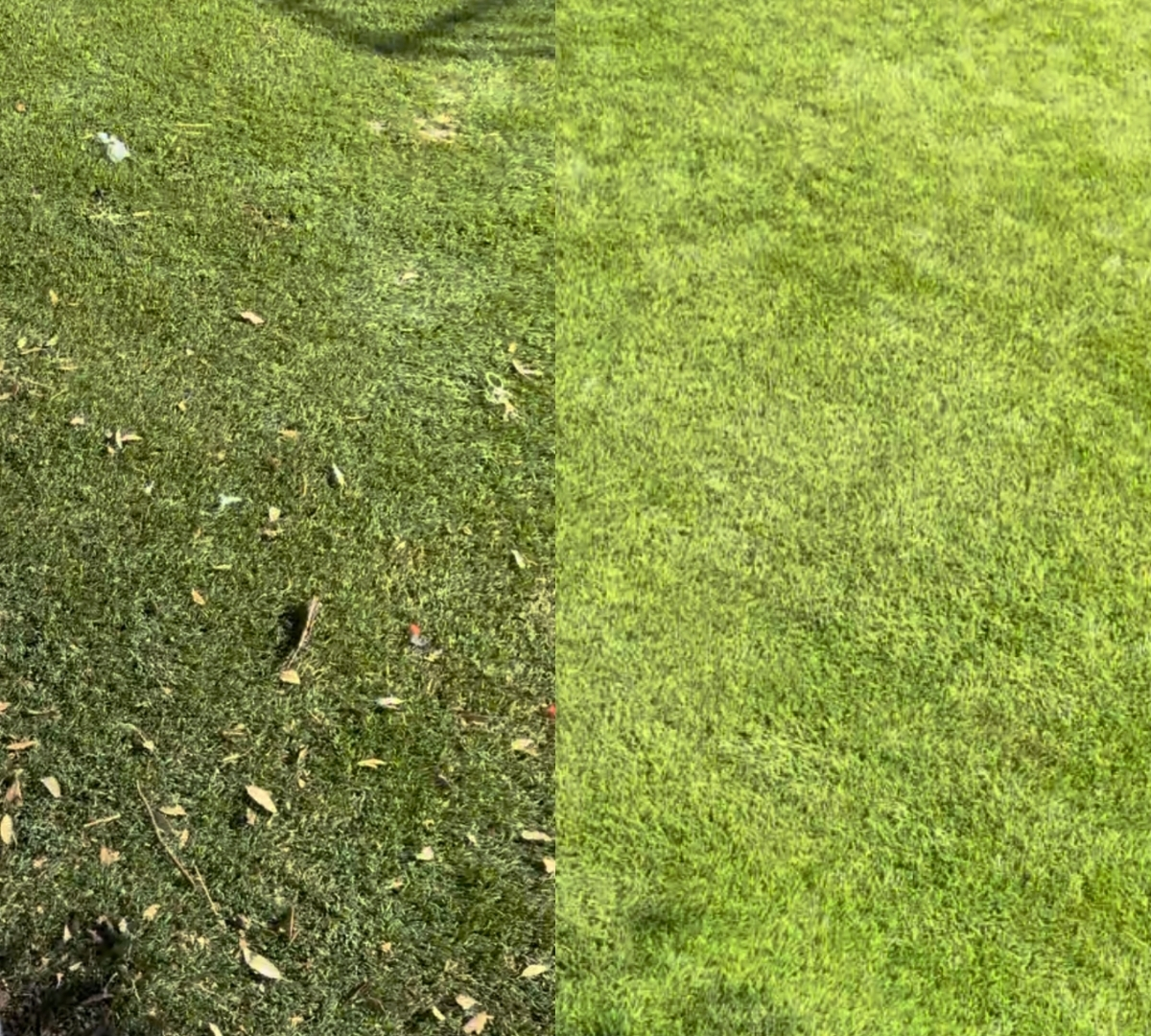
Common Stain Types on Henderson Artificial Turf
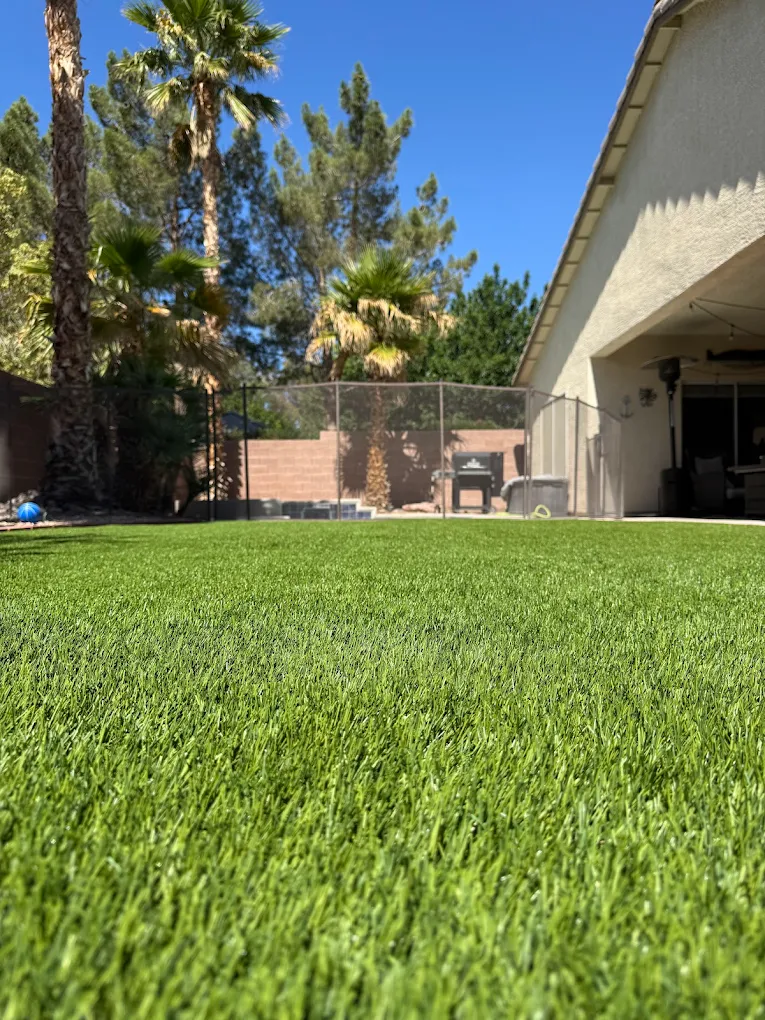
Living in Henderson means your artificial turf faces a unique combination of stain sources that homeowners in other climates rarely encounter. Between backyard barbecues in Green Valley, poolside gatherings in Seven Hills, and the constant desert dust that settles across every surface, your synthetic lawn is constantly under assault. The intense UV exposure and extreme heat can also bake stains into turf fibers if they are not addressed quickly. Prompt action is essential.
The most frequent culprits include food and beverage spills from outdoor entertaining, pet waste stains, rust marks from patio furniture, oil drips from grills and vehicles, and organic discoloration from fallen leaves or bird droppings. Each stain type requires a different removal approach. Using the wrong technique can actually set the stain deeper into the fibers. Understanding what you are dealing with is the first step toward restoring your turf to its original appearance.
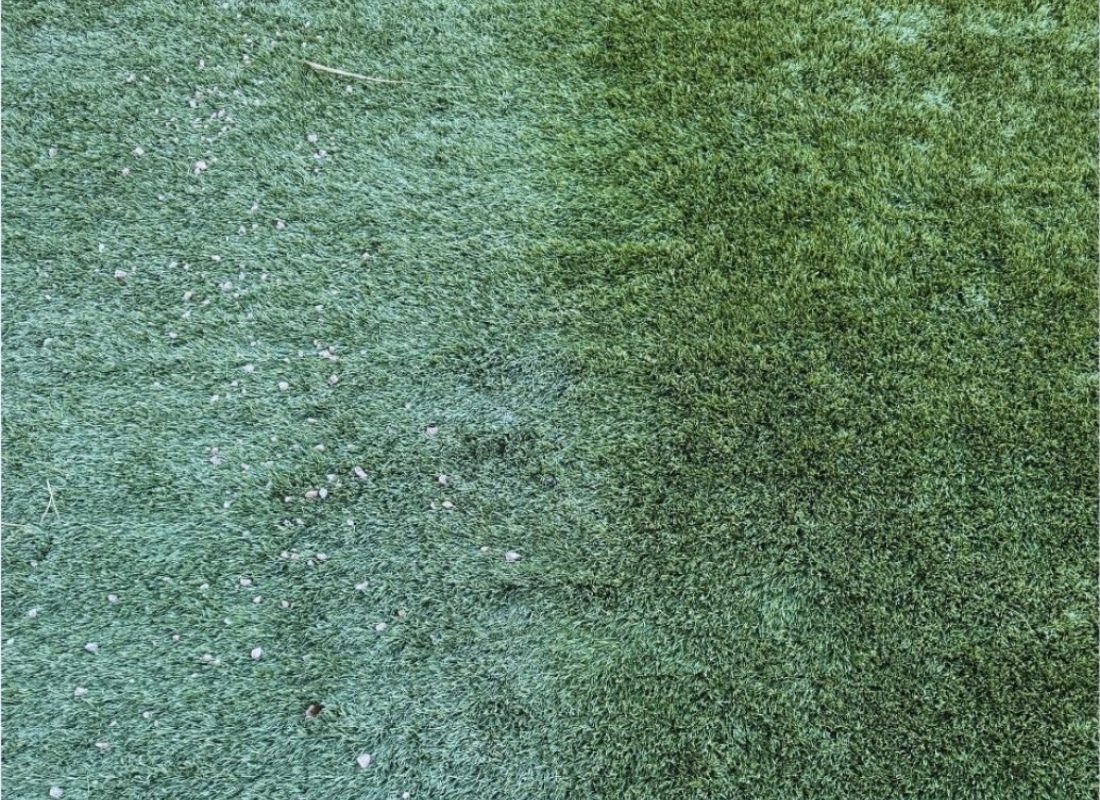
Desert specific stains also plague Henderson homeowners in neighborhoods like Anthem and MacDonald Ranch. Hard water mineral deposits leave white, chalky residue on turf blades. Red desert clay tracked in from construction sites or hiking trails can discolor large sections of your lawn. Dust storm residue, though not a traditional stain, creates a dingy film that requires targeted cleaning beyond simple rinsing.
Removing Food and Beverage Stains
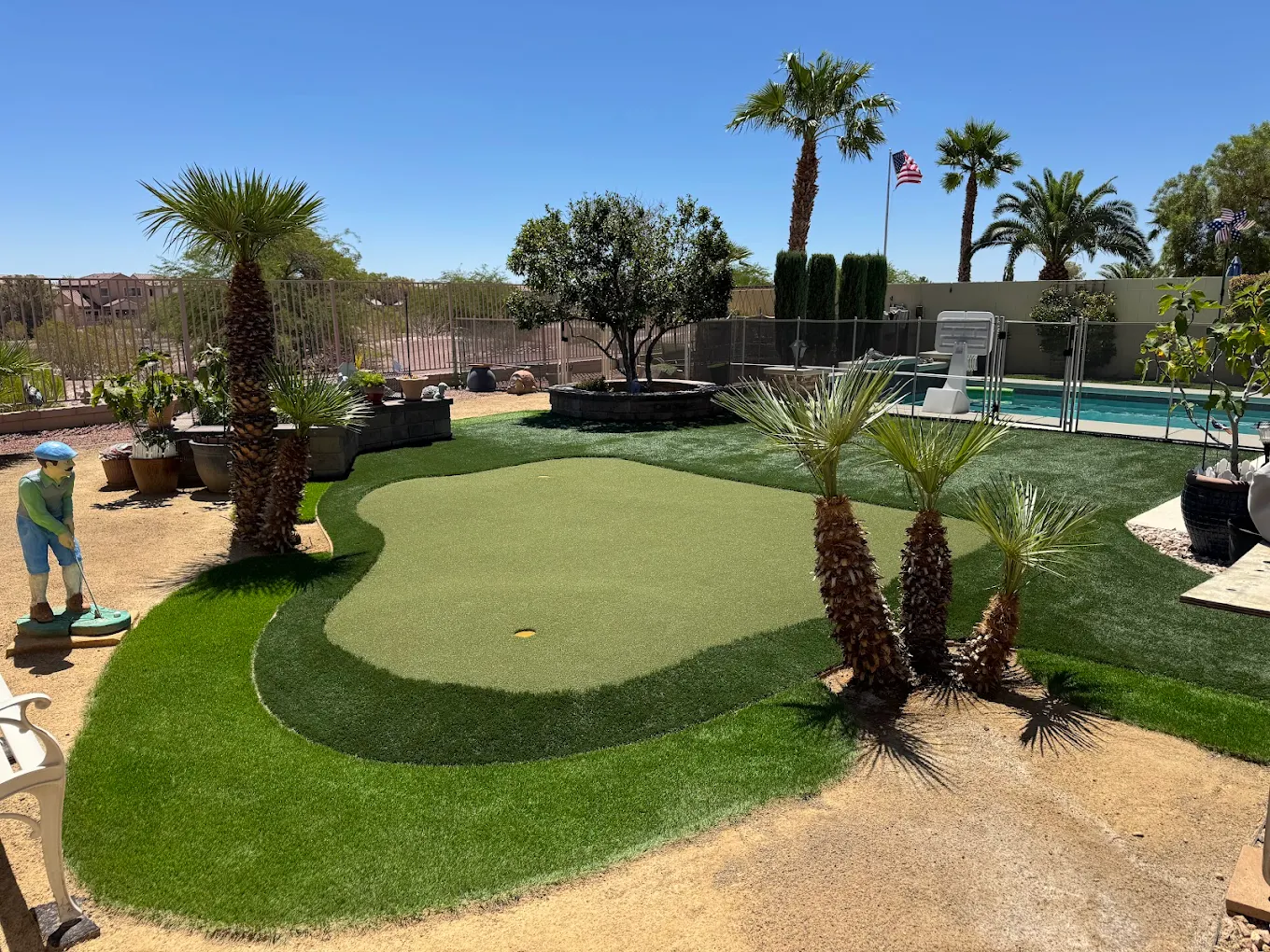
Food and drink spills are among the most common stains on Henderson artificial turf, especially during the prime outdoor entertaining season from October through May. Ketchup, mustard, wine, soda, and grease from grilling are frequent offenders across backyards in Lake Las Vegas and Inspirada. Here is the deal. The key to successful removal is acting fast. Henderson heat can cause sugary liquids to caramelize and oils to penetrate deep into the turf backing within hours.
For most food and beverage stains, start by blotting up any excess liquid with paper towels or a clean cloth. Do not rub. Rubbing pushes the stain deeper into the fibers. Mix a solution of mild dish soap and warm water, then apply it to the stained area with a soft brush. Work from the outside edges inward to prevent spreading. Rinse thoroughly with clean water and repeat if necessary. For stubborn stains like red wine or berry juice, a 50/50 white vinegar and water solution works remarkably well without damaging turf fibers.
Keep a spray bottle of pre-mixed vinegar solution in your garage so you can treat stains immediately. In Henderson heat, even a 30 minute delay can make removal significantly harder.
Tackling Oil and Grease Stains
Oil and grease stains present a particular challenge because they do not respond to water based cleaning alone. These stains commonly appear near outdoor kitchens and grilling areas throughout Cadence and Anthem, where backyard cooking is practically a year round activity. Automotive fluids dripped on turf from nearby driveways or parked equipment also create stubborn oil marks that require specialized treatment.
Start by absorbing as much oil as possible with cat litter, cornstarch, or baking soda. Let it sit for at least 30 minutes before sweeping it away. Then apply a small amount of mineral spirits or a commercial turf safe degreaser to the affected area using a clean cloth. Work the solution into the stain gently, then follow up with dish soap and warm water to remove any remaining residue. Always test any solvent on a hidden area of turf first to ensure it will not cause discoloration or fiber damage.
Want Us to Handle It Instead?
Get a free quote for your Henderson property. Same-day appointments available.
Removing Rust and Mineral Stains
Rust stains from metal furniture legs, garden tools, and decorative items are a frequent headache for Henderson turf owners. This is especially true during the rare but intense rainstorms that oxidize exposed metal surfaces overnight. The mineral rich hard water that comes through Henderson taps compounds the problem. It leaves white calcium deposits that make turf look perpetually dirty in neighborhoods from Seven Hills to MacDonald Ranch.
For rust stains, commercial rust removers formulated for outdoor use can be effective. Choose products that are pH neutral and safe for synthetic materials. Apply the product directly to the stain, let it dwell for the recommended time, then scrub with a stiff brush and rinse thoroughly. For hard water mineral deposits, white vinegar is your best friend. Spray undiluted vinegar on the affected areas. Let it sit for 15 to 20 minutes, then scrub and rinse. Repeat weekly in problem areas until the buildup is fully dissolved.
Prevention is always easier than removal when it comes to rust and mineral stains. Place rubber or plastic pads under metal furniture legs. Consider installing a water softener or using filtered water for turf rinsing if hard water deposits are a recurring issue at your property.
Never use bleach or harsh acidic cleaners on artificial turf. These chemicals can permanently discolor turf fibers and break down the backing material, voiding manufacturer warranties.
Dealing with Organic Stains and Discoloration
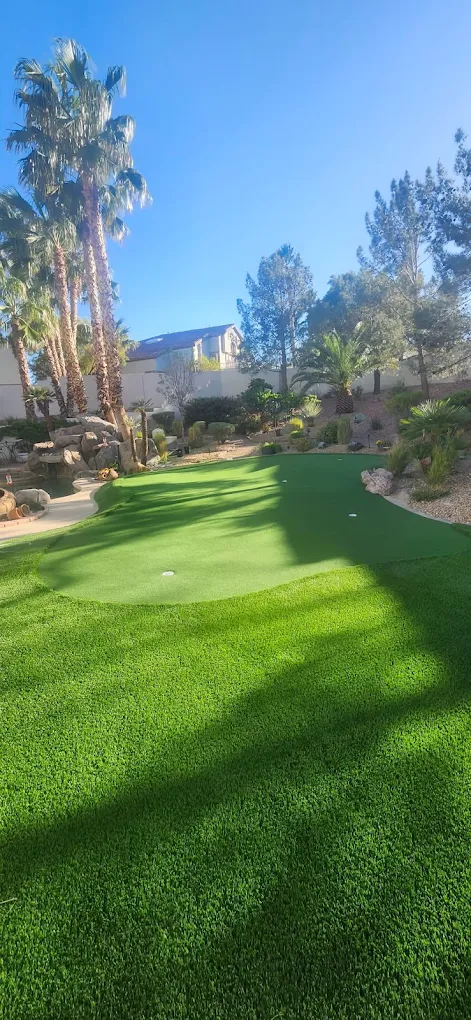
Organic stains from pet waste, bird droppings, tree sap, and decomposing leaves are some of the most persistent marks you will encounter on Henderson artificial turf. The desert heat accelerates decomposition. That means organic matter left on turf even for a day or two can leave behind discolored patches that resist standard cleaning methods. Homeowners in Green Valley near mature landscaping and those in Inspirada with fruit trees are especially prone to these types of stains.
Enzymatic cleaners are the gold standard for organic stain removal because they break down the proteins and compounds that cause discoloration rather than just masking them. Apply the enzymatic cleaner generously to the stained area. Let it work for the time specified on the product label, then rinse with cool water. For dried on bird droppings or tree sap, soften the material first by soaking it with warm water for 10 minutes before applying the enzymatic treatment.
When to Call Professional Turf Cleaners
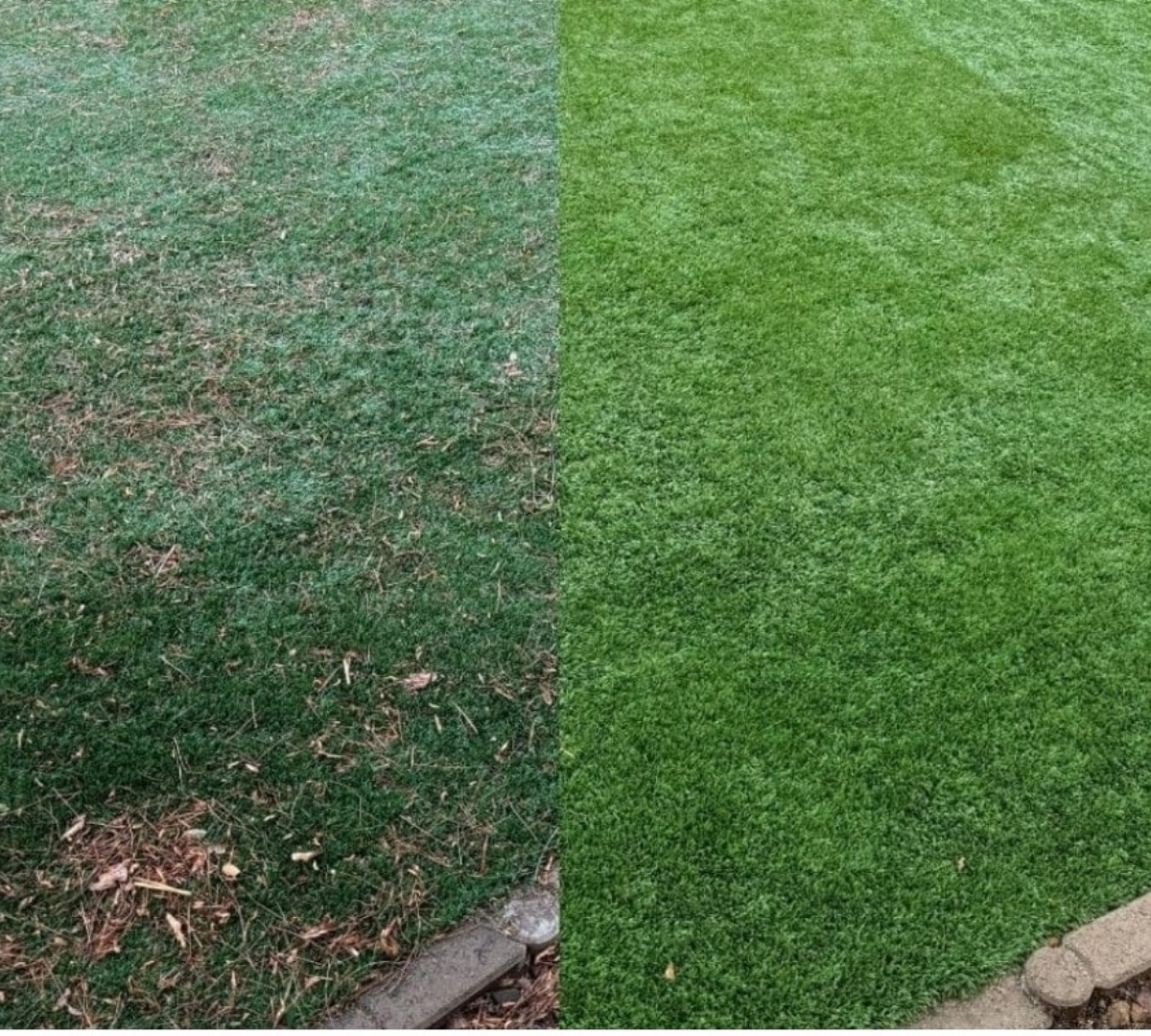
Most stains can be handled with DIY methods. But some situations warrant professional intervention. If a stain has been baked into the turf by weeks of Henderson sun, covers a large area, or involves hazardous materials like paint or chemical spills, professional turf cleaning services have industrial grade equipment and specialized solutions that deliver results beyond what household products can achieve.
Professional cleaning is also the smart choice when multiple stain types are present or when DIY efforts have made things worse. Over scrubbing, using the wrong chemicals, or applying too much water can damage turf fibers, displace infill, and even compromise the drainage system beneath your lawn. A professional assessment can save you money in the long run by treating the problem correctly the first time and preventing permanent damage to your investment.