Winter: January through March
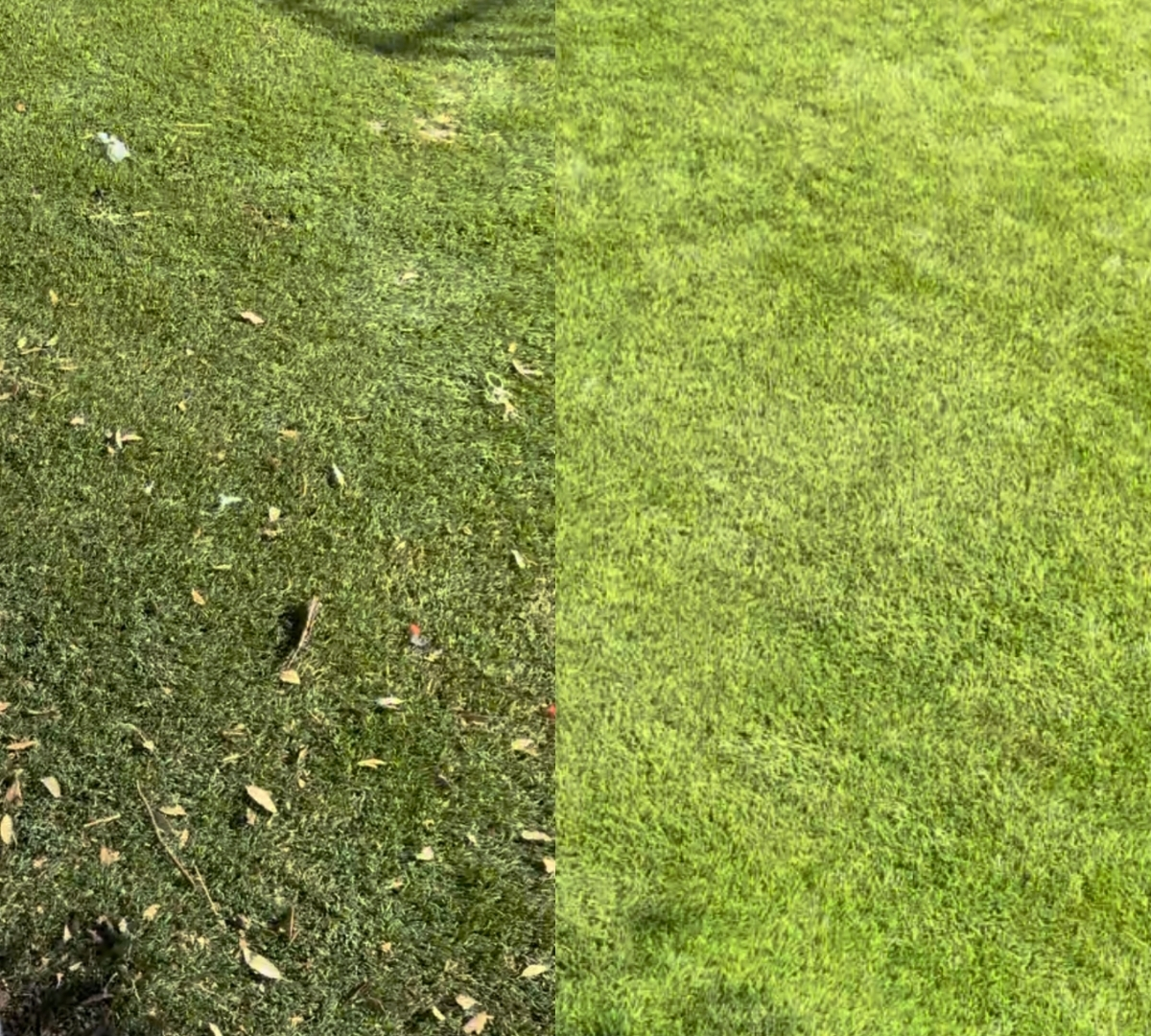
Henderson winters bring mild temperatures ranging from forty to sixty degrees Fahrenheit, creating ideal conditions for thorough turf inspection and maintenance tasks that become uncomfortable during summer heat. Winter represents the lowest-stress period for artificial turf across Summerlin, Henderson, and Spring Valley, with minimal thermal expansion, reduced UV exposure, and occasional rainfall that naturally rinses dust and debris. This season offers the perfect opportunity to address deferred maintenance, schedule professional deep cleaning, and prepare your turf for the demanding spring and summer months ahead.
Winter maintenance focuses on inspection, repair, and preparation rather than heat management or intensive cleaning. Cooler temperatures allow homeowners to spend extended time on hands-and-knees inspections without discomfort, identifying issues like loose seams, drainage problems, compacted infill, or pest activity that may have developed during the previous year. Occasional frost in Centennial Hills and northwest valley areas poses no threat to quality turf but creates beautiful visual opportunities and reminds us that even desert landscapes experience seasonal variation.
January: Post-Holiday Cleanup and Inspection
January marks the perfect time for comprehensive post-holiday cleanup and detailed turf inspection. Holiday decorations, foot traffic from gatherings, and winter debris accumulation require attention before spring arrives. Henderson temperatures hover around fifty degrees during January days, making outdoor work comfortable while most of the country shivers. Begin the year with thorough debris removal using a leaf blower, followed by careful inspection of every turf section to identify any damage or wear patterns that developed during the previous year.
Schedule your first professional deep cleaning of the year during January when service providers typically offer off-season rates and flexible scheduling. Professional cleaning removes dust, organic debris, and bacteria accumulation from the holiday period while restoring proper infill distribution and blade position. This deep clean establishes a fresh baseline for the year ahead and allows technicians to identify any repair needs before they worsen. Most Henderson and Green Valley homeowners find January cleaning particularly valuable after several months of moderate neglect during busy fall and holiday seasons.
- Remove all holiday decoration anchors, stakes, and any adhesive residue using appropriate solvents that will not damage turf fibers
- Blow or rake away leaves, twigs, dust, and debris that accumulated during winter months, paying special attention to edges and corners
- Inspect entire turf area on hands and knees, checking seams, edges, drainage areas, and high-traffic zones for damage or wear
- Schedule professional deep cleaning to remove organic matter, restore infill levels, and sanitize the surface after holiday use
- Document any problem areas with photos and notes to track whether issues worsen over coming months or remain stable
February: Pre-Spring Preparation
February serves as the bridge between winter rest and spring activity, making it ideal for preventive maintenance and system checks. Henderson temperatures begin climbing into the sixties during February afternoons, while mornings remain cool enough for comfortable outdoor work. Focus this month on ensuring your turf drainage system functions properly before spring winds bring dust and debris, and summer monsoons test water management capabilities. Proper drainage prevents pooling that leads to bacteria growth, odor development, and premature turf degradation across Paradise and Spring Valley installations.
Use February to address any minor repairs identified during January inspection before they require professional intervention. Small seam separations, loose edges, or isolated infill depletion often respond well to DIY fixes when caught early. Purchase any maintenance supplies you will need for the active spring and summer seasons, including turf brushes, pet enzyme cleaners, weed prevention products, and cooling accessories. Preparing now prevents scrambling for supplies during peak heat when turf demands immediate attention.
- Test drainage by running water over the entire turf surface, watching for pooling or slow drainage areas that need attention
- Brush high-traffic areas with a power broom or stiff-bristled push broom to restore blade position and redistribute infill material
- Apply pre-emergent weed control around turf perimeter and seams if weeds historically appear in your landscape during spring
- Purchase summer maintenance supplies including UV protectant spray, cooling infill additives, and cleaning products before peak season demand
Want Us to Handle It Instead?
Get a free quote for your Henderson property. Same-day appointments available.
March: Weed Prevention and Spring Cleaning
March brings warming temperatures into the seventies and signals the start of Henderson spring, when annual weeds attempt to establish themselves around turf edges and through any seam gaps. Spring winds pick up during March across Summerlin and Centennial Hills, depositing dust and organic debris that requires more frequent removal than winter months demanded. Increased outdoor activity as families emerge from winter hibernation means your turf sees heavier use, making this an excellent month for thorough spring cleaning and preventive weed control before problems establish themselves.
Focus March maintenance on edge care and weed prevention around your turf perimeter. Weeds rarely penetrate quality turf installations but commonly exploit edges where turf meets hardscape, gaps in seams, or areas where base material has settled. Applying targeted weed control now prevents spending summer months fighting established invasive plants. Many Henderson homeowners schedule their second professional cleaning during March to remove winter dust accumulation and prepare turf for heavy spring and summer use ahead.
- Apply pet-safe pre-emergent herbicide around turf edges, seams, and perimeter to prevent spring weed germination and growth
- Deep clean edges where turf meets pavers, concrete, or gravel using a pressure washer on low setting to remove packed debris
- Increase debris removal frequency to twice weekly as spring winds deposit dust, leaves, and organic matter onto turf surfaces
- Check and tighten any loose edges or seams, adding landscape staples or adhesive as needed to prevent weed intrusion
- Rinse turf thoroughly with water to remove dust and pollen accumulation, improving appearance and reducing allergen levels for outdoor activities
Spring: April through June
Henderson spring brings rapidly escalating temperatures from comfortable seventies in April to scorching upper nineties by June, accompanied by intense wind events that deposit dust across every outdoor surface. Spring represents the transition from comfortable low-maintenance season to demanding summer heat management, requiring homeowners to shift maintenance strategies from inspection and prevention to active cooling and intensive cleaning. Wind remains the dominant challenge during April and May, while June heat begins testing both turf materials and homeowner commitment to proper care.
Spring maintenance balances increased cleaning frequency against rising temperatures that make outdoor work progressively uncomfortable. April offers the last comfortable working conditions before summer heat arrives, making it ideal for major projects like professional deep cleaning, drainage improvements, or infill replacement. May and June require strategic timing of outdoor work during early morning or evening hours when temperatures drop below ninety degrees. Families across Paradise and Green Valley increase outdoor living during spring, so turf appearance and functionality become daily priorities rather than occasional concerns.
April: Deep Clean and UV Protection
April delivers ideal weather for intensive turf maintenance before summer heat makes outdoor work miserable. Temperatures range from sixties to eighties, providing comfortable conditions for deep cleaning, infill redistribution, and UV protection application. This month marks your last opportunity for extensive maintenance work without battling triple-digit temperatures that arrive reliably by late May. Many Summerlin and Henderson professional cleaning services recommend April as the optimal deep clean month, removing winter and spring dust accumulation while preparing turf fibers for months of intense UV exposure ahead.
UV protection becomes critical as Henderson sunshine intensity increases dramatically during spring. Applying UV protectant products during April extends turf lifespan by preventing fiber degradation, color fading, and brittleness that develops from unprotected sun exposure. Quality UV treatments last approximately three to four months, meaning April application protects through the most intense summer months. Combine UV treatment with thorough deep cleaning for maximum effectiveness, allowing protectant to bond properly with clean fibers rather than coating dust and debris.
- Schedule professional deep cleaning to remove accumulated dust, pollen, and organic debris before summer heat arrives
- Apply UV protectant spray designed specifically for artificial turf to prevent fiber degradation during intense summer sun exposure
- Power brush entire turf area to redistribute infill evenly and restore blade position after winter and spring compaction
- Inspect and repair any drainage issues before monsoon season arrives in July, ensuring water flows properly through base layers
- Clean or replace any worn landscaping fabric visible around turf edges where settling or erosion has exposed base materials
May: Pre-Summer Preparation
May temperatures climb into the nineties as Henderson transitions from pleasant spring to demanding summer conditions. This month requires completing all major maintenance projects before June heat makes outdoor work dangerous during midday hours. Focus shifts toward heat management preparation, ensuring you have cooling strategies ready before surface temperatures regularly exceed one hundred fifty degrees. Spring winds typically diminish during May, but dust accumulation remains significant enough to warrant twice-weekly debris removal across Centennial Hills and Green Valley installations.
Prepare your cooling routine during May by testing different strategies to identify what works best for your specific turf installation and usage patterns. Some homeowners prefer brief morning rinses to start the day with cool surfaces, while others find evening cooling more practical for after-work outdoor time. Experiment with spray nozzles, timing, and water duration now while temperatures remain tolerable, so you have an established routine when summer heat arrives. Most Henderson turf owners find that ten to fifteen minutes of light water spray reduces surface temperatures by forty to sixty degrees almost immediately.
- Complete any remaining repair work before consistent triple-digit temperatures make outdoor projects uncomfortable and potentially dangerous
- Test cooling routines by timing water rinses at different times of day to determine optimal schedule for your family usage patterns
- Increase debris removal to three times weekly as outdoor activity increases and wind continues depositing dust onto turf surfaces
- Check irrigation systems or hose connections that will be used for summer cooling, replacing worn washers or damaged spray nozzles
June: Summer Mode Activated
June marks the official start of Henderson summer with temperatures consistently exceeding one hundred degrees and surface temperatures reaching one hundred fifty to one hundred seventy degrees on exposed turf. Summer mode requires fundamental changes to maintenance timing, moving all outdoor work to early morning hours before eight AM or evening hours after seven PM when temperatures drop below ninety-five degrees. Turf becomes too hot for comfortable barefoot use during midday hours without cooling, making water management essential for families wanting to use outdoor spaces throughout the day across Paradise and Spring Valley neighborhoods.
Establish consistent cooling routines during June that will continue through September. Most Henderson homeowners develop patterns of early morning rinses before work and evening cooling before outdoor relaxation time. Brief water application cools surfaces dramatically and makes turf comfortable for children and pets within minutes. Monitor your water usage carefully, as even brief daily cooling rinses consume far less water than natural grass irrigation but still represent measurable consumption on your monthly bill.
- Move all maintenance activities to early morning or evening hours when temperatures drop below 95 degrees Fahrenheit
- Implement daily cooling rinses before peak usage times, using light spray for 10 to 15 minutes to reduce surface temperature
- Remove debris three to four times weekly as increased outdoor living means more organic matter, food particles, and tracked materials
- Monitor pets closely during midday hours, providing shaded areas and cool water as turf surfaces become too hot for paw comfort
- Apply additional infill to high-traffic areas if compaction from spring use has created thin spots or exposed backing material
Summer: July through September
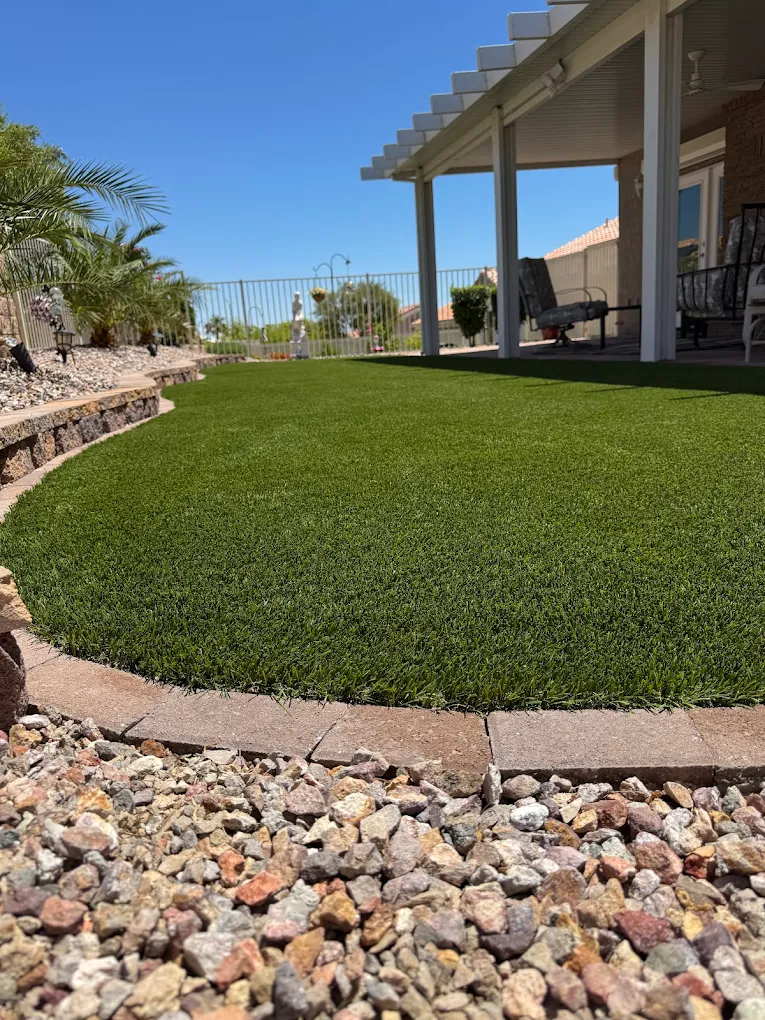
Henderson summer brings the most extreme conditions your artificial turf will face annually, with air temperatures from one hundred five to one hundred fifteen degrees and surface temperatures exceeding one hundred seventy degrees on unshaded turf. July through September represents peak challenge season, demanding vigilant heat management, consistent cooling routines, and strategic timing of all outdoor activities and maintenance work. Monsoon season arrives during this period, bringing brief intense thunderstorms that test drainage systems and deposit debris but provide welcome temperature relief and natural cleaning across Summerlin and Henderson installations.
Summer maintenance focuses almost exclusively on heat management and debris removal, with major projects deferred until fall temperatures return. Work must occur during narrow early morning or late evening windows when temperatures become tolerable for extended outdoor exposure. Most Henderson homeowners minimize turf maintenance to essential tasks during peak summer, accepting that deep cleaning and detailed work will resume during comfortable October and November weather. Families who establish consistent cooling and cleaning routines maintain excellent turf condition throughout summer despite extreme conditions.
July: Peak Heat Management
July delivers the most intense heat Henderson experiences annually, with multiple days exceeding one hundred ten degrees and overnight temperatures rarely dropping below eighty-five degrees. Turf surface temperatures regularly reach one hundred sixty to one hundred seventy degrees during afternoon hours, making cooling essential rather than optional for any family wanting usable outdoor space. Monsoon season begins during July, bringing dramatic thunderstorms with heavy rain, strong winds, and lightning that can dump half an inch of rain in thirty minutes then disappear as quickly as they arrived across Centennial Hills and Paradise.
Heat management becomes the dominant maintenance priority during July. Establish and maintain consistent cooling routines, timing water application to match your family outdoor usage patterns. Many Henderson homeowners cool turf twice daily during July peak heat, once in morning before children play outside and again in evening before adult relaxation time. Monitor weather forecasts for monsoon activity, as these storms provide natural cooling and cleaning but may deposit debris that requires prompt removal before it bakes onto hot turf surfaces.
- Cool turf at least once daily before peak usage times, using light water spray for 10 to 15 minutes to reduce surface temperature by 40 to 60 degrees
- Remove debris immediately after monsoon storms before materials bake onto hot surfaces and become difficult to remove
- Limit all non-essential maintenance work to hours before 7 AM or after 8 PM when temperatures drop below 95 degrees
- Check drainage after monsoon storms to ensure water flows properly and does not pool in low areas or against structures
- Provide shaded rest areas and water bowls for pets, as even cooled turf becomes uncomfortable for extended paw contact during peak heat
August: Monsoon Season Vigilance
August continues July intense heat while monsoon activity typically peaks, bringing the highest probability of dramatic thunderstorms throughout the month. Henderson receives most of its minimal annual rainfall during July and August monsoon season, with brief intense storms that test turf drainage systems and deposit surprising amounts of debris considering the short duration. Temperature patterns mirror July with consistent triple-digit heat, overnight lows in the eighties, and surface temperatures demanding ongoing cooling routines across Green Valley and Summerlin installations.
Monsoon storms create unique maintenance challenges by depositing leaves, twigs, trash, and sediment that natural rainfall would normally wash away in wetter climates. Our intense but brief storms often dump debris without providing sustained rain to rinse it away, requiring manual removal before materials bake onto hot turf surfaces. Flash flooding remains a serious concern during monsoon season, particularly in areas near desert washes or inadequate drainage infrastructure. Monitor weather forecasts and never allow children or pets outside during active thunderstorms despite the tempting temperature relief they provide.
- Inspect turf immediately after every monsoon storm, removing deposited debris before it dries and bonds to hot fiber surfaces
- Monitor local flash flood warnings and understand drainage patterns around your property to avoid water damage during intense rainfall
- Continue daily cooling routines as heat remains extreme despite occasional monsoon temperature relief and increased humidity
- Check perimeter drainage and property grading after major storms to ensure water flows away from structures and through turf base properly
- Clean pet waste immediately as monsoon humidity accelerates bacteria growth and odor development in contaminated areas
Flash floods during monsoon season can occur with little warning in Henderson. Never allow children or pets outside during active thunderstorms, and understand your property drainage patterns to prevent water damage to structures or turf base materials.
September: Late Summer Transition
September maintains summer heat during the first half of the month before temperatures begin moderating toward more comfortable fall conditions. Henderson typically sees daily highs above one hundred degrees through mid-September, then gradual cooling into the nineties by month end. Monsoon season officially continues through September but storm frequency and intensity typically decrease compared to July and August activity. This transitional month allows homeowners to begin planning fall maintenance projects while still maintaining summer cooling and heat management routines across Henderson and Paradise neighborhoods.
Use September to assess summer wear and identify any damage or issues that developed during months of extreme heat and heavy use. Inspect seams, edges, and high-traffic areas for separation, infill depletion, or fiber damage that may require professional repair. Schedule fall deep cleaning for October when temperatures make outdoor work comfortable again, but complete the inspection now while summer conditions remain fresh in your mind. Most Henderson turf owners find September the perfect planning month, bridging between summer survival mode and fall restoration projects.
- Continue heat management and cooling routines through mid-September as temperatures remain in triple digits during early fall
- Conduct thorough end-of-summer inspection, documenting any damage or wear that occurred during peak heat months for repair planning
- Schedule professional deep cleaning for October when comfortable temperatures return and service provider availability increases
- Begin reducing cooling frequency as temperatures moderate, transitioning from twice daily to once daily or as-needed application
Fall: October through December
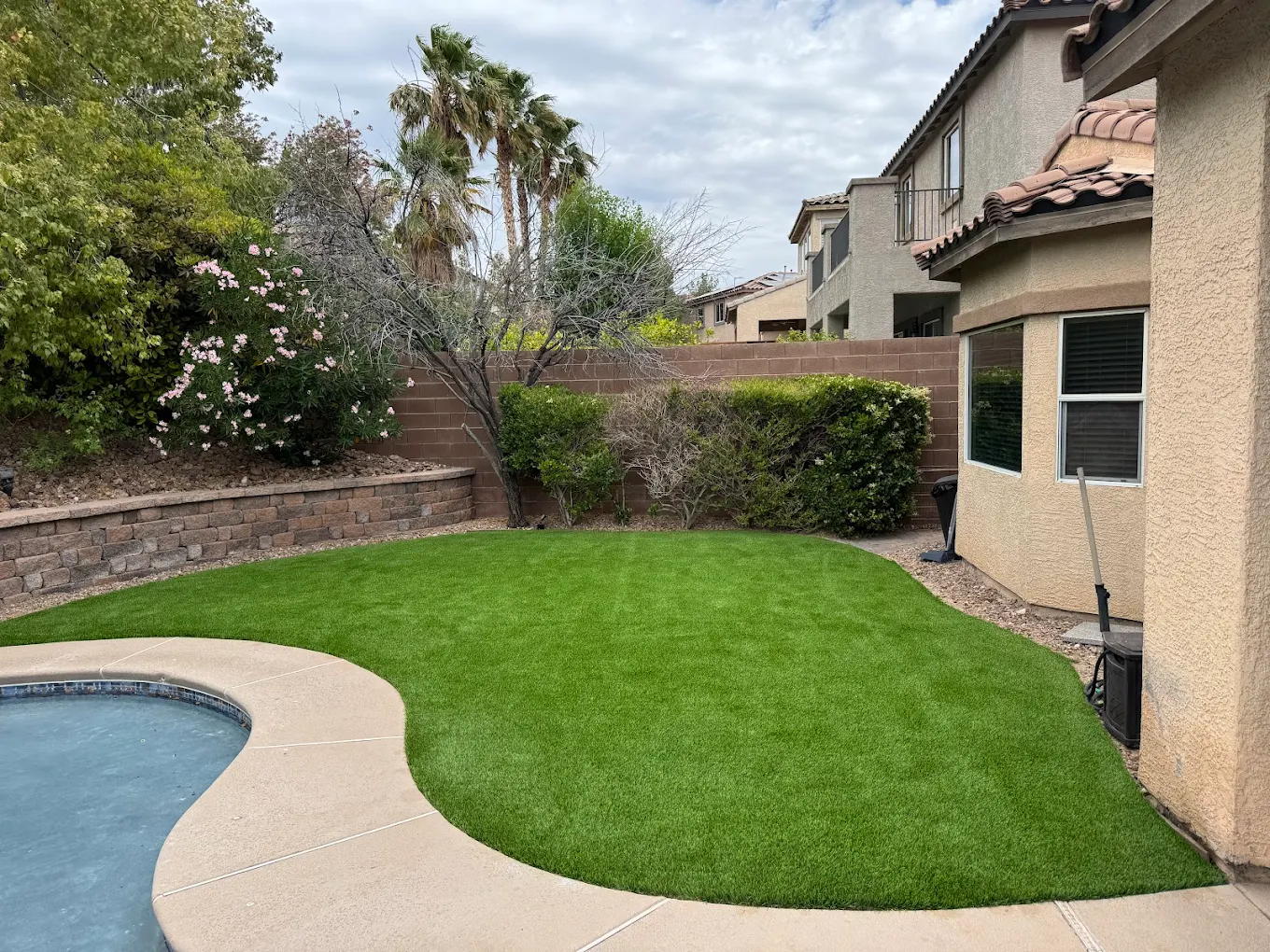
Henderson fall brings relief from summer extremes with temperatures dropping from nineties in October to comfortable sixties and seventies by December. Fall represents the second ideal maintenance season after spring, offering comfortable working conditions without winter chill or summer danger. Cooler temperatures allow extended outdoor time for detailed inspection, thorough cleaning, and completion of deferred maintenance projects that became impossible during July and August heat. Many Summerlin and Green Valley homeowners schedule annual deep cleaning during October or November when weather perfection makes outdoor work genuinely pleasant rather than merely tolerable.
Fall maintenance focuses on recovery from summer stress and preparation for the upcoming year. This season offers perfect conditions for major projects including infill replacement, seam repair, drainage improvements, or edge restoration that require extended outdoor working time. Reduced UV exposure and moderate temperatures create low-stress conditions for turf fibers to recover from summer degradation. Families increase outdoor living during fall months as comfortable weather returns, making turf appearance and functionality important for entertaining and recreation across Henderson area.
October: Fall Cleanup and Assessment
October delivers ideal weather for intensive turf maintenance with daytime temperatures in the seventies to eighties and comfortable overnight conditions. This month marks the end of summer heat stress and beginning of the most pleasant outdoor season Henderson offers. Schedule professional deep cleaning during October to remove summer dust, organic accumulation, and bacteria buildup while restoring blade position and infill distribution. Professional cleaning reveals the true condition of your turf after summer abuse, identifying any repairs needed before winter arrives and outdoor work becomes less appealing across Centennial Hills and Paradise installations.
Use October for detailed assessment of summer damage and wear patterns. Inspect high-traffic areas, pet zones, and edges for compaction, fiber damage, or infill depletion that may require attention. Many Henderson homeowners discover issues during fall inspection that went unnoticed during summer when everyone avoided extended outdoor time during peak heat. Addressing problems now prevents minor issues from becoming major failures during the coming year of use and environmental stress.
- Schedule professional deep cleaning to remove summer dust, debris, and bacteria accumulation while weather remains comfortable
- Conduct comprehensive post-summer inspection, checking every turf section for damage, wear, or drainage issues that developed during extreme heat
- Power brush entire surface to redistribute infill and restore blade position after months of compaction from summer use
- Apply fall fertilizer to surrounding desert landscaping, avoiding overspray onto turf that could promote weed growth in seams
- Remove and store any summer cooling accessories or outdoor furniture that will not be used during cooler months
November: Annual Deep Clean Month
November offers the absolute best weather Henderson experiences annually, with daytime temperatures in the sixties to seventies and crystal-clear skies. This perfect weather makes November ideal for annual deep cleaning if you missed October scheduling, or for DIY maintenance projects that require extended comfortable outdoor time. Many Henderson and Green Valley homeowners choose November for the most thorough cleaning of the year, combining professional service with personal detail work to restore turf to like-new condition before holiday season entertaining and winter rest period.
Focus November maintenance on thorough cleaning, complete inspection, and preparation for the holiday season ahead. Remove every trace of summer dust and debris, sanitize pet areas completely, and ensure drainage systems function perfectly before winter rains arrive. This month offers your best opportunity to address any cosmetic concerns like matted areas, faded sections, or edge problems before hosting holiday gatherings. Most Henderson families increase outdoor entertaining during comfortable November weather, making pristine turf appearance a priority for backyard celebrations and events.
- Complete the most thorough cleaning of the year, removing all dust, debris, organic matter, and bacteria from every turf section
- Sanitize pet areas with enzyme cleaners designed for artificial turf, eliminating any lingering odors before holiday gatherings
- Inspect and repair any cosmetic issues like matted fibers, fading, or edge problems before holiday season entertaining begins
- Test outdoor lighting systems that illuminate turf areas for evening gatherings, replacing bulbs and checking timer functions
- Trim back any desert plants or trees around turf perimeter to prevent winter leaf drop and debris accumulation
December: Year-End Preparation
December brings cooler temperatures into the fifties and sixties with occasional overnight lows in the forties across northwest Henderson areas. Holiday activities dominate December attention, but turf maintenance should not disappear completely despite reduced outdoor living time. Focus on light debris removal, holiday decoration planning that avoids turf damage, and preparation for the January inspection and maintenance cycle. Many Summerlin families increase turf use during December for holiday gatherings and outdoor celebrations, making basic cleanliness important despite winter weather.
Plan holiday decorations carefully to minimize turf damage from stakes, anchors, heavy inflatables, or temporary structures. Use weighted bases rather than ground stakes whenever possible, and protect turf under heavy items with plywood or composite boards that distribute weight evenly. Remove decorations promptly after holidays to prevent prolonged compression that creates permanent matting or fiber damage. December represents the end of your annual maintenance cycle, making it perfect for reviewing what worked well and what needs improvement for the coming year.
- Install holiday decorations using weighted bases or edge anchors rather than stakes that penetrate turf and potentially damage base layers
- Protect turf under heavy decorations, inflatables, or temporary structures with weight-distributing boards to prevent compression damage
- Maintain weekly debris removal despite reduced outdoor time, as winter winds deposit leaves and materials from surrounding landscapes
- Review annual maintenance records and identify improvements needed for next year maintenance schedule and budget planning
Staying on Schedule Year-Round
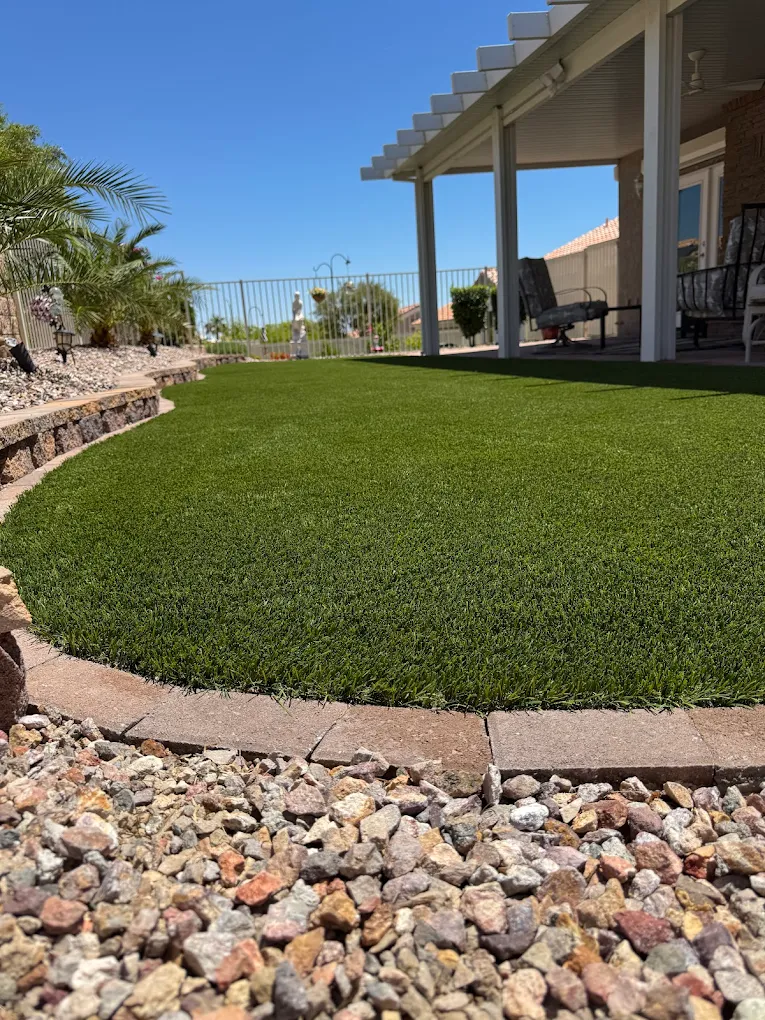
Consistent maintenance following this month-by-month calendar maximizes your artificial turf investment while minimizing time and financial commitments. Henderson unique desert climate demands seasonal adjustment to maintenance approaches, with winter and fall offering ideal conditions for intensive work while summer requires strategic timing and heat management focus. Homeowners who establish routines matching seasonal demands maintain excellent turf appearance and functionality year-round despite extreme temperature swings, minimal rainfall, intense UV exposure, and occasional monsoon challenges across Paradise, Summerlin, Henderson, and Green Valley installations.
The most successful Henderson turf owners develop habits rather than relying on motivation for seasonal maintenance tasks. Schedule recurring reminders for monthly activities, establish weekly debris removal as an automatic weekend routine, and commit to quarterly professional cleaning regardless of whether turf looks dirty. Preventive maintenance always costs less than reactive repairs, and consistent care extends turf lifespan from typical fifteen years to twenty years or more. Your artificial turf represents a substantial investment deserving protection through proper seasonal care matched to our unique desert environment and extreme climate conditions.