How Extreme Heat Degrades Turf Fibers
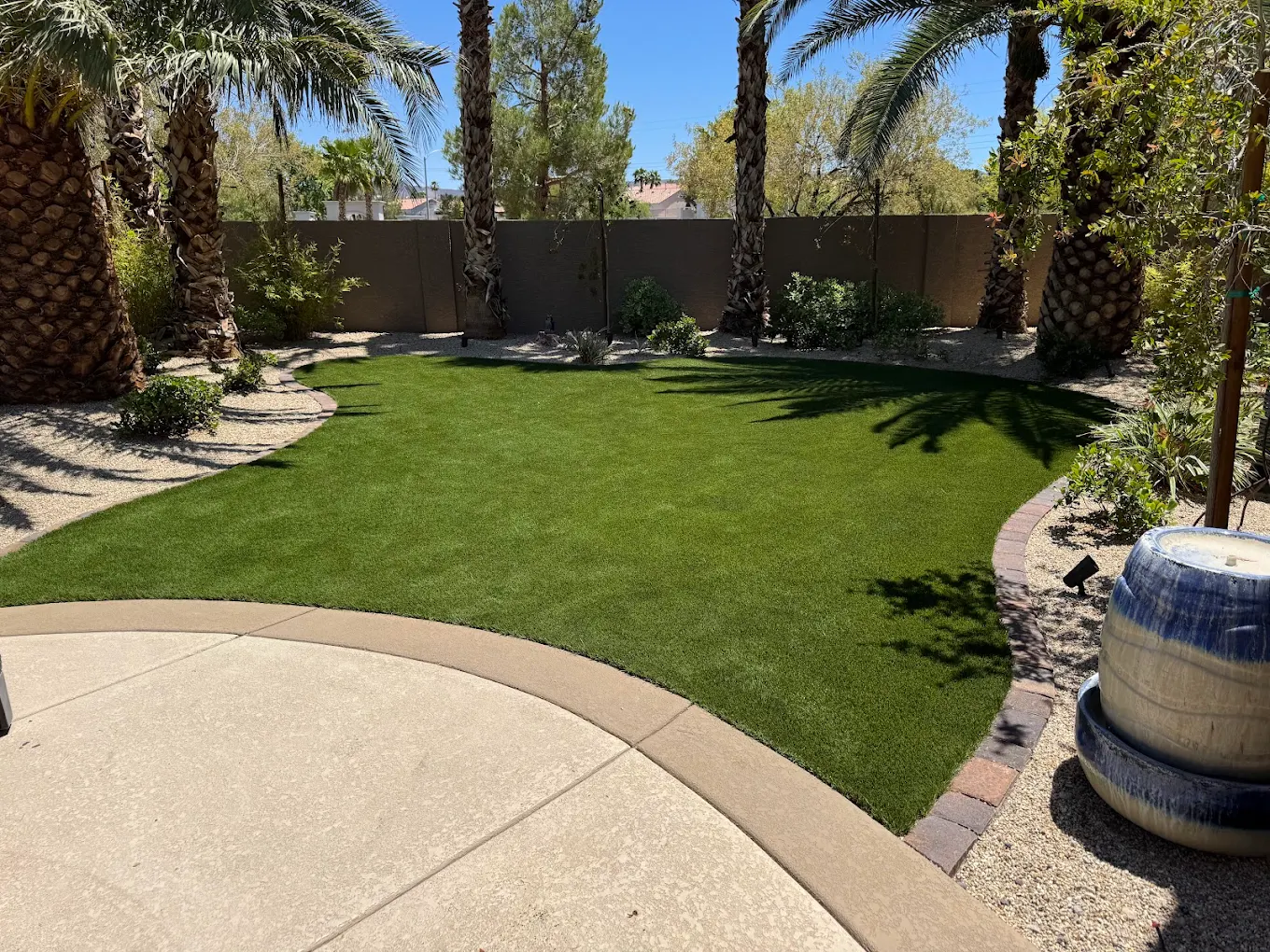
Artificial turf fibers are made from polyethylene or polypropylene polymers built to handle outdoor conditions. But when surface temps blow past 150 degrees, you get molecular breakdown that no manufacturing process can stop completely. Henderson summers routinely cook turf surfaces to 160 or 170 degrees when the air hits 110 to 115, creating thermal stress that piles up season after season.
At the molecular level, extreme heat breaks down polymer chains through oxidation and UV radiation damage. This shows up as brittle fibers, faded colors, and reduced strength over time. Summerlin and Henderson installations age faster than the exact same products in coastal climates because our brutal UV index and sustained high temps create a perfect storm for accelerated wear.
Visible signs of heat damage include fading from vibrant green to pale yellowish-green, fibers that feel stiff or crunchy instead of soft, and increased shedding where broken pieces pile up along edges. Paradise homeowners notice matting gets harder to reverse as fibers lose their memory and bounce-back ability. These changes creep up gradually over years, making them easy to miss until the damage is severe and irreversible.
UV Damage Timeline: What to Expect
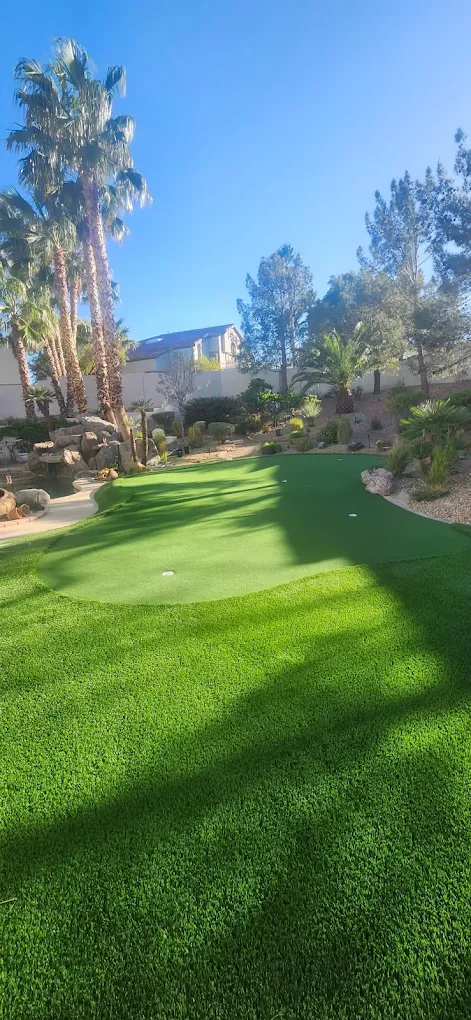
Understanding the realistic UV degradation timeline helps Henderson homeowners set proper expectations and budget for eventual replacement. Premium turf products with high-quality UV stabilizers and fade-resistant pigments perform way better than cheap options, making the upfront investment worthwhile in our extreme climate. The timeline below assumes quality mid-grade turf with standard UV protection and reasonable shade coverage.
Green Valley and Mountains Edge residents should document their turf with photos at installation and every year after. This photo record reveals gradual fading and degradation that is tough to notice from daily observation. Comparing year-five photos to installation photos often surprises homeowners with the dramatic difference they had not consciously recognized through small daily changes.
- Year 1-2: Turf maintains vibrant color and soft texture with minimal visible degradation. Some minor fading may show up in areas with full sun all day.
- Year 3-5: Noticeable color fading in high-sun areas, slight texture changes as fibers start losing flexibility. Shaded sections still look nearly new.
- Year 5-8: Major fading creates two-tone appearance between sun-exposed and shaded areas. Fibers feel noticeably stiffer, matting becomes harder to reverse.
- Year 8-15: Serious degradation with pale color, brittle texture, increased shedding, and visible thinning in high-traffic areas. Replacement becomes cost-effective versus ongoing repairs.
Turf Surface Temperatures in Henderson
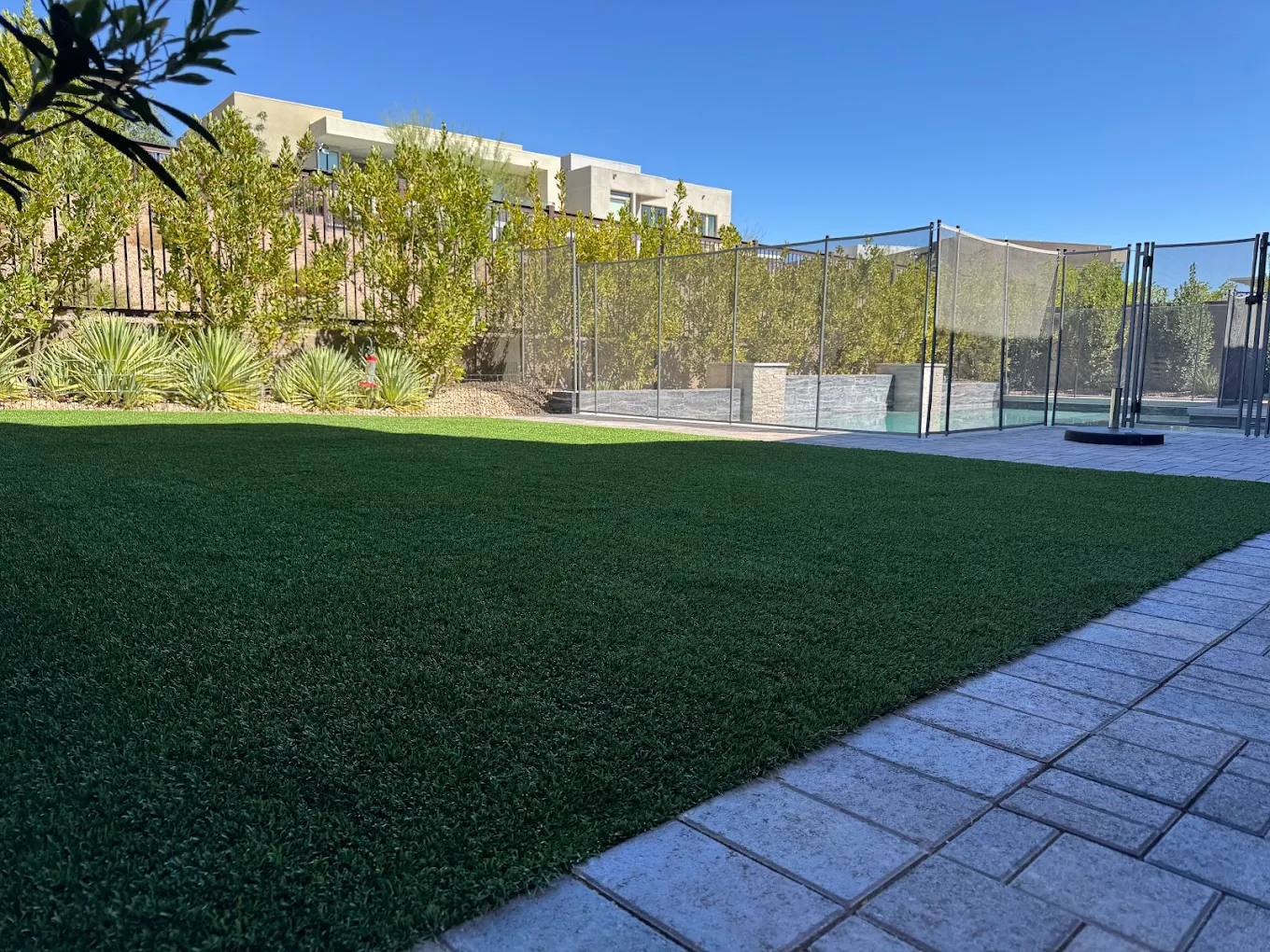
Surface temperature readings on Henderson artificial turf consistently show numbers 40 to 60 degrees higher than air temperature on summer afternoons. When thermometers read 105 degrees in the shade, turf surfaces in direct sun hit 145 to 165 degrees. On extreme days hitting 115 degrees ambient, surface readings blow past 170 degrees, hot enough to cause second-degree burns within seconds of bare skin contact.
Centennial Hills and Spring Valley homeowners with children and pets must treat summer turf as genuinely dangerous from noon to 6 PM during June through August. These surface temperatures are not marketing hype or worst-case scenarios but rather typical afternoon conditions measured repeatedly across valley installations. Dark green turf absorbs more heat than lighter colors, while turf in reflected heat zones near light-colored walls or pool decking reaches even higher temperatures.
Surface temperatures above 140F can cause burns in under 5 seconds. Children and pets have suffered serious injuries on overheated turf. Always test surface temperature with your hand before allowing use during summer afternoons.
Want Us to Handle It Instead?
Get a free quote for your Henderson property. Same-day appointments available.
Proven Cooling Strategies
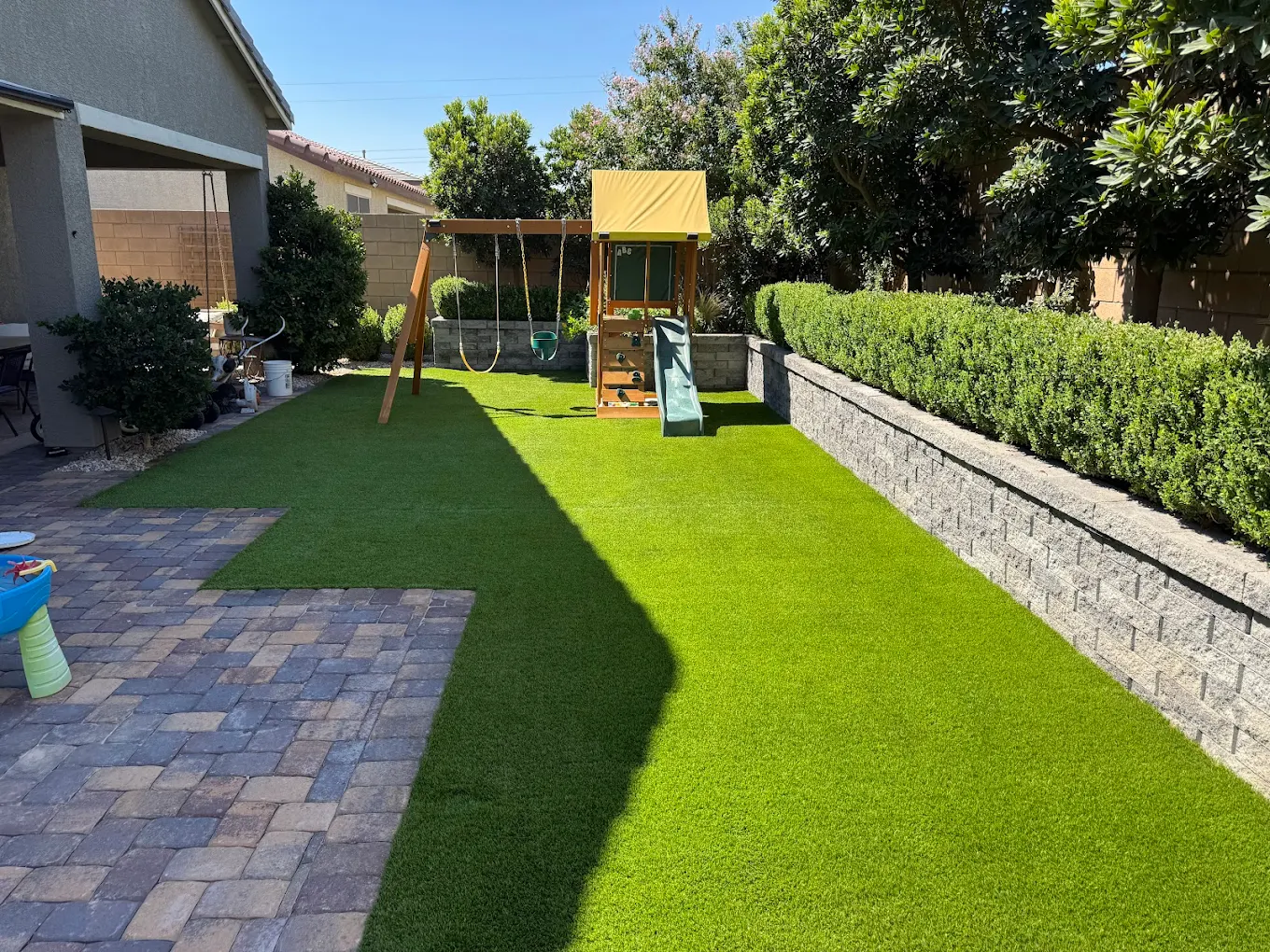
Nothing eliminates turf heating in our desert climate, but several strategies cut surface temps by 20 to 40 degrees. The most effective approach combines multiple techniques rather than relying on any single fix. Henderson homeowners using shade structures plus pre-use rinsing achieve surface temps around 110 to 120 degrees on 105-degree days, making turf safely usable during summer afternoons.
Cooling strategies need planning and consistent follow-through rather than big expense. Simple techniques like smart landscape positioning and pre-use rinsing cost nothing beyond water and effort. More substantial investments in pergolas or shade sails deliver permanent temperature reduction plus aesthetic and property value benefits beyond just turf cooling.
- Misting or rinsing turf 5 to 10 minutes before use drops surface temperature 20 to 30 degrees temporarily, making it safe for barefoot contact
- Shade structures like pergolas, ramadas, or shade sails block direct sun and cut surface temps 15 to 25 degrees continuously
- Light-colored or heat-reflective infill materials run 10 to 15 degrees cooler than standard dark rubber infill
- Rinsing turf during peak afternoon heat provides temporary relief and washes away dust that increases heat absorption
- Strategic landscaping with trees or tall shrubs providing afternoon shade reduces direct sun during hottest hours
- Reflective or light-colored hardscaping borders around turf edges reduce radiant heat transfer from adjacent concrete or pavers
Best Turf Types for Desert Climates
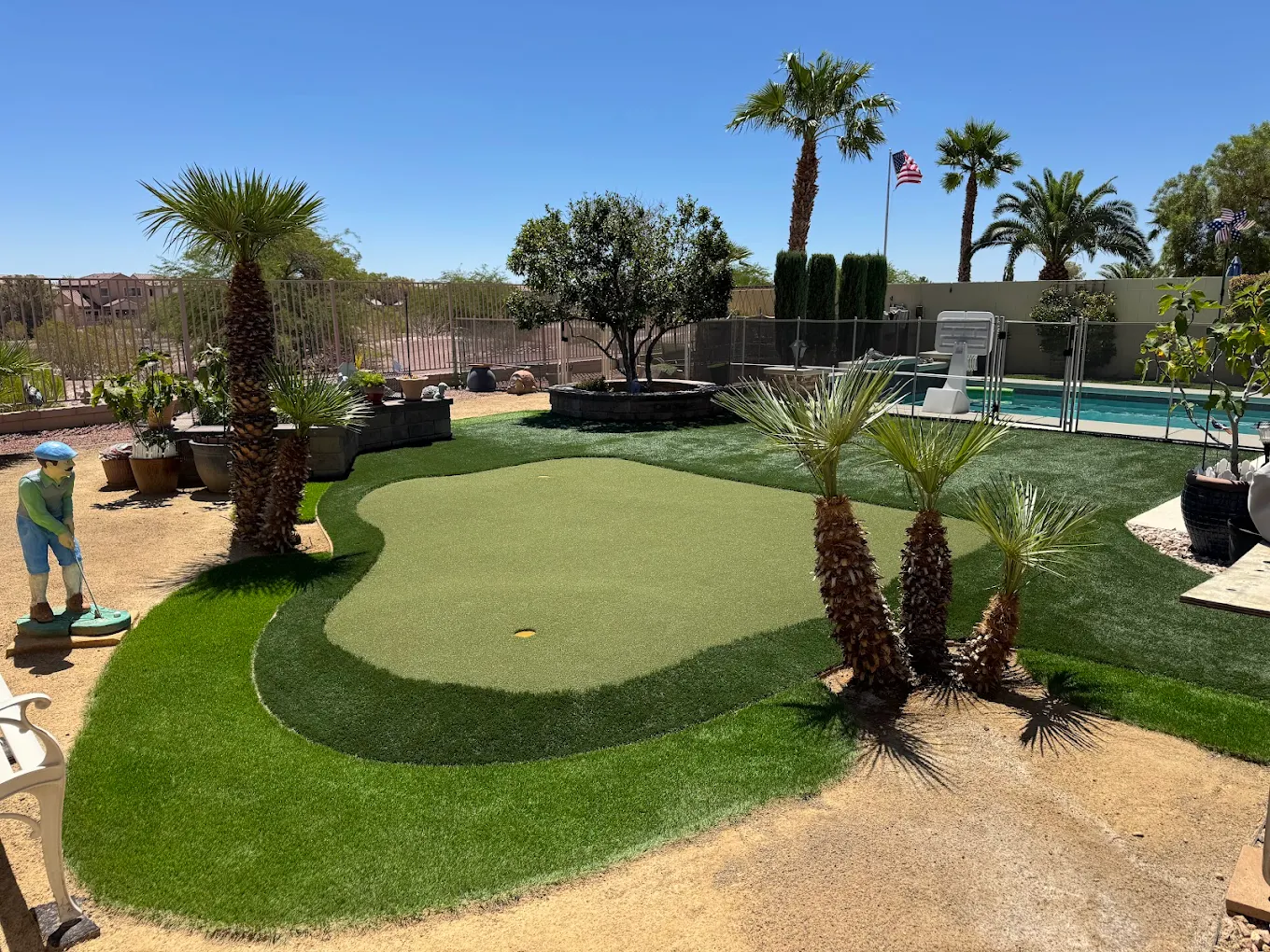
Not all artificial turf performs equally in Henderson heat. Premium polyethylene turf with advanced UV stabilizers and heat-reflective yarn tech costs 20 to 40 percent more than cheap products but lasts 5 to 8 years longer in our climate. Summerlin and Paradise homeowners replacing failed cheap turf after 8 years discover that paying more upfront for quality actually costs less over the long term.
Turf engineered specifically for desert climates uses lighter color pigments, advanced UV inhibitors throughout the yarn rather than just surface coating, and heat-resistant backing materials. These features are not marketing tricks but genuine performance differences visible in longevity testing. When shopping for turf replacement or new install, prioritize desert-rated products from manufacturers with proven Henderson track records.
- Polyethylene turf with titanium dioxide UV stabilizers rated for 90,000+ UV exposure hours and desert climate use
- Dual-layer yarn construction with UV inhibitors throughout the fiber, not just surface treatment that wears away
- Lighter green shades like olive or sage that absorb less heat than deep emerald colors while maintaining natural appearance
- Heat-resistant polyurethane backing that withstands thermal expansion and contraction without cracking or separating
Infill That Resists Heat
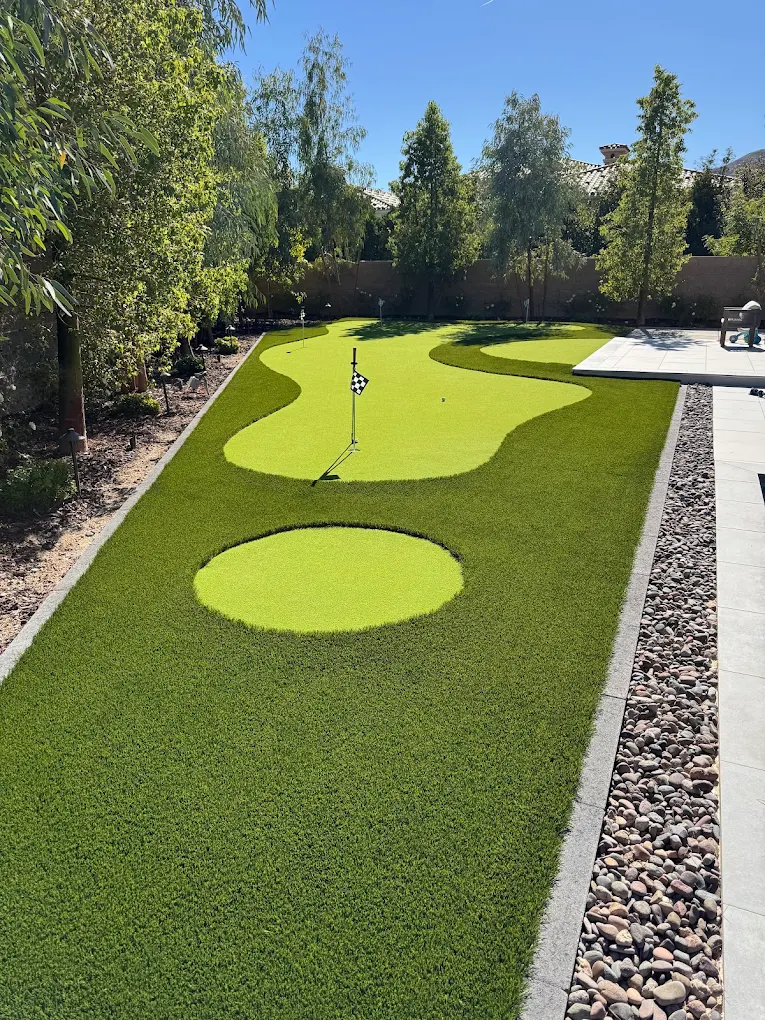
Infill material choice dramatically impacts surface temperature and turf longevity in desert climates. Traditional black rubber infill absorbs massive heat, often running 20 to 30 degrees hotter than alternative materials. Green Valley homeowners replacing standard rubber infill with coated sand or specialty cooling products report noticeable temperature reduction and improved comfort during summer months.
Premium cooling infill costs more upfront, but the temperature reduction and extended turf life justify the investment for installations getting heavy summer use. Mountains Edge families with children and pets prioritize walk-on comfort and safety over initial cost savings. Infill replacement every 5 to 7 years maintains optimal performance and provides opportunity to upgrade to better cooling materials as tech improves.
- Acrylic-coated sand runs 15 to 20 degrees cooler than rubber, provides excellent drainage, and costs moderately more than standard options
- Zeolite infill absorbs heat and odors well, stays 10 to 15 degrees cooler than rubber, ideal for pet areas
- Cork infill offers natural cooling properties and environmental benefits but needs more frequent replenishment in high-traffic areas
- Avoid black rubber crumb infill entirely in Henderson as it creates hottest surface temps and breaks down rapidly under UV exposure
Summer Maintenance Adjustments
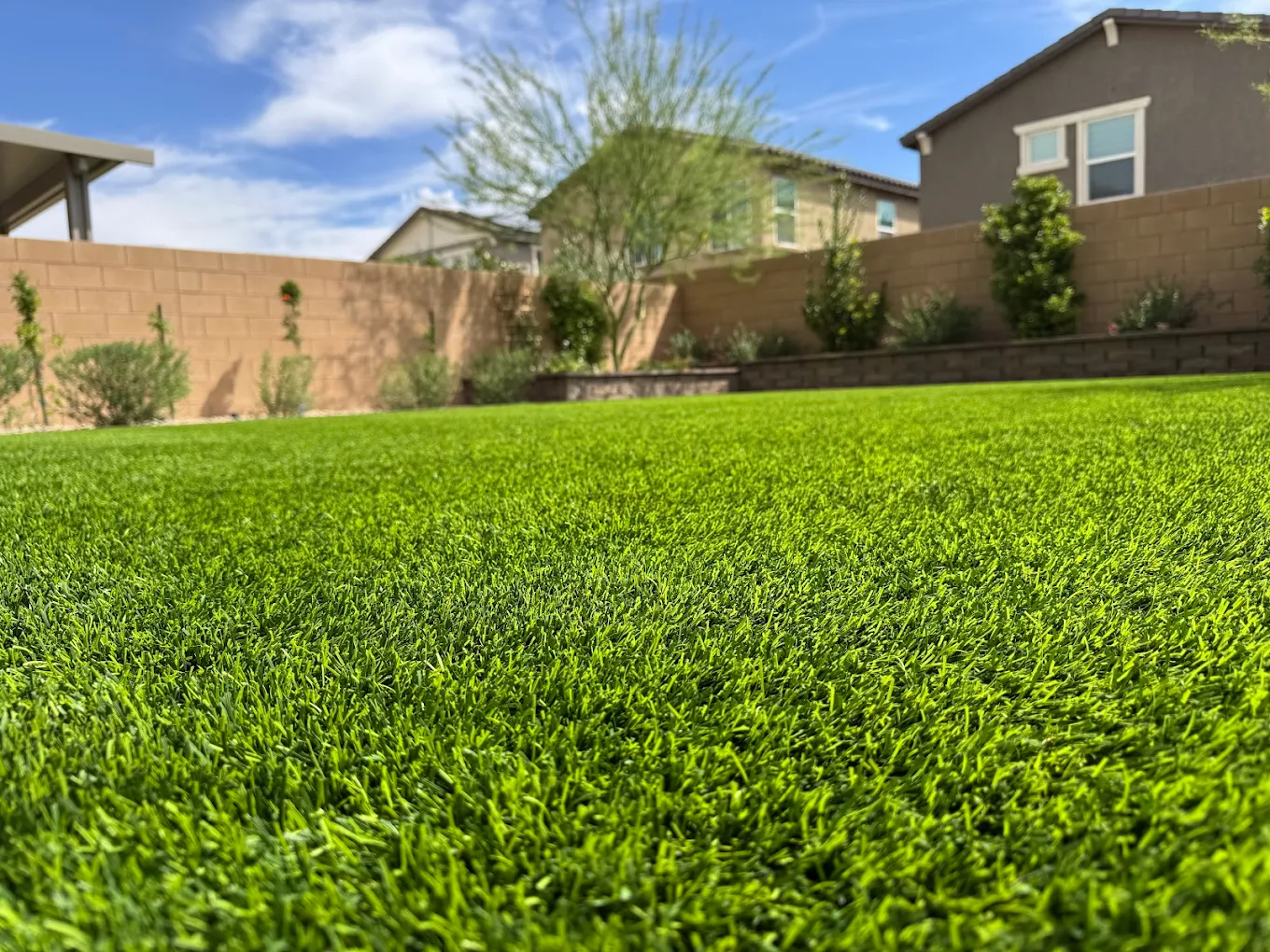
Henderson turf needs different maintenance intensity across seasons, with summer demanding increased attention to combat heat stress and accelerated degradation. Centennial Hills homeowners discover that maintenance routines perfect for spring and fall prove inadequate during brutal June through August heat. Increasing rinse frequency and adding cooling measures prevents cumulative damage that shortens turf lifespan significantly.
Summer maintenance focuses on temperature management, dust control, and preventing heat-accelerated bacterial growth. Our 4.2 inches annual rainfall means summer dust buildup creates coating that absorbs more heat and looks dingy. Weekly rinsing removes this heat-absorbing layer while providing temporary cooling and preventing buildup that requires professional help to remove later.
- Increase rinsing frequency to 2 to 3 times weekly to remove dust and provide cooling
- Rinse turf in early morning to reduce afternoon surface temps by starting the day cooler
- Avoid walking on turf during peak heat hours, noon to 6 PM, to prevent burn injuries and fiber damage from compressed hot fibers
- Increase brushing frequency to weekly as heat makes matting occur faster and become harder to reverse
- Monitor and immediately address drainage issues as summer monsoon rains can create standing water problems
Protecting High-Traffic Areas
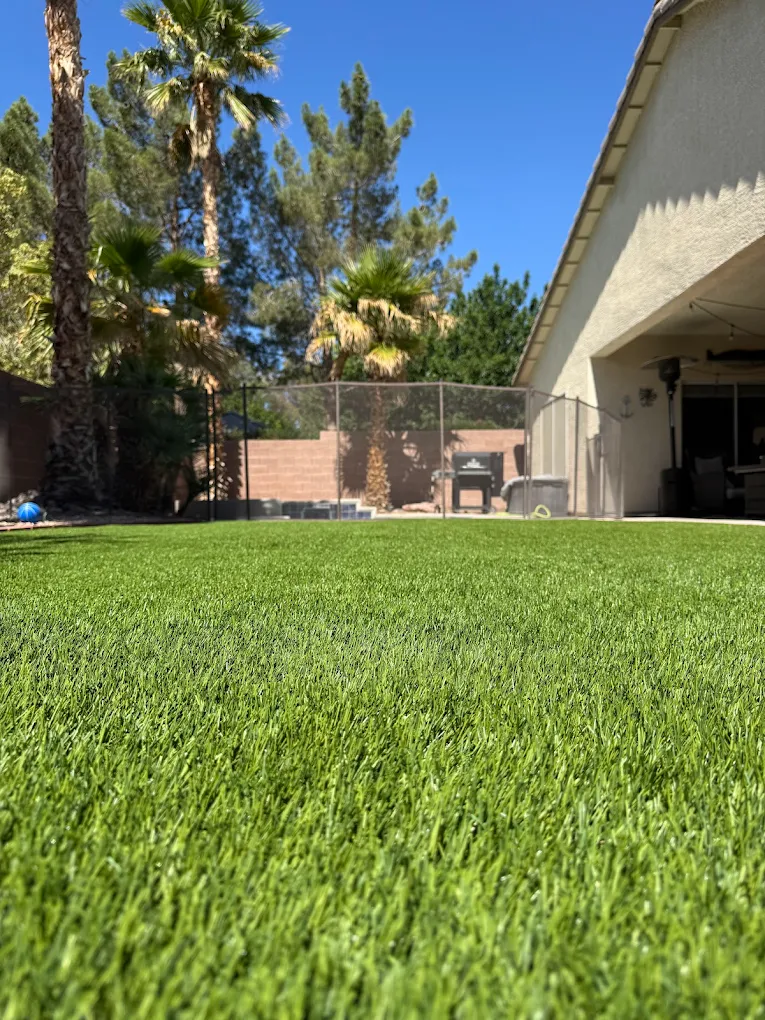
Pathways, play areas, and pet zones take a double hit from traffic wear plus heat degradation. Spring Valley homeowners notice these areas show damage years before surrounding turf, with visible thinning, permanent matting, and accelerated fading. Strategic protection measures extend the life of these vulnerable zones and delay the point where patching or full replacement becomes necessary.
High-traffic areas benefit from shade prioritization when installing pergolas or shade sails. Even partial shade during peak afternoon hours cuts thermal stress on already-stressed fibers. Henderson residents with defined pathways across turf find that stepping stone installation or decorative pavers reduce concentrated wear while adding visual interest and reducing overall turf surface area needing maintenance.
Living with Turf in the Desert
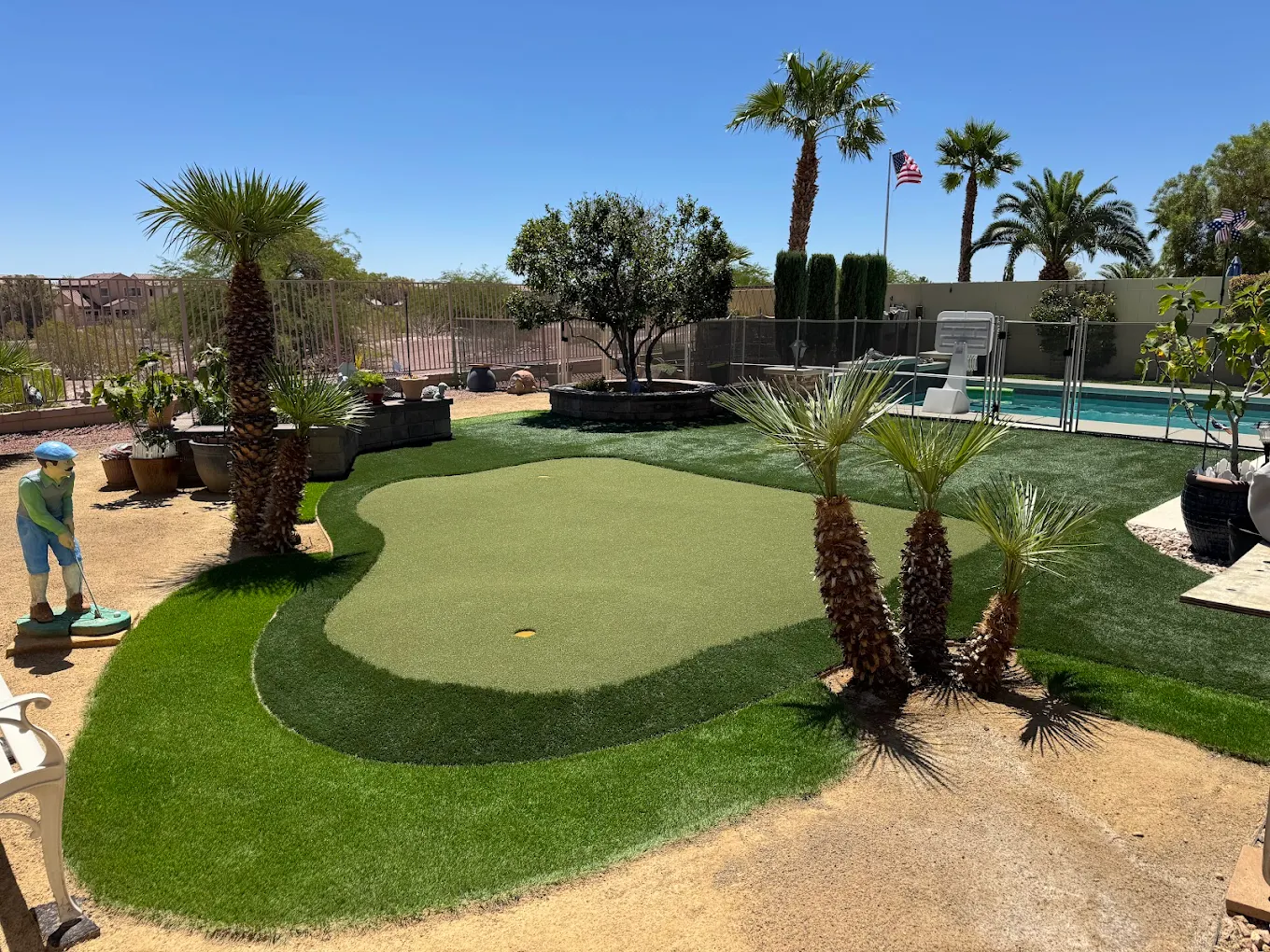
Henderson heat inevitably degrades artificial turf faster than moderate climates, but understanding these dynamics helps homeowners maximize their investment lifespan. Realistic expectations recognize that turf will fade and stiffen over time regardless of maintenance quality. The goal is not preventing degradation entirely but rather slowing it through smart product selection, strategic shade, cooling practices, and adjusted maintenance routines.
Quality turf with proper care delivers 15 to 20 years of serviceable life even in our punishing climate. The SNWA rebate of up to $3 per square foot effectively subsidizes premium product selection and professional maintenance that extends turf longevity. Mountains Edge and Summerlin homeowners who invested in desert-rated turf, installed shade structures, and maintained consistent cooling and cleaning routines enjoy beautiful, functional landscapes for decades while neighbors cutting corners face replacement after 8 to 10 years.