Why Artificial Turf Seams Separate in Henderson
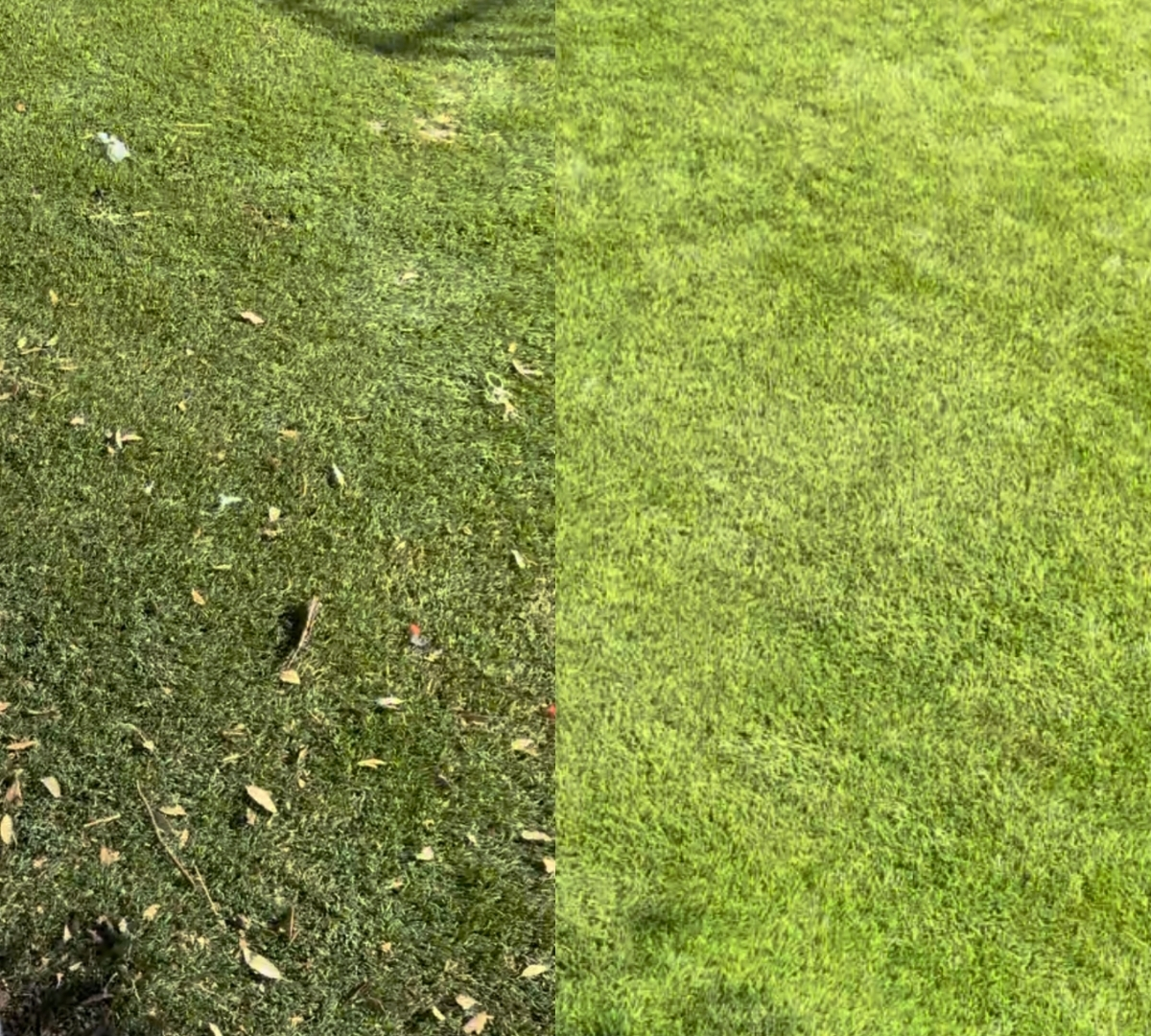
Seam separation ranks as one of the most common turf headaches in the Henderson valley, and our desert climate deserves a lot of the blame. Those extreme temperature swings between day and night force the turf backing to expand and contract over and over, stressing adhesive bonds and seam tape connections. On a typical summer day, your turf surface might hit 170 degrees by mid-afternoon and cool down to 80 by midnight. That daily thermal cycle slowly weakens seam integrity over months and years.
Shoddy original installation is the other big culprit behind seam failures across Summerlin, Henderson, and the broader valley. Seams glued with too little adhesive, joined without proper seam tape, or misaligned during installation are weak from day one and will eventually pull apart under normal use. The frustrating part? Many Henderson homeowners do not discover these installation shortcuts until seams start opening years later, long after the original installer has moved on or closed up shop.
Heavy foot traffic along seam lines speeds up separation, and dragging furniture or heavy items across seams does not help either. Desert wind catches any lifted seam edge and peels it back further, and the caliche-heavy subsoil common in Henderson neighborhoods creates a rigid base that transmits more stress to seam connections than softer ground would.
Identifying Seam Problems Early
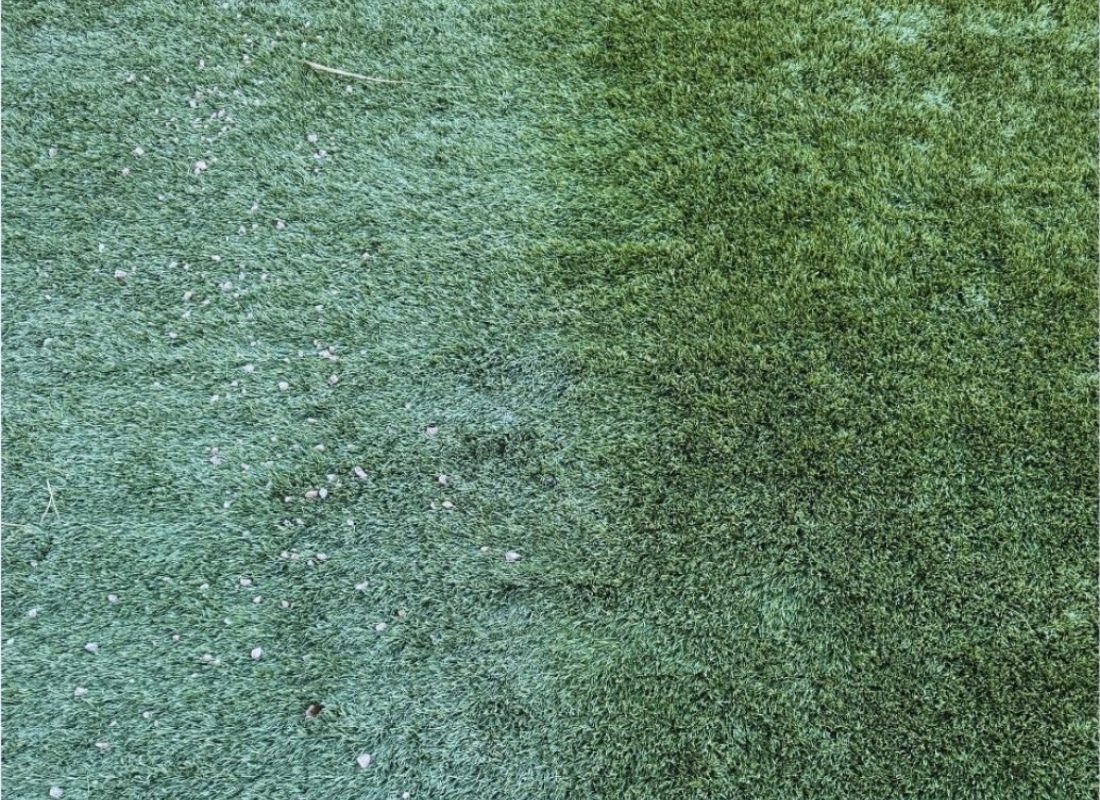
Catching seam problems early makes a huge difference in repair success. Walk your turf once a month and look for visible gaps between panels, raised edges where panels are starting to lift, and changes in fiber direction that suggest panels are shifting. Run your hand along seam locations and feel for ridges, gaps, or soft spots that tell you the adhesive is giving out underneath.
Around Henderson, seams on the south and west sides of your installation usually go first because they catch the most intense sun. Seams running perpendicular to prevailing winds are also more at risk since wind can grab and lift any small opening. If you are in Spring Valley, Paradise, or another area with regular afternoon breezes, keep an extra close eye on seam integrity on the wind-exposed sides of your turf.
DIY Seam Repair: Methods and Materials
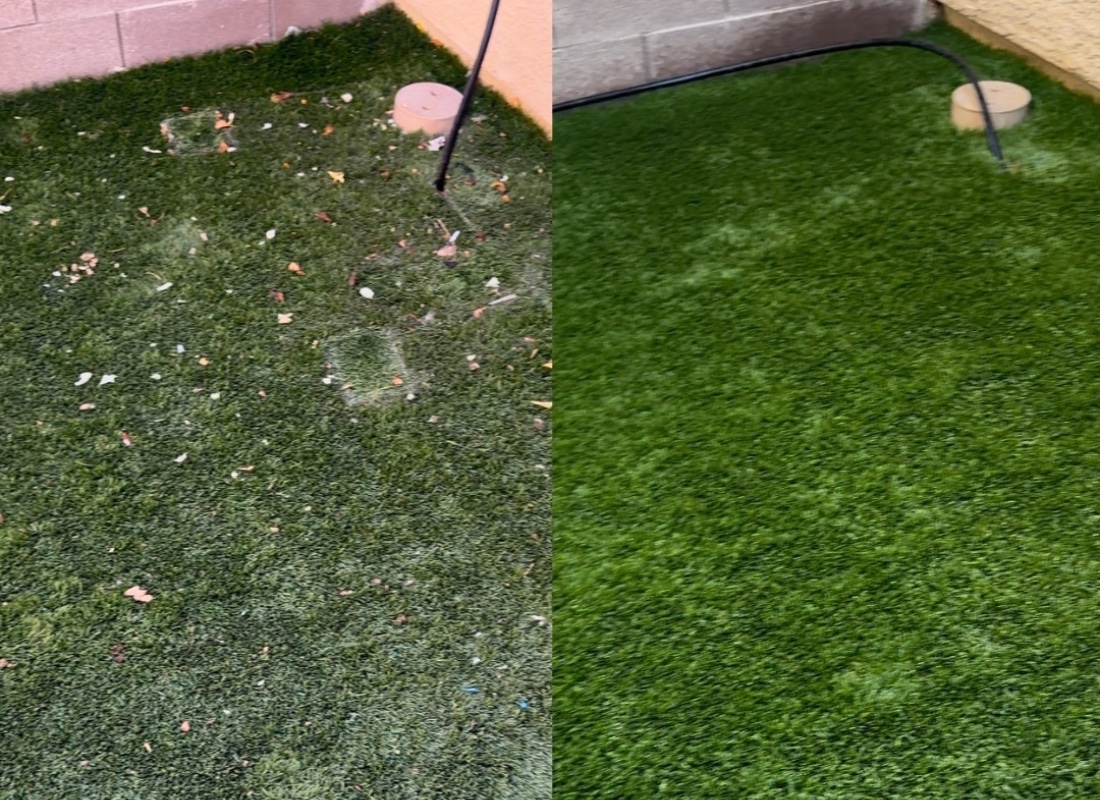
For small separations under a few feet, a DIY fix can work well if you have got patience and the right supplies. You will need seam tape made specifically for artificial turf, turf adhesive or seaming glue, a notched trowel for spreading adhesive, and weights or heavy objects to hold things together while the glue cures. You can grab all of this at landscape supply stores around Henderson or order online.
Pull back the edges of the separated seam to get at the base material. Clean both edges and the base area thoroughly, removing dust, debris, and old adhesive buildup. Center a strip of seam tape along the base under the seam line and spread adhesive onto the tape with a notched trowel. Press both turf edges carefully onto the adhesive-coated tape, making sure fibers meet closely without overlapping. Set weights along the entire repair and let the adhesive cure for at least 24 hours before anyone walks on it.
- Turf-specific seam tape, 6 to 12 inches wide
- Quality turf seaming adhesive rated for extreme heat conditions
- Notched trowel for smooth, even adhesive spreading
- Heavy objects or weights to compress the seam while curing
- Sharp utility knife for edge trimming if necessary
- Measuring tape and chalk line to keep your alignment straight
Plan your DIY seam repair for a morning when temps will stay between 50 and 85 degrees for the next 24 hours. Too hot and the adhesive sets before you can position everything. Too cold and it will not cure properly.
Want Us to Handle It Instead?
Get a free quote for your Henderson property. Same-day appointments available.
Professional Seam Repair: When and Why
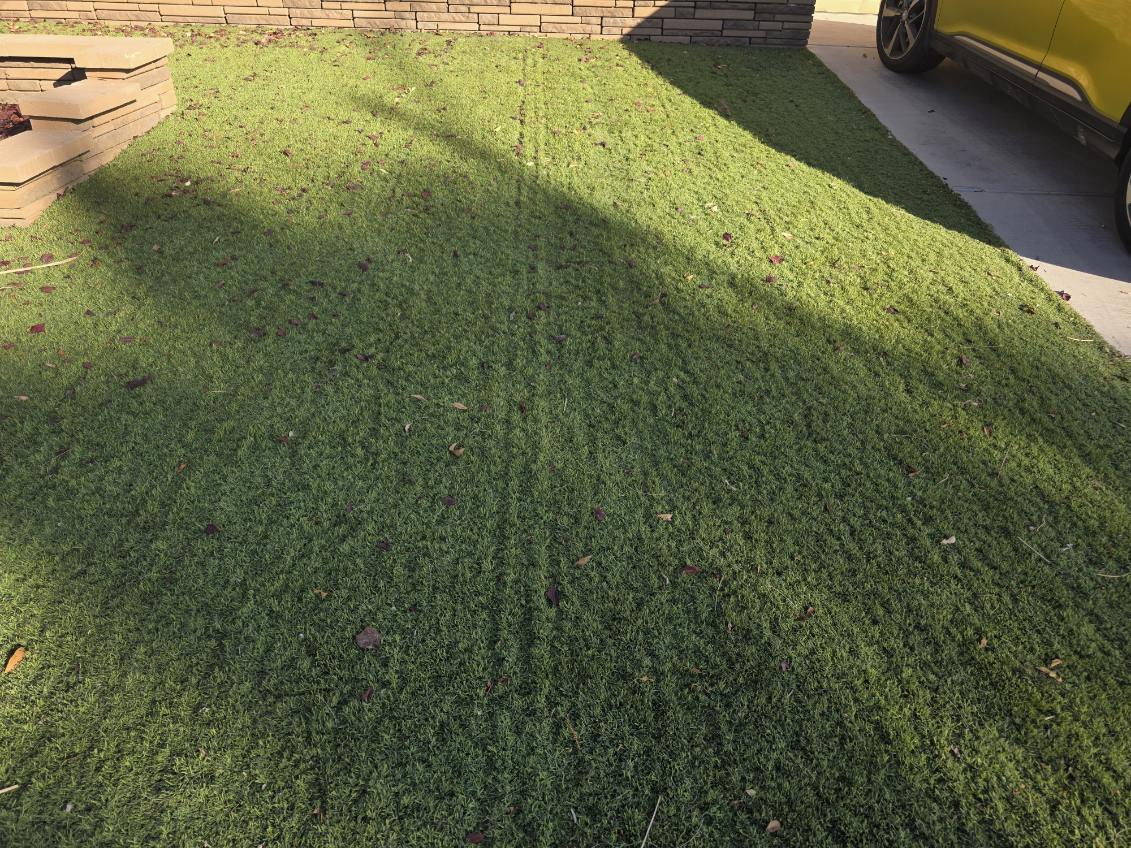
Professional repair makes more sense for separations longer than three to four feet, seams that keep failing after DIY attempts, or cases where the turf edges got damaged or stretched during separation. Pro installers around Henderson use commercial-grade adhesives and techniques that produce stronger, longer-lasting bonds than anything you will find at the hardware store. They also know how to spot and fix underlying problems like bad sub-base prep or poor drainage that might be causing the seam stress in the first place.
Professional seam repair in Henderson typically runs $150 to $500 depending on length and complexity. That is more than the $30 to $80 in DIY materials, sure, but the professional result usually lasts way longer and comes with a workmanship guarantee. For homeowners in Green Valley, Centennial Hills, and around the valley who want a repair that holds without the guesswork of DIY, professional service delivers peace of mind and a cleaner-looking result.
Comparing DIY and Professional Results
The biggest gap between DIY and professional seam repair comes down to visibility. Pros can pull off nearly invisible repairs because they have got specialized alignment tools, commercial adhesives with longer working times for precise positioning, and the experience to blend fiber directions at the seam line. DIY repairs, even good ones, usually leave a slightly visible line where fibers do not quite match or adhesive has squeezed up between the edges.
Durability is the other major difference. Professional repairs with commercial-grade materials and proper technique regularly hold up five to ten years in Henderson conditions. DIY fixes with consumer products typically last one to three years before they start reopening, especially on seams that get heavy foot traffic or deal with extreme thermal cycling. Planning to sell your home in Henderson or North Henderson anytime soon? A professional repair makes a much better impression during showings.
Preventing Future Seam Failures
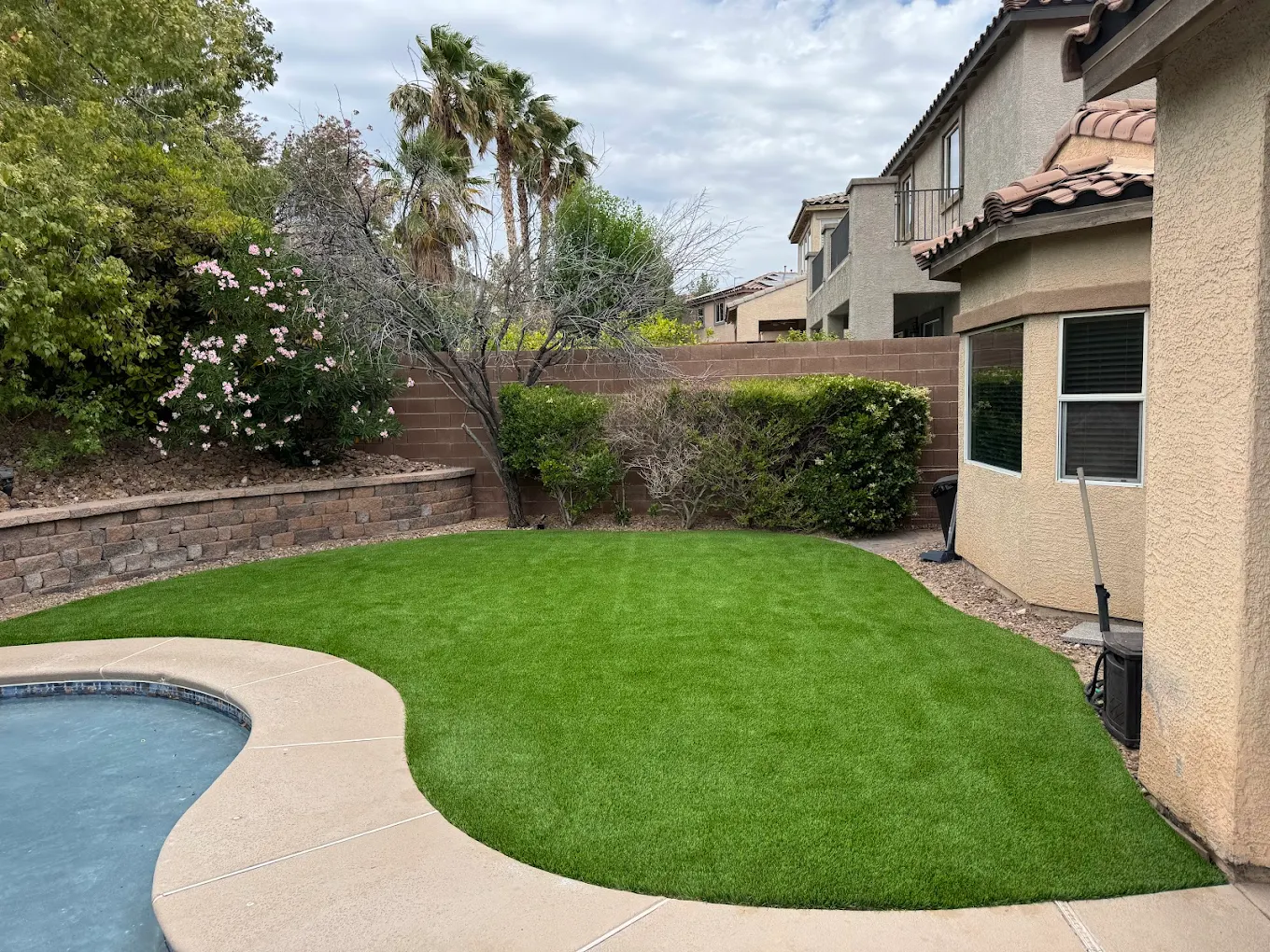
Whether you fixed seams yourself or brought in a pro, prevention beats repair every time. Keep heavy foot traffic off known seam lines by setting up furniture and activity areas so walking paths cross seams at angles instead of running along them. Do not drag heavy stuff across seams, and be careful with anything that creates focused stress like jumping or heavy exercise equipment right on top of seam locations.
Regular inspections catch small separations before they turn into big headaches. Check your seams every quarter, giving extra attention after heat waves, monsoon storms, and heavy-use events. If you spot a seam starting to lift in your Boulder City or Enterprise yard, jumping on it right away with a small spot repair is way easier and cheaper than waiting until the gap stretches across your entire lawn.